Higher interest for higher duration debt
TL;DR
Borrowing money for a longer duration with less flexibility carries higher interest rates due to increased risk for the lender.
Transcript
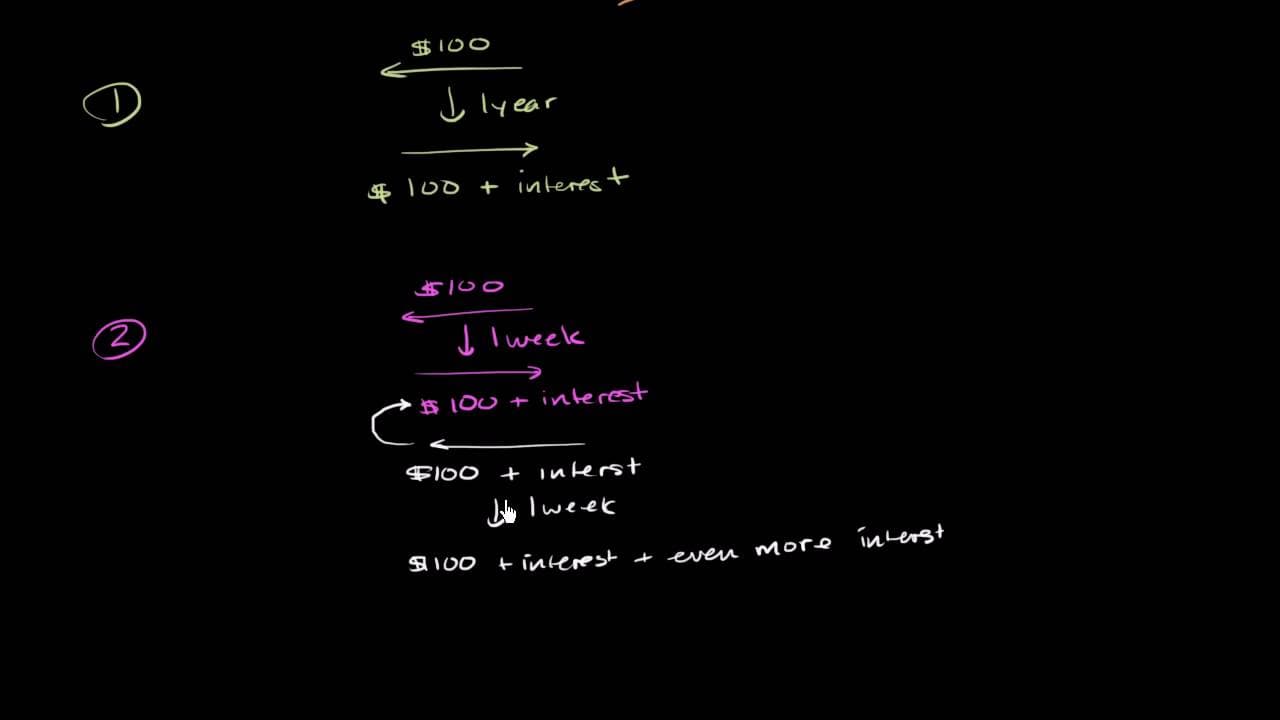
let's say you need to borrow some money from in particular you are going to borrow one hundred dollars for years so that's you and this is me and there's I give you two options so option number one is I just lend you one hundred dollars I just lend you one hundred dollars and then one year goes by and then after the year you would owe me one hundre... Read More
Key Insights
- 🤑 Borrowing money for longer durations with less flexibility carries higher interest rates due to increased risk for the lender.
- ☠️ Option 2, with weekly loans, offers more control to lenders and allows them to adjust interest rates as necessary.
- ❤️🩹 The borrower in Option 2 ends up paying significantly higher interest due to interest accumulating on previous interest payments.
- 🤨 Lenders may cut off borrowers in Option 2 if any suspicious activity or default occurs, reducing their risk.
- 🥺 Longer-term loans face uncertainties such as investment performance, inflation, and currency fluctuations, leading to higher interest rates.
- ☠️ Lenders charge higher interest rates as compensation for taking on more risk.
- ☠️ Adjusting interest rates according to market conditions helps lenders mitigate risk in Option 2.
Install to Summarize YouTube Videos and Get Transcripts
Explore YouTube Video Summarizer or Get YouTube Transcript Extractor
Questions & Answers
Q: Why do lenders charge higher interest rates for longer-term loans?
Lenders charge higher interest rates for longer-term loans because the longer the loan duration, the higher the risk of unforeseen events impacting the borrower's ability to repay. Lenders need to compensate for this increased risk.
Q: How does Option 2 in borrowing money minimize risk for the lender?
In Option 2, the lender can evaluate the borrower's situation each week and decide whether to continue providing a loan or cut them off if any suspicious activity or repayment default occurs. This gives the lender more control and reduces their risk.
Q: How does Option 2 impact the borrower's interest payments?
In Option 2, as each week passes, the borrower accumulates interest not only on the original loan but also on the previous interest payments. This leads to significantly higher interest payments for the borrower compared to Option 1.
Q: Can lenders adjust the interest rate in Option 2?
Yes, in Option 2, lenders have the flexibility to adjust the interest rate each week based on the prevailing market conditions or borrower's risk profile. This adaptability allows them to manage risk more effectively.
Summary & Key Takeaways
-
Option 1: Borrow $100 for one year, and at the end of the year, repay the $100 plus accumulated interest.
-
Option 2: Borrow $100 for one week, and at the end of the week, repay the $100 plus interest. If you need more time, another loan is given, and this process continues each week for a year.
-
Lenders charge higher interest rates for longer-term loans due to the increased risk they assume.
Read in Other Languages (beta)
Share This Summary 📚
Summarize YouTube Videos and Get Video Transcripts with 1-Click
Try YouTube Summary with ChatGPT & Claude or YouTube Transcript Generator
Explore More Summaries from Khan Academy 📚



Summarize YouTube Videos and Get Video Transcripts with 1-Click
Try YouTube Summary with ChatGPT & Claude or YouTube Transcript Generator