Harry Potter and the translator's nightmare
TL;DR
Translating Harry Potter involves cultural adaptation and creative solutions.
Transcript
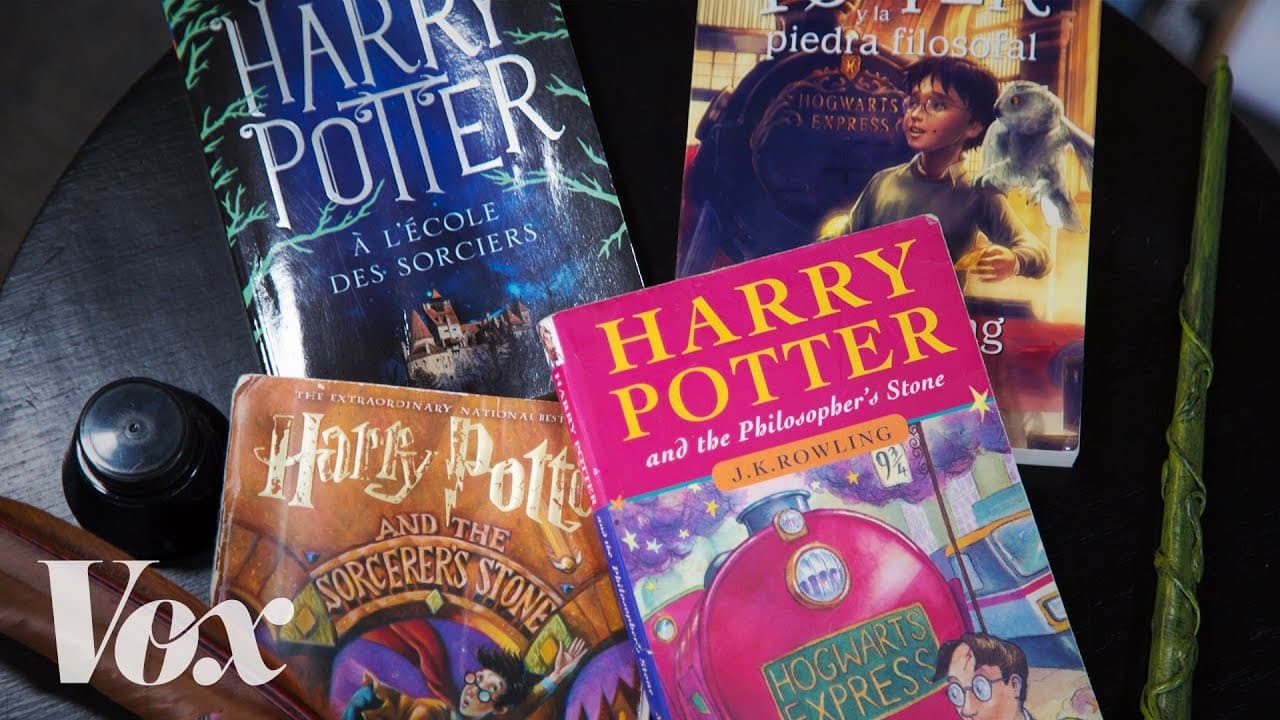
In 1997, JK Rowling published Harry Potter and the Philosopher's stone. But most of her audience didn’t actually read that book. They read Harry Potter and the Sorcerer’s stone. or Harry Potter A L'Ecole des Sorciers Harry Potter va Sang-e Jadu Harry Potter y la Piedra Filosofal [cool humming of "Hedwig's Theme" ] The bewitching Harry Potter books ... Read More
Key Insights
- The Harry Potter series has been translated into over 60 languages, requiring translators to adapt not just the language but also cultural references and invented words.
- Proper names in the books often carry meanings that need to be preserved in translation, leading to creative solutions like Severus Snape becoming Severus Piton in Italian.
- Translators faced challenges with wordplay and puns, such as Diagon Alley, which many opted to translate literally due to the difficulty in retaining the pun.
- Cultural elements like food and settings were adapted to fit the target audience's familiarity, such as changing sherbet lemons to krembo in Hebrew translations.
- Hagrid's accent was adapted differently across translations, with some choosing regional dialects and others dropping the accent entirely.
- Translators had to make quick adaptations, as seen with the rapid translation of 'Harry Potter and the Order of the Phoenix' within a month of its English release.
- Illegal fan translations emerged due to the high demand and anticipation for the books, highlighting the global popularity and eagerness of readers.
- Despite the adaptations and translations, the core appeal of Harry Potter's story remains universal, resonating with readers worldwide.
Install to Summarize YouTube Videos and Get Transcripts
Explore YouTube Video Summarizer or Get YouTube Transcript Extractor
Questions & Answers
Q: What were some challenges translators faced with Harry Potter?
Translators faced numerous challenges, including adapting British cultural references, invented words, and puns. They had to creatively translate proper names carrying specific meanings, such as Severus Snape, and maintain the spirit of the original text while making it accessible to different cultures and languages.
Q: How did translators handle the wordplay in Harry Potter?
Wordplay, such as Diagon Alley, posed a significant challenge. Many translators opted for literal translations, as retaining the pun was difficult. However, some, like the Spanish translator, attempted to preserve the rhyme or playfulness, demonstrating the complexity and creativity required in translation.
Q: How were cultural elements adapted in translations?
Cultural elements, like food and settings, were adapted to better fit the target audience. For example, sherbet lemons became krembo in Hebrew, and the English boarding school setting was changed to an orphanage in the Ukrainian translation, ensuring relatability and understanding for readers from different cultures.
Q: What strategies were used for translating character names?
Character names often carried specific meanings, requiring creative translations. For instance, Severus Snape became Severus Piton in Italian, reflecting the 'snake' connotation. Translators aimed to preserve the character's essence and relevant attributes, sometimes sacrificing alliteration or original sound for meaning.
Q: How did translators deal with Hagrid's accent?
Hagrid's accent was adapted differently across translations. Some used regional dialects, like the Tōhoku dialect in Japanese, to replicate the provincial feel. Others chose to have him speak informally or dropped the accent entirely, balancing authenticity with readability and cultural relevance.
Q: Why were illegal fan translations created?
Illegal fan translations emerged due to the high demand and anticipation for the Harry Potter books. Fans eagerly awaited the next installment, and unofficial translations allowed them to access the story faster, highlighting the series' immense popularity and the global eagerness to engage with its narrative.
Q: What was the impact of translating Harry Potter on its global popularity?
Translating Harry Potter significantly contributed to its global popularity by making the story accessible to diverse audiences. Despite the challenges, the translations preserved the series' core themes and appeal, allowing it to resonate with readers worldwide and fostering a shared love for 'The Boy Who Lived.'
Q: How quickly were translations of new Harry Potter books produced?
Translations of new Harry Potter books were produced rapidly to meet eager reader demand. For example, 'Harry Potter and the Order of the Phoenix' was translated within a month of its English release, showcasing the translators' dedication and the series' widespread anticipation and popularity.
Summary & Key Takeaways
-
Translating the Harry Potter series involved not only linguistic changes but also cultural adaptations to maintain the essence of the story across different languages. Translators had to creatively handle wordplay, invented words, and British cultural references to make the story accessible and enjoyable for a global audience.
-
Names and terms in the series often carried specific meanings or puns that were challenging to translate. For instance, Severus Snape's name was adapted to maintain its connotations, and Diagon Alley was often translated literally due to the difficulty in retaining the pun.
-
Cultural elements were also adapted, such as food items and settings, to better resonate with the target audience. Despite these challenges, the universal themes of the Harry Potter series have allowed it to capture the hearts of readers worldwide, regardless of language or cultural differences.
Read in Other Languages (beta)
Share This Summary 📚
Summarize YouTube Videos and Get Video Transcripts with 1-Click
Try YouTube Summary with ChatGPT & Claude or YouTube Transcript Generator
Explore More Summaries from Vox 📚


Summarize YouTube Videos and Get Video Transcripts with 1-Click
Try YouTube Summary with ChatGPT & Claude or YouTube Transcript Generator