How Hygienic were People in the Past?
TL;DR
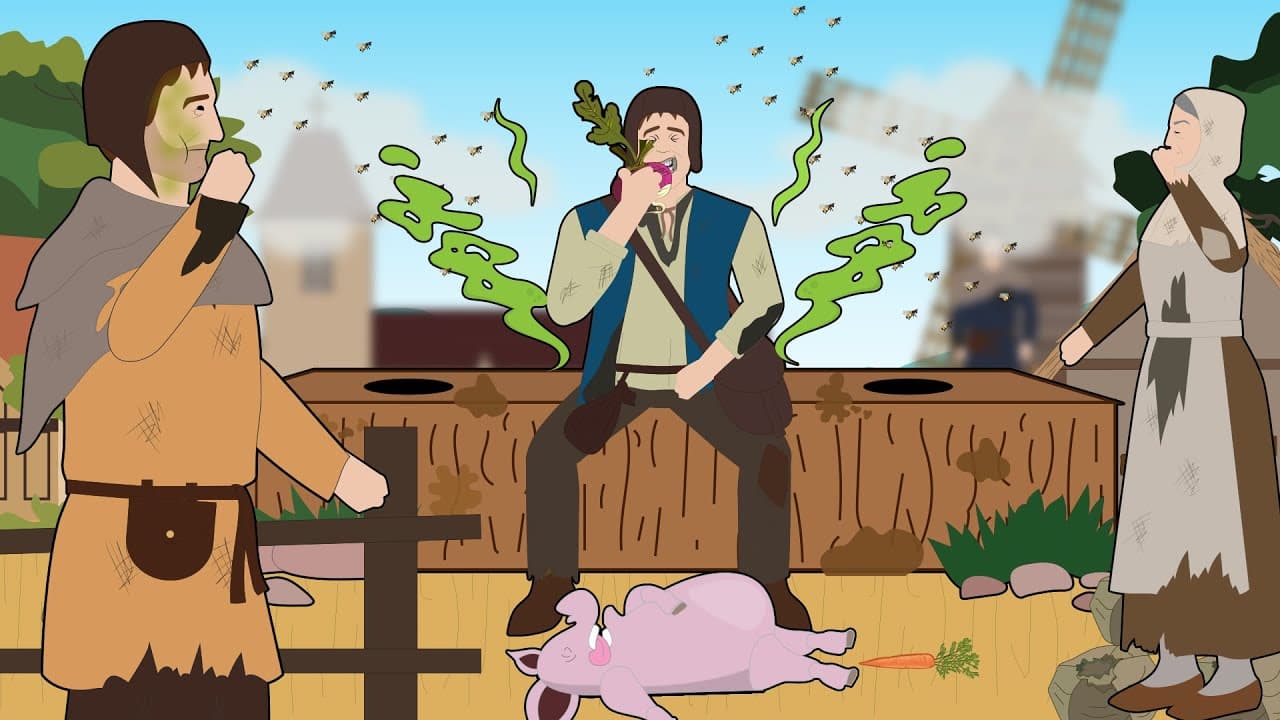
Throughout history, personal hygiene has had a significant impact on military campaigns, public health, and even royal etiquette.
Transcript
foreign soldiers hygiene in 331 BC Alexander the Great prepared to meet Persian king Darius III at the Battle of galgamala on the eve of this Monumental battle for Asia what did the Macedonian King command his troops to do shave while Alexander was following the customs of the Macedonian nobility for the Greeks in his army the order was very unusua... Read More
Key Insights
- 🧔 Personal hygiene has been crucial in military engagements, with Alexander the Great's order to shave beards highlighting its significance.
- 🥺 Disease outbreaks, such as the Bubonic plague, were exacerbated by poor hygiene practices, leading to high mortality rates.
- 💋 Historical societies implemented various measures to address hygiene challenges, from communal sponge sticks in Rome to cesspits in medieval Europe.
- 🤴 Royal rulers, including the British monarchy, often exhibited unhygienic habits, with limited access to proper bathing facilities.
- ⌛ The implementation of personal hygiene practices by military forces significantly reduced non-combat-related casualties over time.
- ❓ Hygienic practices were valued for social status in medieval societies, with personal cleanliness as a marker of nobility.
- 💀 Toilet-related accidents, explosions, and deaths have occurred throughout history, highlighting the potential dangers associated with unsanitary conditions.
Install to Summarize YouTube Videos and Get Transcripts
Explore YouTube Video Summarizer or Get YouTube Transcript Extractor
Questions & Answers
Q: Why did Alexander the Great order his troops to shave their beards before battle?
The exact reason is still debated, but it is speculated that Alexander wanted to minimize the risk of opponents grabbing onto beards during combat. It could also be a strategic move to appear more youthful and vigorous to inspire his troops.
Q: How did the U.S. military address hygiene issues and reduce casualties from non-combat injuries?
The U.S. military implemented various measures, including hygiene training for soldiers, field sanitation teams, safe rations, portable water, showering and bathroom facilities, and medical advancements like antibiotics and vaccines.
Q: What were the toilet practices in ancient Rome?
Romans used communal sponge sticks for cleaning themselves, and waste disposal varied from cesspits to streams and rivers. The lack of proper waste management contributed to disease outbreaks, particularly in crowded urban centers.
Q: How did personal hygiene impact social status in medieval times?
Personal hygiene distinguished the nobility from the common people. While aristocrats enjoyed access to private baths, the general population relied on public baths, which declined due to the perception of immorality and fear of spreading disease.
Summary & Key Takeaways
-
In ancient times, Alexander the Great ordered his troops to shave their beards for easier battle, highlighting the importance of personal hygiene in military engagements.
-
Personal hygiene played a critical role in preventing the spread of disease and reducing casualties among soldiers throughout history, with the modern U.S military placing great emphasis on hygienic practices.
-
Good personal hygiene was also essential in medieval societies, where people practiced daily dental hygiene, used various materials for toileting, and maintained personal hygiene for social status.
-
Romans had advanced sanitation systems but faced hygiene challenges with communal sponge sticks and inadequate waste disposal practices.
-
Finally, the British monarchy in the medieval and early modern period was notorious for its lack of hygiene, with royal rulers exhibiting foul habits and unclean practices.
Read in Other Languages (beta)
Share This Summary 📚
Summarize YouTube Videos and Get Video Transcripts with 1-Click
Try YouTube Summary with ChatGPT & Claude or YouTube Transcript Generator
Explore More Summaries from Simple History 📚


Summarize YouTube Videos and Get Video Transcripts with 1-Click
Try YouTube Summary with ChatGPT & Claude or YouTube Transcript Generator