How Can Curiosity Transform Education Today?
TL;DR
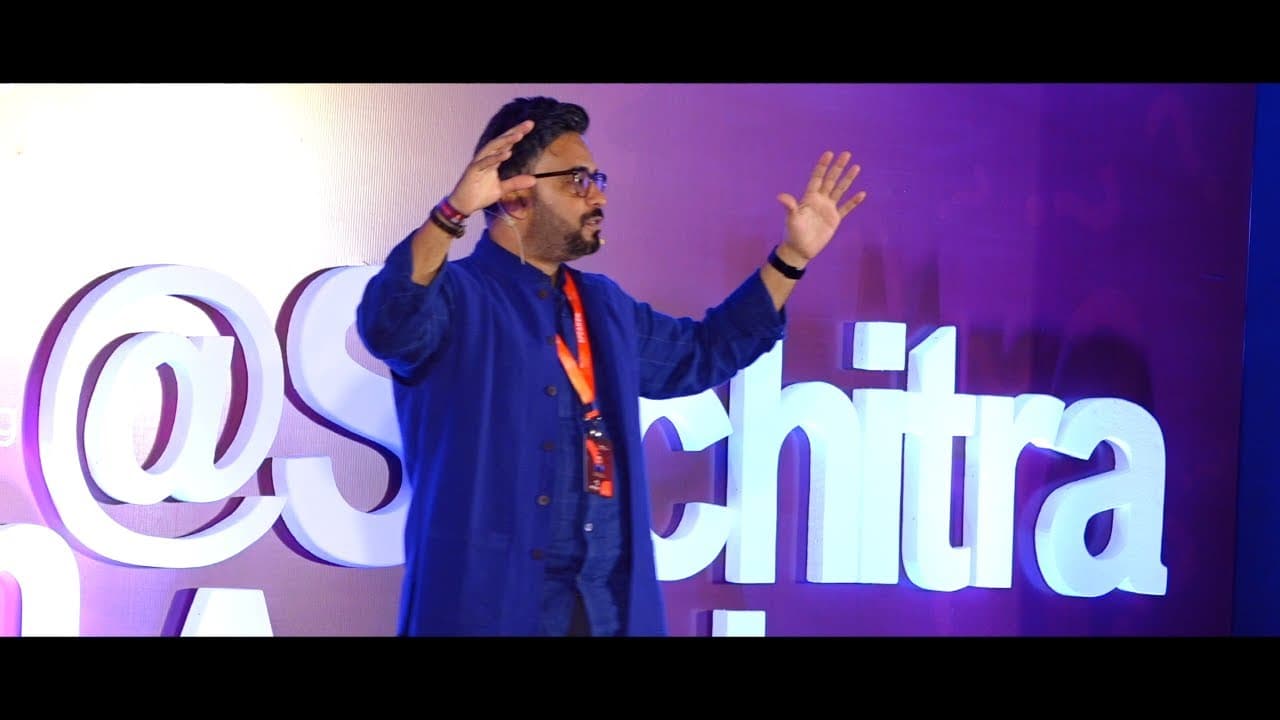
Nurturing curiosity in education is essential to foster lifelong learning and adaptability in a rapidly changing world. By focusing on facilitating inquiry rather than merely providing answers, educators can engage students more deeply. Key strategies include promoting varied experiences, minimizing reliance on texts, and encouraging self-directed exploration to keep curiosity alive.
Transcript
jasa an extremely relevant and if I may venture to say extremely urgent theme or topic to address it couldn't have come at a better time and I say this for two reasons number one I would like you to visualize imagine with me and we'll go on a time scale Journey I'll take you into future 6 to 8 years from now let's say 2030 2032 imagine we are doing... Read More
Key Insights
- 💭 The future may see advancements in AI that could challenge human capacities for thought, necessitating an educational shift towards fostering curiosity.
- 🥰 Love for learning must be at the forefront of educational practices to combat the traditional focus on information accumulation.
- 🫚 Jasa, derived from the Hindi word for curiosity, signifies a lifelong quest for knowledge rooted in inquisitiveness and exploration.
- 😫 The obsession with answering set questions can hinder a child’s natural curiosity as they grow, limiting their engagement with the world.
- 👶 Varied experiences outside familiar contexts can stimulate curiosity by exposing individuals to new perspectives and ideas.
- 🌍 Reducing dependence on texts can help individuals reconnect with their intrinsic sense of inquiry and exploration of real-world experiences.
- 🧑🎓 Facilitating learning, rather than merely teaching, empowers students to uncover their knowledge, enhancing their personal growth and curiosity.
Install to Summarize YouTube Videos and Get Transcripts
Explore YouTube Video Summarizer or Get YouTube Transcript Extractor
Questions & Answers
Q: Why is curiosity considered urgent in today's educational context?
Curiosity is deemed urgent because of the rapid advancements in artificial intelligence that may render traditional human cognitive abilities obsolete. With technology evolving, educational systems must cultivate curiosity to foster critical thinking and adaptability in learners, ensuring they remain relevant in an AI-driven future.
Q: How does the concept of 'jasa' relate to traditional education?
'Jasa,' or curiosity, contrasts with the conventional education model that prioritizes rote memorization and answering predefined questions. Traditional education often suppresses curiosity by limiting students to respond to external inquiries rather than fostering their innate desire to ask questions and explore subjects creatively.
Q: What are the four ways to keep curiosity alive, as mentioned in the content?
The four strategies to keep curiosity alive include: 1) Avoiding a telling mode that stifles questioning, 2) Providing varied experiences to spark interest, 3) Reducing reliance on textual information to encourage real-world exploration, and 4) Shifting from teaching to facilitating, allowing learners to discover knowledge within themselves.
Q: How can adult educators promote curiosity in young learners according to the speaker?
Educators can promote curiosity by recognizing that children often seek deeper understanding through follow-up questions rather than direct answers. Instead of providing immediate solutions, adults should encourage students to engage with their questions, fostering an environment where inquiry is valued and explored.
Summary & Key Takeaways
-
The discussion emphasizes the urgency of nurturing curiosity (jasa) in education, especially with rapidly evolving artificial intelligence potentially surpassing human intelligence.
-
Curiosity is seen as a fundamental component of lifelong learning, encouraging individuals to stay engaged, question their understanding, and continuously seek knowledge throughout life.
-
The speaker outlines four strategies to maintain curiosity in education, advocating for experiential learning, reducing reliance on text, and prioritizing facilitation over traditional teaching methods.
Read in Other Languages (beta)
Share This Summary 📚
Summarize YouTube Videos and Get Video Transcripts with 1-Click
Try YouTube Summary with ChatGPT & Claude or YouTube Transcript Generator
Explore More Summaries from TEDx Talks 📚

Summarize YouTube Videos and Get Video Transcripts with 1-Click
Try YouTube Summary with ChatGPT & Claude or YouTube Transcript Generator