How to Turn Losses into Lessons for Success
TL;DR
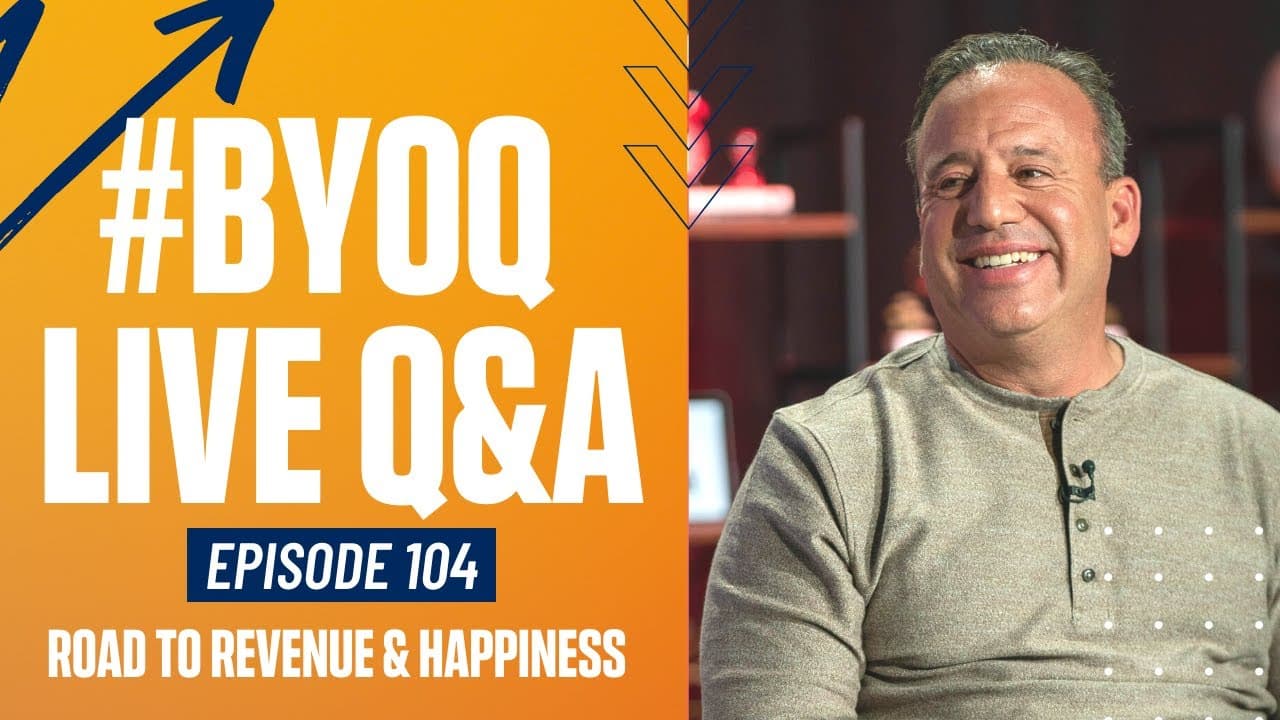
The key to transforming losses into lessons is to maintain faith and view setbacks as opportunities for growth. By recognizing the value in these experiences, you can convert failures into successes. It's essential to identify and manage ego-driven emotions like guilt and anger, which interfere with learning and progress.
Transcript
we're good so i'm gonna get i'm gonna get started uh with training i pray i appreciate it and so today uh number one i want to give a big shout out today is my son's 12th birthday so uh happy birthday miles everyone will hear this go again and again but uh he's absolutely the light of my life and uh so proud of him and love him and always have his ... Read More
Key Insights
- Losses in life are lessons that help us grow and improve.
- Faith in something greater helps see setbacks as opportunities.
- The ego creates emotions like guilt and anger, which hinder progress.
- Practicing identification of ego-driven emotions can reduce their impact.
- Directing emotions towards positive outcomes accelerates success.
- An open mind is crucial for effective communication and negotiation.
- Coherence and consistency in practice lead to personal growth.
- Abundant negotiation focuses on value addition rather than zero-sum games.
Install to Summarize YouTube Videos and Get Transcripts
Explore YouTube Video Summarizer or Get YouTube Transcript Extractor
Questions & Answers
Q: How can I turn my losses into lessons?
To turn losses into lessons, maintain faith in a greater purpose and view setbacks as opportunities for growth. Recognize that failures are valuable learning experiences. By identifying and managing ego-driven emotions like guilt, you can convert these experiences into successes.
Q: What role does faith play in overcoming setbacks?
Faith helps individuals see setbacks as opportunities for growth and protection. Believing in a force greater than oneself provides the confidence to view failures as lessons rather than defeats. This mindset shift is crucial for turning losses into successes.
Q: How can I manage feelings of guilt after a loss?
Managing guilt involves recognizing it as an ego-driven emotion that interferes with personal growth. Practice identifying these feelings and redirecting your focus to positive actions. By doing so, you minimize the time spent in negative emotions and enhance your ability to learn from setbacks.
Q: What is the importance of an open mind in communication?
An open mind is essential for effective communication as it allows for better understanding and collaboration. It reduces resistance and facilitates the exchange of ideas, making it easier to find solutions and create value in personal and professional relationships.
Q: How can I improve my negotiation skills?
Improve negotiation skills by focusing on value addition rather than zero-sum outcomes. Use open-ended questions to understand the other party's needs and priorities. This approach builds trust and fosters an environment of collaboration and mutual benefit.
Q: What is coherence and why is it important?
Coherence is the ability to consistently practice desired behaviors, such as gratitude and accountability. It is crucial for personal growth as it ensures that actions align with values and goals. Coherence leads to predictable progress and success in various aspects of life.
Q: How can I apply my emotions effectively?
To apply emotions effectively, direct them towards positive outcomes and goals. Focus on what you want to achieve and align your energy with actions that support those objectives. This approach enhances productivity and accelerates progress towards desired results.
Q: What is the benefit of abundant negotiation?
Abundant negotiation focuses on creating value for all parties involved rather than competing for limited resources. This mindset fosters collaboration, reduces conflict, and leads to mutually beneficial outcomes, enhancing personal and professional relationships.
Summary & Key Takeaways
-
Transforming losses into lessons involves faith and recognizing setbacks as growth opportunities. By learning from failures, you can convert them into successes, turning 'L's into 'W's. Managing ego-driven emotions like guilt and anger is crucial for this transformation.
-
Maintaining an open mind and being more interested than interesting are key to effective communication and negotiation. This approach not only builds trust but also creates a network of support, facilitating personal and professional growth.
-
Coherence, or the ability to consistently practice desired behaviors, is essential for progress. By focusing on gratitude, forgiveness, accountability, and effective communication, individuals can achieve greater happiness and success.
Read in Other Languages (beta)
Share This Summary 📚
Summarize YouTube Videos and Get Video Transcripts with 1-Click
Try YouTube Summary with ChatGPT & Claude or YouTube Transcript Generator
Explore More Summaries from David Meltzer 📚

Summarize YouTube Videos and Get Video Transcripts with 1-Click
Try YouTube Summary with ChatGPT & Claude or YouTube Transcript Generator