How to Use Intentional Training for Success
TL;DR
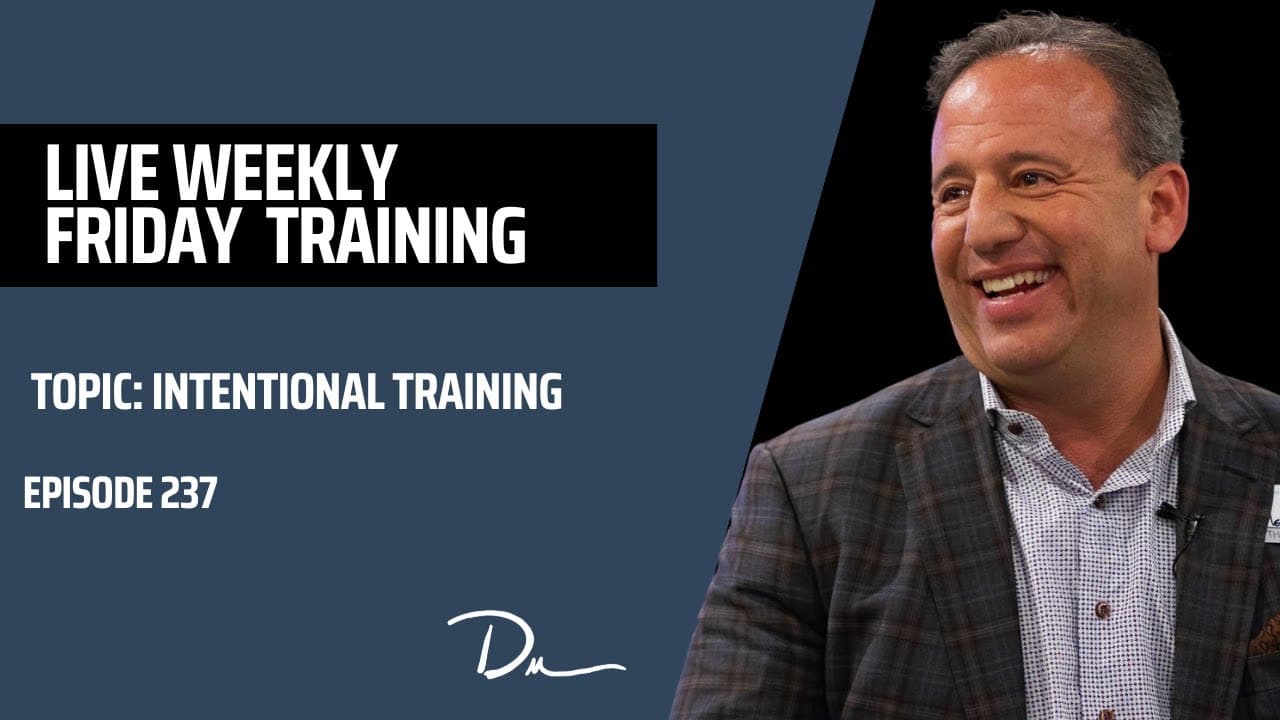
Intentional training focuses on aligning your thoughts, words, and actions with your goals. By understanding the five levels of intention, you can elevate your purpose and overcome obstacles. This approach fosters a mindset that encourages growth and resilience in the face of challenges.
Transcript
now I'm at the point you want to be with me I'm vibing out at a higher frequency cuz everything that I want and I'm going to be it's when I wake up that's when I start to dream someone you love is talking down here is the plan let it fall through like a handful of sand nothing happens overnight what you must understand if you dwell on the bad then ... Read More
Key Insights
- Intentionality involves aligning your speech, actions, and thoughts with your goals.
- Purpose must be greater than pain to prevent quitting and encourage persistence.
- The five levels of intention include speaking, doing, thinking, believing, and feeling.
- Positive actions and thoughts can compound to create better outcomes in life.
- Self-image plays a crucial role in achieving your goals and expanding your potential.
- Understanding the human experience helps in aligning your intentions with your actions.
- Daily practices of intentionality can lead to exponential growth and success.
- The power of community and support is essential for maintaining intentionality and motivation.
Install to Summarize YouTube Videos and Get Transcripts
Explore YouTube Video Summarizer or Get YouTube Transcript Extractor
Questions & Answers
Q: What are the five levels of intention in intentional training?
The five levels of intention are speaking, doing, thinking, believing, and feeling. Each level requires alignment with your goals and purpose. For example, speaking involves articulating your desires clearly, while doing requires taking actionable steps towards those goals. Believing and feeling are about cultivating a mindset that supports your intentions, making it essential to manage both conscious and subconscious thoughts.
Q: How can I ensure my purpose is greater than my pain?
To ensure your purpose outweighs your pain, you must regularly assess your motivations and align them with your daily actions. This involves reflecting on your goals and the reasons behind them, ensuring they resonate deeply with your values. When faced with challenges, remind yourself of your ultimate purpose, which can provide the necessary strength to overcome temporary discomfort.
Q: What role does self-image play in achieving goals?
Self-image significantly influences your ability to achieve goals. It shapes your beliefs about what you can accomplish and affects your motivation. A positive self-image empowers you to pursue your ambitions, while a negative self-image can hinder progress. By actively working to enhance your self-image, you can expand your potential and align your actions with your aspirations.
Q: How can I practice intentionality daily?
To practice intentionality daily, start by setting clear intentions each morning. Reflect on your goals and how your actions can align with them throughout the day. Use tools like vision boards or journaling to keep your intentions visible. Additionally, regularly evaluate your thoughts and actions to ensure they support your desired outcomes, adjusting as necessary to maintain alignment.
Q: What is the significance of community in intentional training?
Community plays a vital role in intentional training by providing support, accountability, and shared learning experiences. Engaging with others who share similar goals can enhance motivation and foster a sense of belonging. This connection can help individuals stay committed to their intentions and encourage growth through collaboration and shared insights.
Q: How do I cancel negative thoughts or intentions?
To cancel negative thoughts or intentions, first, become aware of them as they arise. Acknowledge these thoughts without judgment, then consciously replace them with positive affirmations or intentions. Techniques such as visualization or mindfulness can help reinforce this process, allowing you to shift your focus back to your desired outcomes and maintain a positive mindset.
Q: What are some practical exercises for enhancing intentionality?
Practical exercises for enhancing intentionality include daily goal setting, mindfulness meditation, and journaling about your intentions and progress. Additionally, practicing gratitude can shift your focus to positive aspects of your life, reinforcing a mindset conducive to intentional living. Engaging in regular self-reflection can also help you stay aligned with your goals.
Q: How can I measure the effectiveness of my intentional training efforts?
To measure the effectiveness of your intentional training efforts, set specific, measurable goals and track your progress over time. Regularly review your intentions and the outcomes they produce, adjusting your strategies as needed. Feedback from peers or mentors can also provide valuable insights into your growth and areas for improvement.
Summary & Key Takeaways
-
Intentional training emphasizes the importance of aligning your purpose with your actions and thoughts. By recognizing the five levels of intention, individuals can learn to harness their energy and focus on their goals effectively.
-
The speaker discusses how purpose should surpass pain to foster resilience and prevent quitting. This mindset is crucial for achieving long-term success and personal growth.
-
The session highlights the significance of community and support in the journey toward intentional living. Engaging with others can amplify your efforts and provide motivation in challenging times.
Read in Other Languages (beta)
Share This Summary 📚
Summarize YouTube Videos and Get Video Transcripts with 1-Click
Try YouTube Summary with ChatGPT & Claude or YouTube Transcript Generator
Explore More Summaries from David Meltzer 📚

Summarize YouTube Videos and Get Video Transcripts with 1-Click
Try YouTube Summary with ChatGPT & Claude or YouTube Transcript Generator