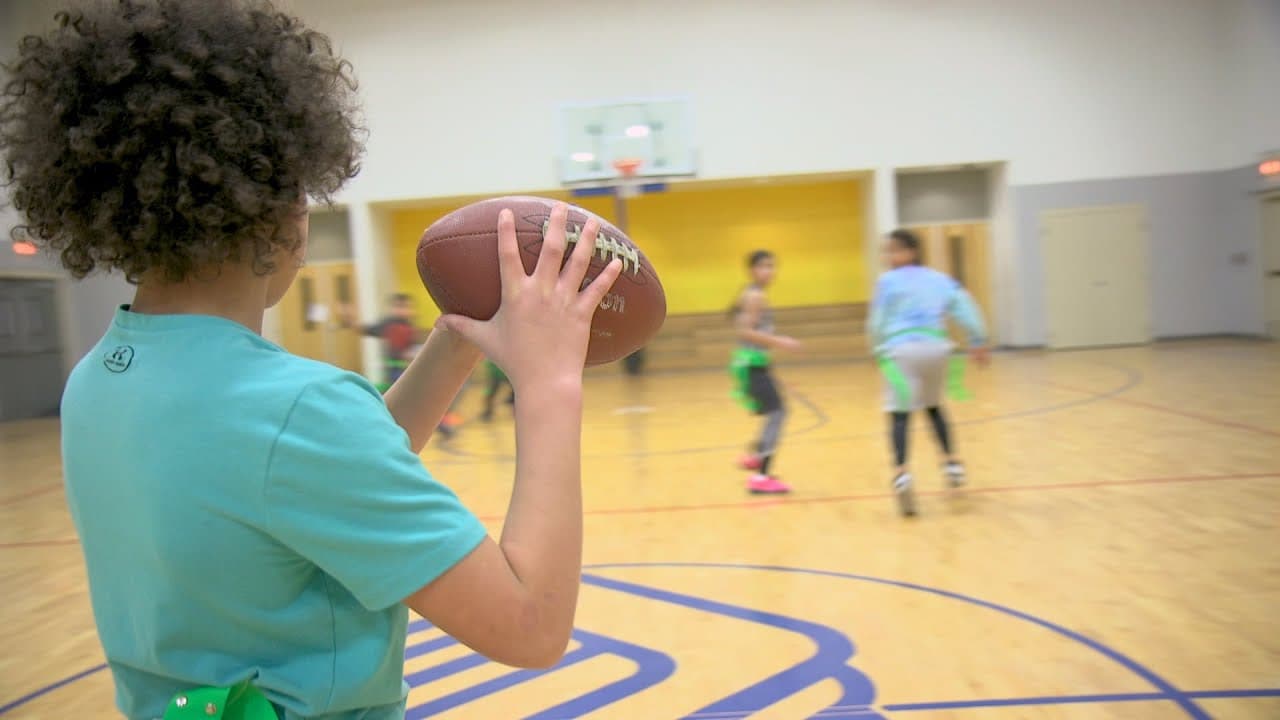
Using Athletics to Teach Social and Emotional Skills
TL;DR
Sports provide a natural opportunity for social and emotional skill building while allowing visible growth and improvement through practice.
Transcript
Karen: Sports are a natural opportunity for social and emotional skill building, because sports are often done in teams. Sports are goal-oriented, so we have multiple opportunities for problem-solving. Because of the element of practice in a sport, that allows you to see very visible growth, and allows young people who may be struggling academica... Read More
Key Insights
- 👯 Sports offer a valuable opportunity for social and emotional skill development in young people.
- 👾 The athletic space can be emotionally charged, but with the right support and training, conflicts can be resolved, and emotions can be regulated effectively.
- 🏢 Ice breaker activities in sports help build connections and understanding among teammates.
- 🧑🏫 Coaches have a significant influence on players' social and emotional growth, teaching them valuable life skills.
- 🚙 Feedback in sports should go beyond technical aspects and focus on emotional regulation and problem-solving abilities.
- 🚙 Players who experience growth in sports are more likely to transfer that confidence and improvement to other areas of their lives.
- 🚙 Tailoring the stakes and recognizing specific social and emotional skills in sports can enhance the learning experience.
Install to Summarize YouTube Videos and Get Transcripts
Explore YouTube Video Summarizer or Get YouTube Transcript Extractor
Questions & Answers
Q: How do sports contribute to social and emotional skill building?
Sports provide a natural setting for players to develop skills such as emotion regulation, dealing with adversity, self-awareness, and goal setting.
Q: How does a coach's guidance impact players' social and emotional growth?
Coaches like Caleb play a crucial role in teaching players how to cool down, communicate respectfully, and set goals, ultimately helping them become better individuals.
Q: Why is it important to provide feedback in sports?
Feedback is essential for young athletes as it allows them to calibrate their actions and improve. It should focus not only on technical skills but also on emotional regulation and problem-solving abilities.
Q: How can the benefits of sports extend beyond the playing field?
The growth and improvement experienced in sports can boost players' confidence and abilities outside of the club, empowering them to tackle challenges in other aspects of life.
Summary & Key Takeaways
-
Sports offer a platform for social and emotional skill development, as they are often played in teams and require problem-solving.
-
The athletic space is both a popular and challenging environment, as it can create conflict and emotional reactions, but with proper social-emotional support and training, all kids can be successful.
-
Ice breaker activities in sports help teammates get to know and understand each other, fostering better relationships and teamwork.
Read in Other Languages (beta)
Share This Summary 📚
Summarize YouTube Videos and Get Video Transcripts with 1-Click
Try YouTube Summary with ChatGPT & Claude or YouTube Transcript Generator
Explore More Summaries from Edutopia 📚



Summarize YouTube Videos and Get Video Transcripts with 1-Click
Try YouTube Summary with ChatGPT & Claude or YouTube Transcript Generator