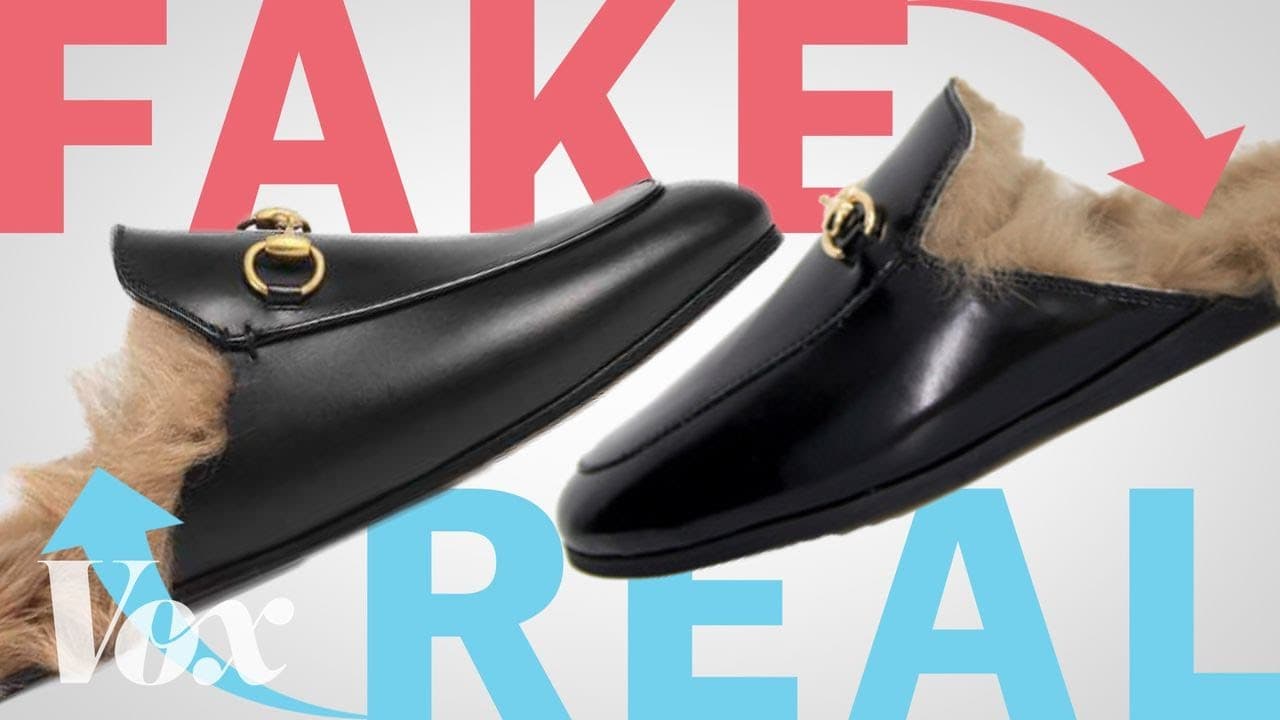
Why this Gucci knockoff is totally legal
TL;DR
Knockoffs drive fashion innovation by promoting new trends.
Transcript
In February 2015 Gucci unveiled this very furry shoe. I love this ridiculous thing. I can’t afford to spend $1000, but no problem! I can buy this knockoff. Or this one. So, which of these are legal? Trick question. And it’s a constant fight in the fashion industry. In the US, you can protect songs. “I like those Balenciaga's, the ones that look...”... Read More
Key Insights
- Knockoffs in fashion are often legal because they do not copy brand symbols, unlike counterfeits which are illegal.
- Intellectual property laws protect artistic works but not fashion designs, as they are considered useful articles.
- Trademarks and patents offer limited protection to fashion designers, with patents being impractical due to the fast-paced nature of fashion.
- The U.S. Constitution allows Congress to protect creative works only if it promotes industry progress, which complicates fashion design protection.
- Experts argue that copying in fashion fosters creativity by setting new trends, pushing the industry to innovate continuously.
- The rapid cycle of copying and trend-setting in fashion leads to higher prices for luxury items, while other prices remain stable or fall.
- Digital technology has accelerated the copying process, with designs being replicated and sold online before originals hit stores.
- The debate continues over whether protecting fashion designs truly promotes progress or stifles creativity and innovation.
Install to Summarize YouTube Videos and Get Transcripts
Explore YouTube Video Summarizer or Get YouTube Transcript Extractor
Questions & Answers
Q: What distinguishes knockoffs from counterfeits in fashion?
Knockoffs differ from counterfeits in that they replicate the design of a product without copying the brand's logo or symbols. Counterfeits, on the other hand, illegally use a brand's trademarks to deceive consumers into thinking they are purchasing an authentic product. This distinction makes knockoffs legal while counterfeits are not.
Q: Why are fashion designs not typically protected by intellectual property laws?
Fashion designs are considered useful articles, which means they have a functional purpose beyond their artistic design. Intellectual property laws, such as copyright, protect artistic and literary works but do not extend to useful items. This categorization limits the legal protection available to fashion designers for their creations.
Q: How does the U.S. Constitution influence the protection of fashion designs?
The U.S. Constitution grants Congress the power to protect creative works only if it promotes the progress of creative industries. This requirement complicates the protection of fashion designs, as it must be demonstrated that such protection would indeed foster industry progress, rather than hinder creativity and innovation.
Q: What argument do experts make about the role of copying in fashion?
Experts, like NYU law professor Christopher Sprigman, argue that copying in fashion encourages creativity by setting new trends. This cycle of imitation and innovation forces designers to continuously create new styles, driving the fashion industry forward and challenging the notion that copying stifles creativity.
Q: How has digital technology impacted the fashion industry's approach to knockoffs?
Digital technology has accelerated the fashion industry's cycle of copying by allowing designs to be shared and replicated online quickly. This speed means that knockoffs can be sold online before original designs reach stores, challenging traditional timelines and raising questions about the impact on designers and their profits.
Q: What economic trends are observed in the fashion industry regarding luxury items and knockoffs?
The fashion industry has seen luxury item prices increase over time, while the prices of other fashion goods have remained stable or decreased. This trend reflects broader economic disparities, with the rich getting richer and their clothing becoming more expensive, while knockoffs do not seem to discipline luxury prices.
Q: Why is it challenging to protect fashion designs legally?
Protecting fashion designs legally is challenging because they are classified as useful articles, not artistic works, under intellectual property laws. Additionally, the fast-paced nature of fashion makes patents impractical, as they take time to grant, and by then, the fashion trend may have passed.
Q: What is the significance of the debate over protecting fashion designs?
The debate over protecting fashion designs centers on whether such protection would promote industry progress or stifle creativity. While some argue for protection as a means to secure designers' rights, others believe that the freedom to copy fosters innovation and trend-setting, which are crucial for the industry's vitality.
Summary & Key Takeaways
-
Knockoffs in fashion are distinct from counterfeits; they mimic design without copying brand symbols, making them legal. Intellectual property laws do not typically cover fashion designs, as they are deemed useful articles, unlike artistic works such as songs or paintings.
-
In the U.S., Congress can only protect creative works if it promotes industry progress, complicating protection for fashion designs. Experts argue that copying promotes creativity by setting trends, which drives innovation in the fashion industry despite conventional wisdom suggesting otherwise.
-
The rapid pace of fashion, aided by digital technology, allows designs to be copied and sold online before originals are available, raising questions about the impact of knockoffs. While luxury item prices rise, other fashion prices remain stable, highlighting economic disparities in the industry.
Read in Other Languages (beta)
Share This Summary 📚
Summarize YouTube Videos and Get Video Transcripts with 1-Click
Try YouTube Summary with ChatGPT & Claude or YouTube Transcript Generator
Explore More Summaries from Vox 📚


Summarize YouTube Videos and Get Video Transcripts with 1-Click
Try YouTube Summary with ChatGPT & Claude or YouTube Transcript Generator