Taoism Explained
TL;DR
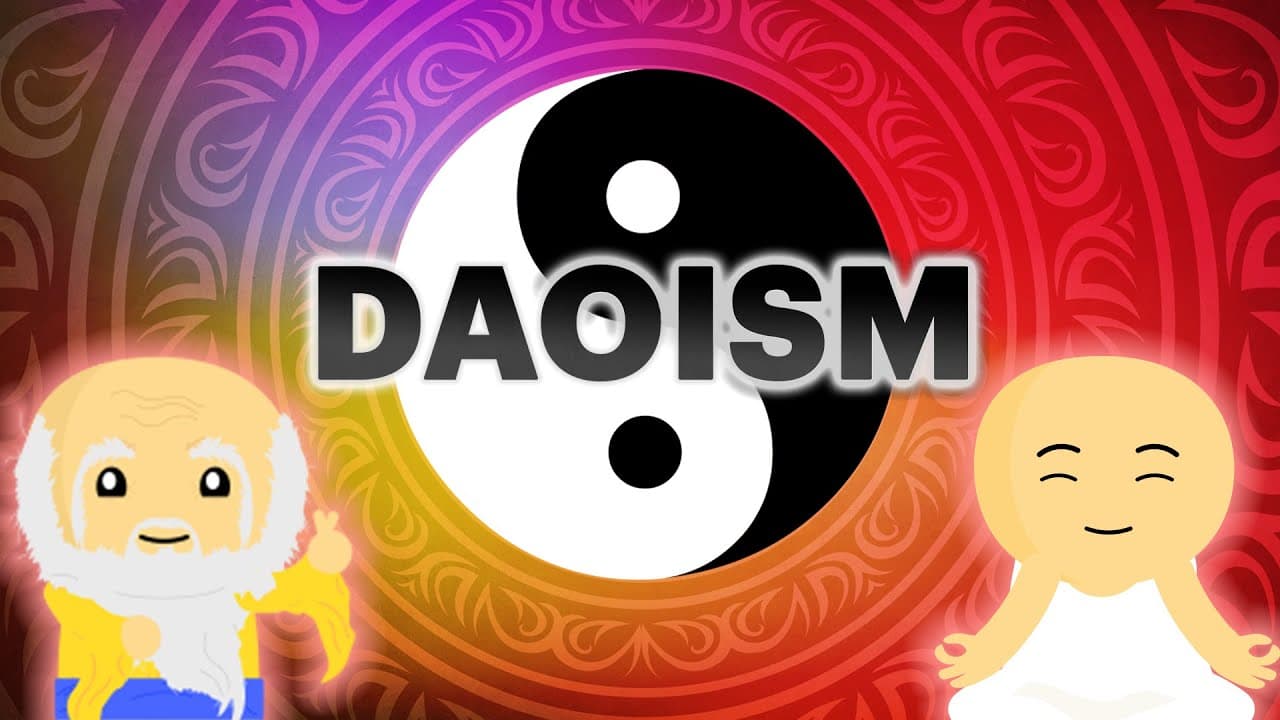
Taoism is an ancient Chinese religion focused on living in harmony with the natural flow of the universe, emphasizing the concept of the Dao, yin and yang, and the cultivation of chi.
Transcript
this video is sponsored by curiositystream get access to my video streaming service nebula when you sign up to curiositystream using the link in the description those who know do not speak those who speak do not know a journey of a thousand miles begins with a single step these wise phrases which you've no doubt heard before are over two thousand y... Read More
Key Insights
- 🫒 Taoism is an ancient Chinese religion focused on living in harmony with nature and recognizing the natural order of the universe.
- 📁 The central concept in Taoism is the Dao, representing an unformed, infinite force that creates and directs the universe.
- 🤪 Taoism teaches the importance of acting without intent, going with the natural flow of the Dao, and not forcing or swimming against the stream.
- ⚖️ Yin and yang symbolize the balance between opposing forces in the universe and highlight the cyclical, interconnected nature of existence.
- 💐 Chi, meaning "energy," is an essential aspect of Taoism, emphasizing the cultivation and flow of vital energy in the body.
- ✍️ Taoism includes various texts, with the Dao De Jing and Changsu's writings being foundational, providing insights into the nature of the Dao and the importance of recognizing the natural order.
- 🛄 Taoism is a complex and multifaceted religion that includes gods and goddesses, rituals, and practices aimed at physical and spiritual well-being.
Install to Summarize YouTube Videos and Get Transcripts
Explore YouTube Video Summarizer or Get YouTube Transcript Extractor
Questions & Answers
Q: What is the difference between Taoism and Daoism?
The difference lies in the translation from Chinese to English. "Taoism" is the older transliteration, while "Daoism" is the newer one. Both refer to the same religious tradition.
Q: How does Taoism view the natural world?
Taoism emphasizes the importance of living in harmony with nature and recognizing the natural order of the universe. It sees the natural world as a reflection of the Dao and a source of wisdom.
Q: What role do gods and goddesses play in Taoism?
While the Dao De Jing does not mention gods, Taoism is rich in a pantheon of deities, spirits, and supernatural beings. Many people believe in and worship various gods and goddesses for different purposes.
Q: How does Taoism approach physical health and well-being?
Taoism emphasizes practices like tai chi, meditation, and breathing exercises to cultivate chi and maintain optimal physical health. These practices focus on balancing and harmonizing the body's energy.
Key Insights:
- Taoism is an ancient Chinese religion focused on living in harmony with nature and recognizing the natural order of the universe.
- The central concept in Taoism is the Dao, representing an unformed, infinite force that creates and directs the universe.
- Taoism teaches the importance of acting without intent, going with the natural flow of the Dao, and not forcing or swimming against the stream.
- Yin and yang symbolize the balance between opposing forces in the universe and highlight the cyclical, interconnected nature of existence.
- Chi, meaning "energy," is an essential aspect of Taoism, emphasizing the cultivation and flow of vital energy in the body.
- Taoism includes various texts, with the Dao De Jing and Changsu's writings being foundational, providing insights into the nature of the Dao and the importance of recognizing the natural order.
- Taoism is a complex and multifaceted religion that includes gods and goddesses, rituals, and practices aimed at physical and spiritual well-being.
- Taoism's influence extends beyond traditional religious practices, with concepts like yin and yang and chi finding their way into popular culture and self-help movements.
Summary & Key Takeaways
-
Taoism is one of three major religious traditions in China, along with Confucianism and Buddhism. It emerged during the Warring States period and is characterized by its focus on nature and going with the flow.
-
The Dao, meaning "the way," is the central concept in Taoism. It is an unformed, infinite force that creates and directs the universe. The Dao cannot be fully understood or explained in words.
-
Wu Wei, meaning "not doing," is an important principle in Taoism. It is about acting without intent, going with the natural flow of the Dao, and not forcing or swimming against the stream.
-
Taoism includes various texts, with the Dao De Jing and Changsu's writings being foundational. These texts provide insights into the importance of recognizing the natural order in nature and the universe.
-
Yin and yang represent the dualistic nature of the universe. They symbolize the balance between opposing forces, such as light and dark, and emphasize the cyclical, interconnected nature of existence.
-
Chi, meaning "energy," is another key concept in Taoism. It refers to the vital energy that flows through all things, including the body. Cultivating chi through practices like meditation and breathing exercises is important for overall well-being.
Read in Other Languages (beta)
Share This Summary 📚
Summarize YouTube Videos and Get Video Transcripts with 1-Click
Try YouTube Summary with ChatGPT & Claude or YouTube Transcript Generator
Explore More Summaries from Cogito 📚

Summarize YouTube Videos and Get Video Transcripts with 1-Click
Try YouTube Summary with ChatGPT & Claude or YouTube Transcript Generator