How Can JavaScript Dependency Risks Be Mitigated?
TL;DR
To mitigate JavaScript dependency risks, developers should avoid relying on third-party polyfills and use version locking along with integrity checks for all imported libraries. Reducing the number of dependencies in a project can minimize vulnerabilities, as each additional library increases the risk of exploitation. Ultimately, encouraging browser updates can alleviate the need for polyfills and improve overall security.
Transcript
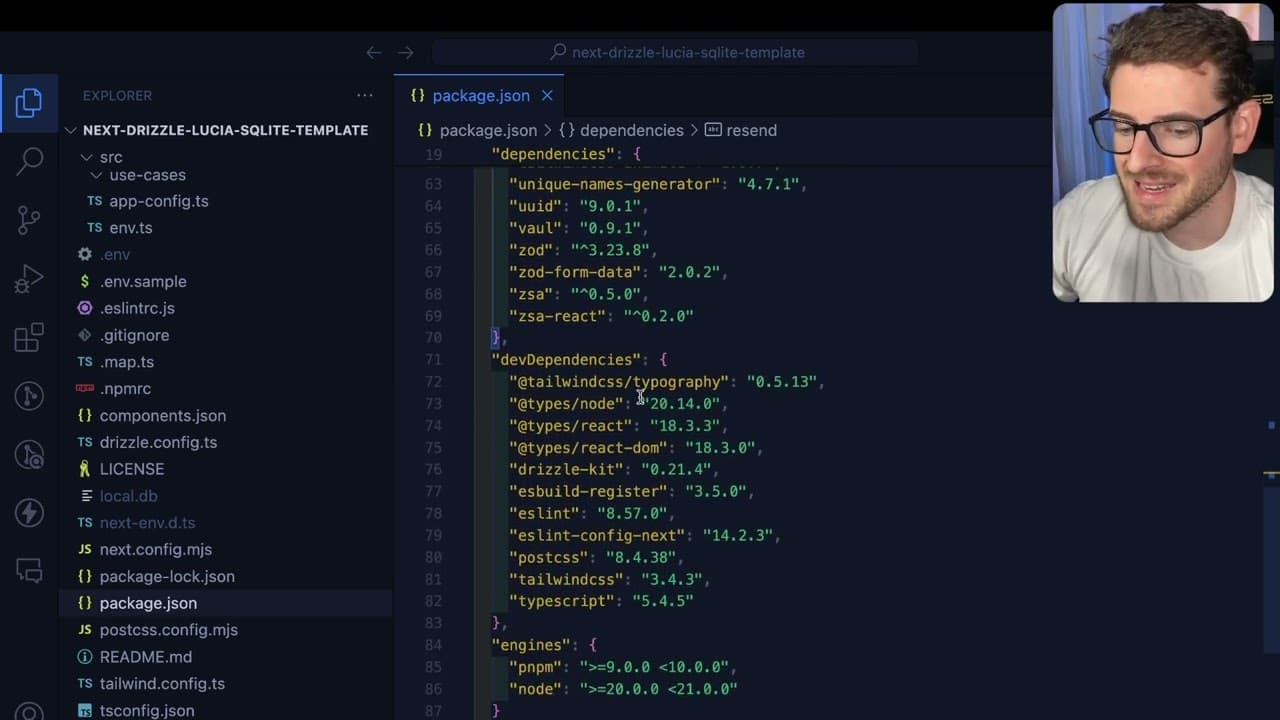
so if you don't already know there's been a recent supply chain attack with this polyfill by IO service I want to kind of talk about what this issue is and just give my opinions on this ecosystem I think there's a lot of issues with the ecosystem that a lot of developers don't even think about so let's first talk about what this issue is basically ... Read More
Key Insights
- 🥳 The polyfill.io attack serves as a warning about the importance of scrutinizing third-party services used in web projects.
- ✅ Developers should implement version locking and integrity checks to protect applications from dependency-related vulnerabilities.
- 📦 The JavaScript ecosystem's reliance on numerous packages increases the risk of security flaws, necessitating careful dependency management.
- 👨💻 A simplified coding approach, potentially using fewer dependencies, may enhance security without sacrificing functionality.
- 👤 Encouraging users to update their browsers can mitigate the challenges associated with supporting outdated systems via polyfills.
- 💍 Engaging in regular vulnerability assessments through tools like npm audit is a crucial part of maintaining application security.
- 😷 The interdependencies of libraries can mask vulnerabilities, making it critical for developers to continuously review their project's architecture.
Install to Summarize YouTube Videos and Get Transcripts
Explore YouTube Video Summarizer or Get YouTube Transcript Extractor
Questions & Answers
Q: What is the main issue related to the polyfill.io service?
The main issue with the polyfill.io service revolves around a recent supply chain attack where attackers modified code served from their CDN, leading users to be redirected to malicious websites. This situation underscores the risks of relying on third-party services for polyfills, prompting developers to consider safer alternatives.
Q: How does dependency management impact web application security?
Dependency management significantly impacts web application security since all third-party libraries introduce potential vulnerabilities. The authors argue that developers should closely monitor their dependencies and ensure they're using version locking and integrity checks to mitigate risks associated with code injection from malicious maintainers.
Q: What alternatives to polyfill services does the speaker recommend?
The speaker recommends using bundlers and creating a well-structured build process that allows for version locking and integrity checks. This approach ensures that developers have better control over the code and dependencies included in their projects, reducing the overall risk of integrating insecure or compromised libraries.
Q: Why is it problematic to frequently update dependencies?
Frequent updates of dependencies can be problematic because they might silently introduce vulnerabilities if the new versions contain malicious code. Developers might assume they are securing their applications by keeping dependencies updated but may inadvertently expose themselves to new risks if they don’t verify the integrity of those updates.
Q: What is the speaker's view on polyfill support for older browsers?
The speaker expresses skepticism about the necessity of supporting older browsers through polyfills, suggesting that developers should encourage users to update their browsers instead. This perspective emphasizes the potential security risks involved when attempting to maintain compatibility with outdated technologies.
Q: What point does the speaker make about the number of third-party dependencies?
The speaker highlights that JavaScript projects often include a multitude of third-party dependencies, leading to a complex web of potentially vulnerable code. They argue that each additional library heightens the risk of introducing security flaws and complicates the maintenance of the project.
Q: How can developers check for vulnerabilities in their dependencies?
Developers can use various tools, such as npm audit or Sneak, to identify known vulnerabilities in their dependencies. These tools help to assess the security posture of their projects by scanning installed packages and providing reports on any identified vulnerabilities.
Q: What is the significance of using a tool like HTMX as suggested by the speaker?
The significance of using HTMX lies in its minimalist approach to adding functionality without the overhead of numerous dependencies. The speaker suggests that HTMX can replace many JavaScript frameworks while maintaining usability, reducing the complexity and potential security risks associated with large dependency graphs.
Summary & Key Takeaways
-
The polyfill.io exploit illustrates vulnerabilities in content delivery networks that can redirect users to malicious sites, prompting a reevaluation of dependency management practices.
-
Developers are cautioned against using third-party libraries without stringent security measures, particularly in terms of version locking and integrity checks.
-
The excessive reliance on numerous dependencies in JavaScript projects poses a hidden risk of exploitation, making a push for simpler, streamlined coding approaches increasingly relevant.
Read in Other Languages (beta)
Share This Summary 📚
Summarize YouTube Videos and Get Video Transcripts with 1-Click
Try YouTube Summary with ChatGPT & Claude or YouTube Transcript Generator
Explore More Summaries from Web Dev Cody 📚



Summarize YouTube Videos and Get Video Transcripts with 1-Click
Try YouTube Summary with ChatGPT & Claude or YouTube Transcript Generator