Lysistrata by Aristophanes | Characters
TL;DR
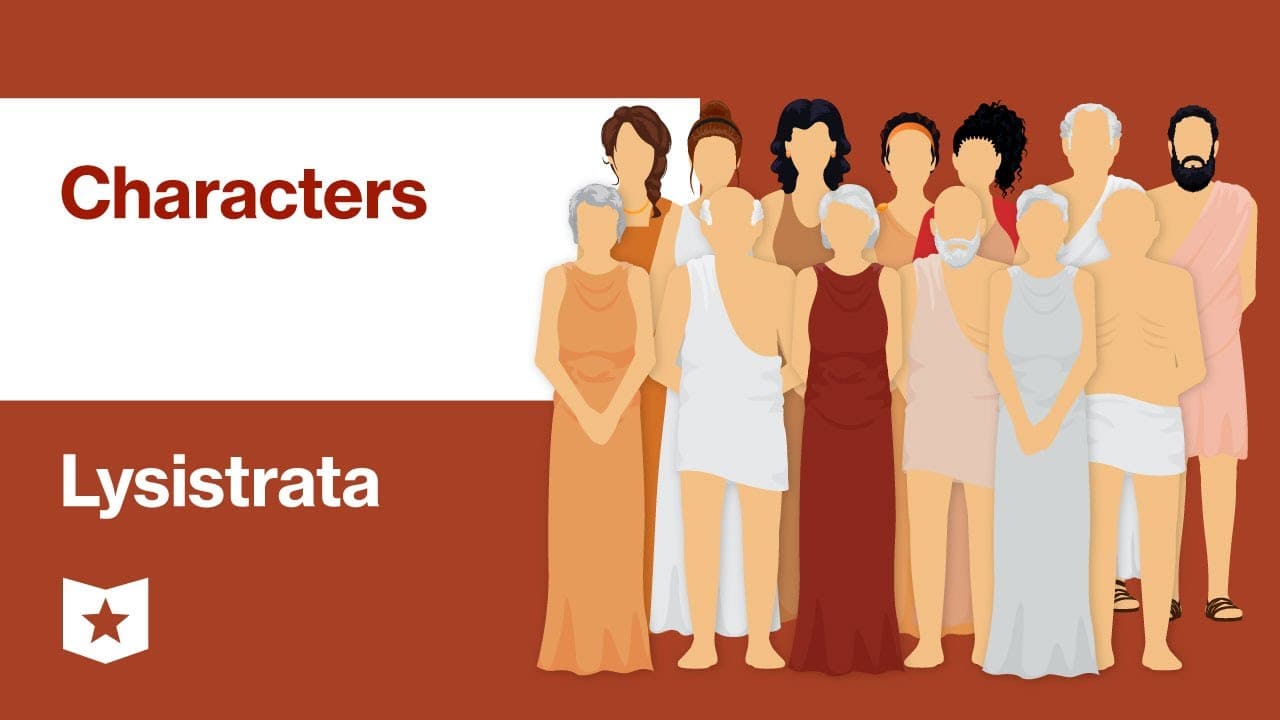
Lysistrata, Meera knee, Sanitas, Magistrate, Chorus - play's key characters and their roles.
Transcript
let's go over the main characters in Lysa strata the first is the play's namesake Lysa strata herself the play's protagonist is a cool headed strategist a strong rhetorician and an articulate spokesperson not just for women but for the Greek populace as a whole in her complex understanding of both domestic and political issues and her vision of a u... Read More
Key Insights
- 🪩 Lysistrata's strategic leadership mirrors Athena's wisdom and unity vision.
- 🧎♀️ Meera knee represents women's struggle for social change through non-traditional means.
- 💅 Sanitas' desperation highlights the impact of Lysistrata's sex strike strategy on men.
- ❓ The Magistrate and Chorus exemplify misogyny and clash with feminist actions.
- ✊ Character dynamics reflect societal gender expectations and power struggles.
- 🖐️ The play critiques traditional masculinity and advocates for female agency and empowerment.
- ✊ Symbolism of sex, power, and unity permeate the characters' actions and motivations.
Install to Summarize YouTube Videos and Get Transcripts
Explore YouTube Video Summarizer or Get YouTube Transcript Extractor
Questions & Answers
Q: How does Lysistrata parallel the goddess Athena and what is her main goal?
Lysistrata's name meaning "disbander of armies" reflects her goal of peace and unity, paralleling Athena's wisdom and her army's occupation of her temple.
Q: What role does Meera knee play in the play and what does she symbolize?
Meera knee symbolizes women's desire for social change through the sex strike, portraying the struggle and determination of women to effect change using their bodies.
Q: How does Sanitas' character reflect the effectiveness of Lysistrata's strategy?
Sanitas' desperation for both sex and normalcy showcases the effectiveness of Lysistrata's strategy of withholding sex to bring about peace and unity, demonstrating the impact on men.
Q: How do the Chorus of Old Men and Old Women contrast in the play?
The Chorus of Old Women, smarter and tougher, resist the Old Men's threat with water urns and initiate reconciliation. The Old Men, symbolic of traditional masculinity, are enraged by women's actions but lack real power.
Summary & Key Takeaways
-
Lysistrata is the clever protagonist advocating for peace and unity.
-
Meera knee is flighty and portrays the struggle of giving up sex.
-
Sanitas represents desperation for both sex and normalcy.
-
Magistrate and Chorus exhibit misogyny and traditional masculinity clash with feminist actions.
Read in Other Languages (beta)
Share This Summary 📚
Summarize YouTube Videos and Get Video Transcripts with 1-Click
Try YouTube Summary with ChatGPT & Claude or YouTube Transcript Generator
Explore More Summaries from Course Hero 📚




Summarize YouTube Videos and Get Video Transcripts with 1-Click
Try YouTube Summary with ChatGPT & Claude or YouTube Transcript Generator