How Can Cookies Be Stolen via XSS Attacks?
TL;DR
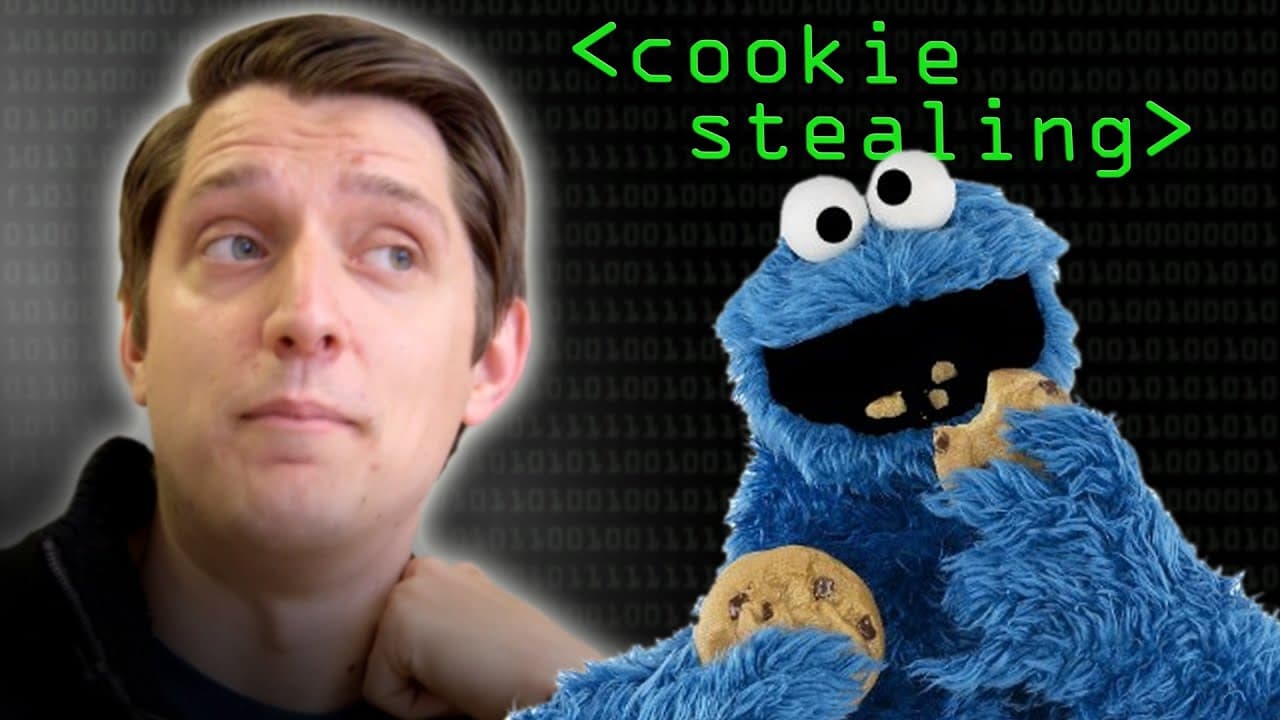
Cookies are essential for website functionality, but they can be stolen through cross-site scripting (XSS) attacks. By exploiting vulnerabilities in websites, attackers can inject malicious scripts to capture users' session cookies, allowing them to impersonate the user and access sensitive information. Implementing proper security measures is crucial to prevent such attacks.
Transcript
So I've been watching back over some old Computerphile videos as we all do and I was watching a video by Tom Rodden on cookies Rodden: How then do you do the little shopping carts? Pound: And he talks a lot about tracking cookies, which are a big deal, alright. And just a side note, I would say everyone should install Ghostery and stop people track... Read More
Key Insights
- 🥠 Cookies are essential for website functionality, but they can also be exploited by hackers.
- 😵 Cross-site scripting attacks allow hackers to steal cookies and gain unauthorized access to user accounts.
- 😵 Websites should implement proper security measures, such as input validation and output encoding, to prevent cross-site scripting vulnerabilities.
- 🤨 Users should be cautious when visiting websites and avoid entering sensitive information on non-secure or suspicious platforms.
- 👤 Awareness of cookie theft and its implications is crucial for both users and website developers.
- 👊 Proper authentication measures, such as re-entering credentials for sensitive actions, can mitigate the risk of cookie-based attacks.
- 😵 Regularly updating web applications and using secure coding practices can help prevent cross-site scripting vulnerabilities.
Install to Summarize YouTube Videos and Get Transcripts
Explore YouTube Video Summarizer or Get YouTube Transcript Extractor
Questions & Answers
Q: What is the purpose of cookies on websites?
Cookies are used to remember user information, such as login credentials, preferences, and shopping cart contents, allowing for a personalized browsing experience.
Q: How can cookies be stolen through cross-site scripting attacks?
In a cross-site scripting attack, a hacker injects malicious code into a vulnerable website. When a user visits that website, the injected code can execute and retrieve their cookie, sending it back to the attacker.
Q: What can a hacker do if they steal a user's cookie?
With a stolen cookie, a hacker can impersonate the user on the targeted website, potentially accessing their account, changing their details, or performing actions on their behalf.
Q: How can users protect themselves from cookie theft?
Users can protect themselves by installing browser extensions like Ghostery to block tracking cookies and being cautious when visiting unfamiliar or non-secure websites.
Summary & Key Takeaways
-
Cookies are used by websites to remember user information and enable features like shopping carts and personalized settings.
-
However, cookies can be stolen through cross-site scripting attacks, where a hacker injects malicious code into a vulnerable website.
-
By stealing a user's cookie, a hacker can impersonate the user and potentially gain access to their sensitive information or perform actions on their behalf.
Read in Other Languages (beta)
Share This Summary 📚
Summarize YouTube Videos and Get Video Transcripts with 1-Click
Try YouTube Summary with ChatGPT & Claude or YouTube Transcript Generator
Explore More Summaries from Computerphile 📚





Summarize YouTube Videos and Get Video Transcripts with 1-Click
Try YouTube Summary with ChatGPT & Claude or YouTube Transcript Generator