Fixing the debates: a better way to interrupt
TL;DR
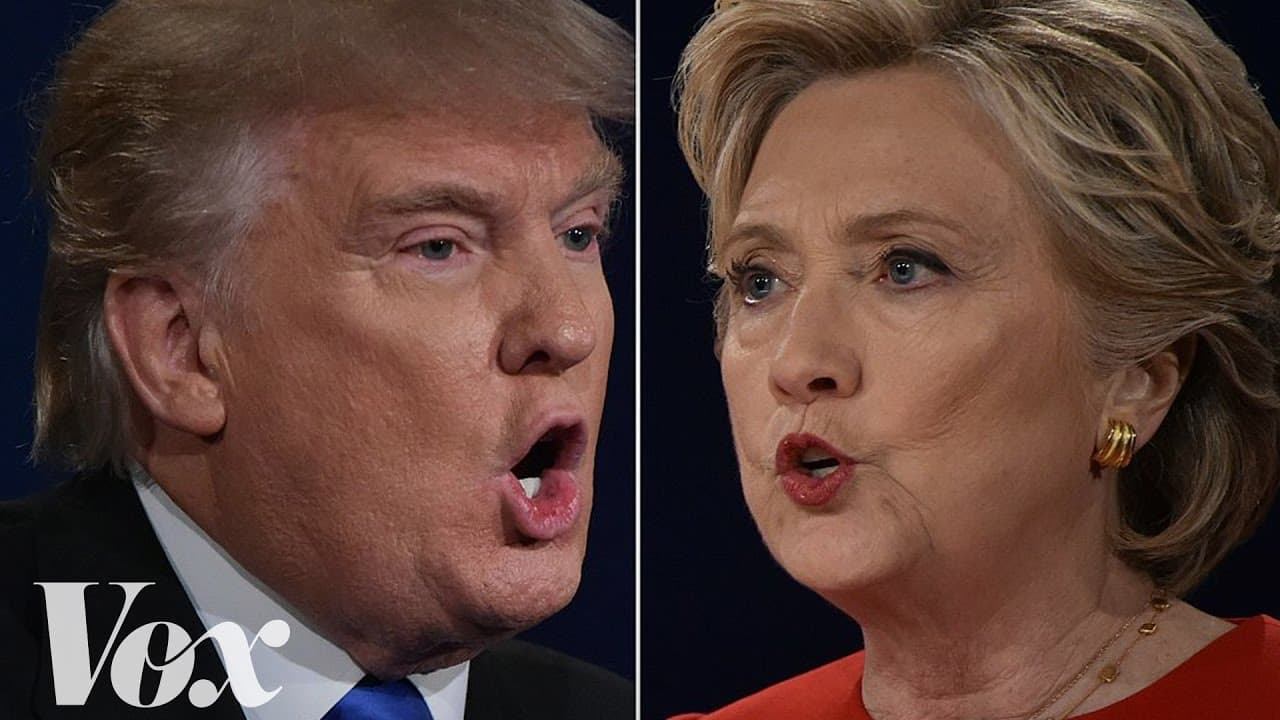
Debates need reform for better voter information.
Transcript
Moderator: "The republican candidate, Vice President Richard M. Nixon, and the democratic candidate, Senator John F. Kennedy." Presidential debates in The U.S. have become bigger and bigger spectacles. "Ronald Reagan's presidential plane as our backdrop." But a smaller share of Americans are actually watching them, compared to The '70s and '80s. Th... Read More
Key Insights
- Presidential debates have become more about spectacle than substance, leading to decreased viewer engagement compared to past decades.
- A bipartisan group suggests removing live audiences to prevent their reactions from influencing viewers at home.
- The current format allows candidates to focus on memorable one-liners rather than detailed policy discussions.
- Having network journalists as moderators may not serve the public's need for comprehensive debate coverage.
- The group proposes using retired judges, college presidents, or historians as moderators for a broader perspective.
- A chess clock model could encourage candidates to stay on topic and explain their positions thoroughly.
- The current debate format allows candidates to interrupt without providing substantial counterarguments.
- Reforming debates could help voters better understand candidates' policies and potential actions as president.
Install to Summarize YouTube Videos and Get Transcripts
Explore YouTube Video Summarizer or Get YouTube Transcript Extractor
Questions & Answers
Q: Why are fewer Americans watching presidential debates?
Fewer Americans are watching presidential debates because they have become more about spectacle than substance. The format often prioritizes memorable moments over detailed policy discussions, which may not provide the information voters need to make informed decisions.
Q: What impact does a live audience have on debates?
A live audience can influence viewers at home by reacting to candidates' statements, similar to a laugh track in sitcoms. This can cue viewers to perceive certain statements as more significant or entertaining, potentially swaying opinions without providing substantial information.
Q: What role do moderators currently play in debates?
Currently, moderators are typically network journalists who ask questions and manage the debate's flow. However, their focus on producing news and advancing a news agenda may not align with providing comprehensive coverage that meets the public's informational needs.
Q: What is the proposed chess clock model for debates?
The chess clock model allocates a set amount of time to each candidate, allowing them to manage their responses. Candidates would hit the clock to speak, encouraging them to stay on topic and provide detailed answers, reducing interruptions and one-liners.
Q: How could debates be improved according to the Annenberg group?
The Annenberg group suggests removing live audiences, using diverse moderators like retired judges or historians, and implementing a chess clock model. These changes aim to make debates more informative and focused on candidates' policies rather than their performance.
Q: Why might retired judges or historians be better moderators?
Retired judges or historians might be better moderators because they can offer a broader perspective and ask questions that reflect the electorate's needs. They are less likely to focus on creating newsworthy moments and more on facilitating meaningful discussions.
Q: What are the drawbacks of the current debate format?
The current debate format allows candidates to focus on delivering one-liners and interrupting opponents without providing substantial counterarguments. This approach can detract from meaningful policy discussions and limit voters' understanding of candidates' positions.
Q: How could the chess clock model change candidate interactions?
The chess clock model could change candidate interactions by requiring them to manage their speaking time and stay on topic. Interruptions would carry the responsibility to continue speaking, encouraging more detailed explanations and reducing the reliance on quick, superficial exchanges.
Summary & Key Takeaways
-
Presidential debates have evolved into major media events, but fewer Americans are watching them, possibly due to their lack of informative substance. A bipartisan group proposes reforms to make debates more useful for voters.
-
Removing live audiences could prevent their reactions from swaying viewers at home, making debates more focused on content rather than performance. The group also suggests alternative moderators to provide a wider range of questions.
-
A chess clock model for debates is proposed to ensure candidates stay on topic and provide detailed responses. This could reduce interruptions and one-liners, offering voters a clearer view of candidates' policies.
Read in Other Languages (beta)
Share This Summary 📚
Summarize YouTube Videos and Get Video Transcripts with 1-Click
Try YouTube Summary with ChatGPT & Claude or YouTube Transcript Generator
Explore More Summaries from Vox 📚


Summarize YouTube Videos and Get Video Transcripts with 1-Click
Try YouTube Summary with ChatGPT & Claude or YouTube Transcript Generator