How to Create Meaningful Change Through Aid Efforts

TL;DR
To create meaningful change in humanitarian aid, follow a three-step process: find an entry point, identify a gap, and establish a doable solution. This method was successfully applied to deliver $245 million in aid to over two and a half million war victims in Syria, proving that even amidst conflict, collaboration can lead to impactful outcomes.
Transcript
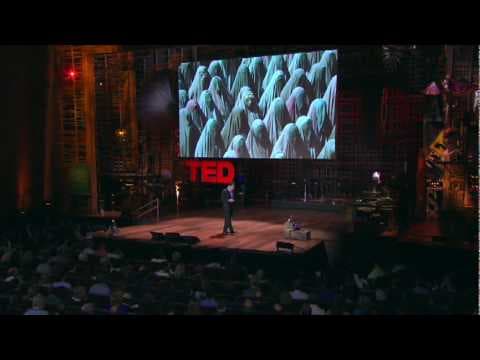
What happens when a Syrian refugee, an Israeli aid worker and an American Jew walk into a room? (Laughter) No, this is not the start of a really bad joke, I promise. This actually happened to me. Starting in 2015, I found myself holding a series of secret meetings in various European capitals with a small group of Syrian and Israeli civilians. And ... Read More
Key Insights
- 🌍 Syrians, Israelis, and Americans worked together to find a way to provide aid to Syrian people despite being sworn enemies and in a state of war since 1948.
- 🔗 A three-step process was applied to find an entry point, identify a gap, and then find a doable solution to fill that gap.
- 💔 The speaker's personal connection to the Syrian war, through her family's history during the Holocaust, motivated her to take action.
- 🌐 The Multifaith Alliance for Syrian Refugees was established to mobilize a Jewish and interreligious response focused on Syria, aiming to build bridges and save lives.
- 🤝 Finding an opportunity in Israel's proximity to southwest Syria, the speaker and her colleagues worked on lobbying governments to open the border for aid delivery through Operation Good Neighbor.
- 💰 Through Operation Good Neighbor, significant amounts of aid, worth $120 million, were delivered to an area with a population of 1.3 million people, including medical facilities, a bakery, and supplies.
- 🌟 The effort did not stop after the initial success, and aid deliveries were expanded to other hard-to-reach parts of Syria.
- 💼 The speaker also applied her formula to create change in other areas, such as establishing a sex crimes unit in the New York City Police Department and guiding corporations on workplace diversity regarding religious beliefs.
Install to Summarize YouTube Videos and Get Transcripts
Explore YouTube Video Summarizer or Get YouTube Transcript Extractor
Questions & Answers
Q: How did the speaker find herself in secret meetings with Syrian and Israeli civilians?
The speaker found herself in secret meetings with Syrian and Israeli civilians in various European capitals in an effort to figure out how to provide aid to the Syrian people during their humanitarian crisis.
Q: Why did the speaker believe it was possible to find common ground between Syrians and Israelis?
Despite being sworn enemies and in a state of war since 1948, the speaker believed it was possible to find common ground between Syrians and Israelis because they were both trying to address the humanitarian crisis in Syria and save lives.
Q: What three steps did the speaker apply to find a way to deliver aid to Syria through Israel?
The speaker applied a three-step process: find an entry point, identify a gap, and find something doable to fill that gap. By finding the entry point of using Israel as a staging area for aid delivery, they were able to identify the gap in access to southwest Syria and fill it with aid deliveries.
Q: How did the speaker mobilize a Jewish and interreligious response in the United States focused on Syria?
The speaker mobilized a Jewish response first and then scaled it up to an interreligious response in the United States. This effort became known as the Multifaith Alliance for Syrian Refugees, which now has over 100 partner organizations working towards providing aid and support.
Q: How did the speaker and her colleagues successfully deliver aid to southwest Syria through Israel?
After lobbying various governments and organizations, the Israeli government launched "Operation Good Neighbor" in September 2016, officially allowing aid to be facilitated and sent from Israel into Syria. Through this operation, massive amounts of aid were delivered, including medical facilities, food, clothing, and more, ultimately helping stabilize the region.
Summary & Key Takeaways
-
A Jewish aid worker, a Syrian refugee, and an American Jew came together to figure out how to get aid to Syrian people during the humanitarian crisis.
-
They found a way to get aid into Syria by using Israel as a staging area for the delivery of humanitarian aid.
-
Through their efforts, they delivered $245 million worth of aid to over two and a half million war victims in Syria.
Read in Other Languages (beta)
Share This Summary 📚
Summarize YouTube Videos and Get Video Transcripts with 1-Click
Try YouTube Summary with ChatGPT & Claude or YouTube Transcript Generator
Explore More Summaries from TED 📚




Summarize YouTube Videos and Get Video Transcripts with 1-Click
Try YouTube Summary with ChatGPT & Claude or YouTube Transcript Generator