Where optical illusions and misinformation meet | Michelle Campion | TEDxATU Donegal
TL;DR
Our brains interpret reality through senses, creating illusions and biases.
Transcript
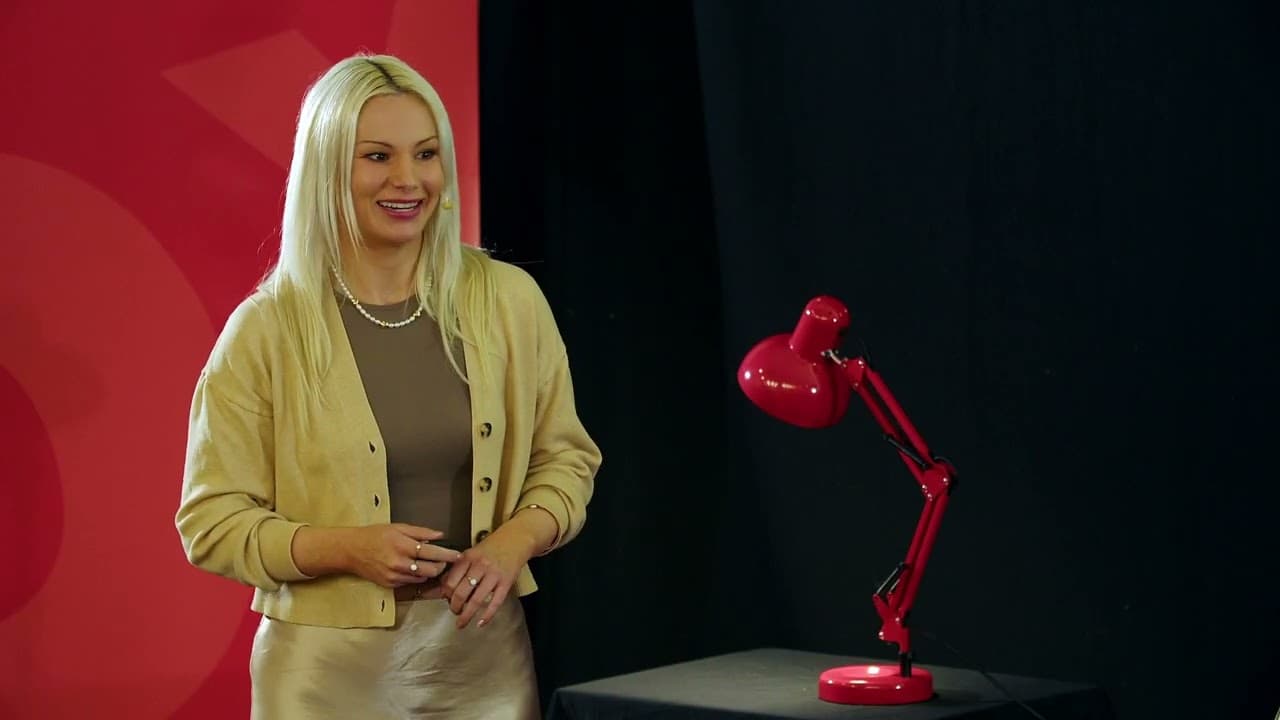
okay hello my name is Michelle um I'm post-doctoral researcher and a part-time lecture at at gway um and I have a background in Neuroscience research so today I'm going to be talking to you about the way that our brains process optical illusion imagery and how that process relates to the way that we perceive the world around us in general so um act... Read More
Key Insights
- 🥺 Our brain processes sensory information to interpret reality, but past experiences can lead to illusions and biases.
- 🧠 Optical illusions exemplify how our brains predict and make assumptions about visual cues.
- 🧠 The brain's prediction system compensates for perceptual delays by predicting probable outcomes.
- ❓ Illusions challenge our perceptions and highlight that reality may not always align with our assumptions.
- 💁 Seeking out diverse perspectives and verified information helps fine-tune our perception of reality and promotes empathy.
- 🙂 Illusions serve as reminders that our brains can be tricked by light, leading to distorted perceptions of reality.
- 🤔 Understanding how illusions affect our perception can lead to better critical thinking and reduced biases.
Install to Summarize YouTube Videos and Get Transcripts
Explore YouTube Video Summarizer or Get YouTube Transcript Extractor
Questions & Answers
Q: How do optical illusions demonstrate the brain's perception of reality?
Optical illusions trick our visual cortex into misinterpreting visual cues, showcasing how our brains predict and make assumptions about reality based on past experiences.
Q: What is the significance of the Phantom words illusion in understanding brain processing?
The Phantom words illusion highlights how our brains seek patterns and make sense of sounds, even hearing words that aren't there, emphasizing our brain's tendency to create perceptions.
Q: How did the neurological study on the blue-black/white-gold dress illustrate perceptual differences?
The study showed that individuals' assumptions based on their waking patterns influenced their perception of the dress's colors, emphasizing how internal biases can alter visual interpretations.
Q: Why is our brain's prediction system crucial in navigating the world?
Our brain's ability to predict outcomes based on past experiences enhances our navigation and decision-making by compensating for perceptual delays, allowing us to respond effectively to our surroundings.
Summary & Key Takeaways
-
The brain processes sensory information to make sense of reality but can create illusions due to past experiences.
-
Optical illusions showcase how our brains perceive ambiguous visual cues, leading to distortions.
-
Illusions reveal how our brains predict and make assumptions, impacting our perception of reality.
Read in Other Languages (beta)
Share This Summary 📚
Summarize YouTube Videos and Get Video Transcripts with 1-Click
Try YouTube Summary with ChatGPT & Claude or YouTube Transcript Generator
Explore More Summaries from TEDx Talks 📚





Summarize YouTube Videos and Get Video Transcripts with 1-Click
Try YouTube Summary with ChatGPT & Claude or YouTube Transcript Generator