How India ran out of oxygen
TL;DR
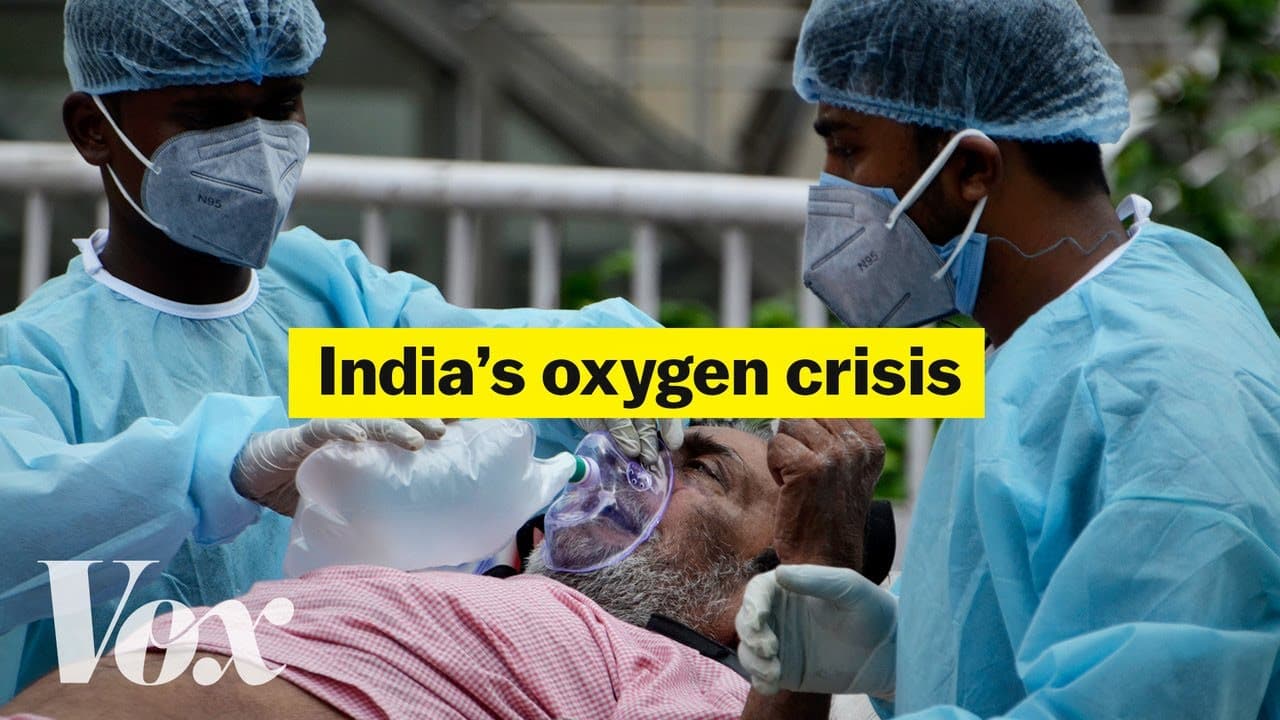
India's oxygen shortage during Covid-19 led to avoidable deaths.
Transcript
It was the middle of the night on May 12th, when this hospital in Goa hit a breaking point. I got a SOS message from one of the doctors at GMC, the Goa Medical College. She reported that she had no oxygen coming in the central pipeline of her ward. At about 2:00 we got through to some officials and they told us nothing like this was happening at al... Read More
Key Insights
- India faced a severe oxygen shortage during the second wave of Covid-19 in 2021, leading to numerous avoidable deaths as hospitals ran out of oxygen supply.
- The country’s oxygen supply chain is complex, involving multiple steps from production to delivery, with transportation being a significant weak link, especially over long distances.
- Approximately 85% of oxygen produced in India is used in commercial industries, with only 15% allocated for medical purposes, highlighting a critical mismatch during health crises.
- Past incidents, like the 2017 oxygen shortage in Uttar Pradesh, indicate systemic issues in India's oxygen supply chain, exacerbated by government inaction and delayed payments.
- Despite warnings, the Indian government failed to prepare adequately for the oxygen demand surge, with only 33 out of 162 promised oxygen plants operational by the time of the crisis.
- Political priorities, including large gatherings for elections, contributed to the rapid spread of Covid-19, worsening the oxygen crisis and highlighting government mismanagement.
- The global south, with low vaccination rates, faces similar risks, as evidenced by oxygen shortages in countries like Nepal, Sudan, and Argentina.
- India's experience serves as a cautionary tale of the importance of preparedness and the potential consequences of underestimating pandemics, as emphasized by Dr. Fauci.
Install to Summarize YouTube Videos and Get Transcripts
Explore YouTube Video Summarizer or Get YouTube Transcript Extractor
Questions & Answers
Q: What caused the oxygen shortage in India during the Covid-19 pandemic?
The oxygen shortage in India was primarily caused by a sharp increase in Covid-19 cases, which led to a surge in demand for medical oxygen. The existing supply chain, which is complex and involves long-distance transportation, was unable to meet this demand efficiently. Additionally, a significant portion of oxygen production is allocated to commercial industries, leaving insufficient supply for medical needs during the crisis.
Q: How did the Indian government respond to the oxygen crisis?
The Indian government faced criticism for its delayed response to the oxygen crisis. Despite warnings, the government was slow to establish new oxygen plants, with only 33 out of 162 promised plants operational by the time the crisis peaked. The government also redirected industrial oxygen supplies to hospitals and enlisted the help of the Indian Air Force and Indian Railways for distribution. However, these measures were seen as temporary fixes rather than long-term solutions.
Q: What role did transportation play in India's oxygen supply issues?
Transportation played a crucial role in India's oxygen supply issues, as the supply chain involves moving oxygen across long distances from manufacturing plants to hospitals. Many manufacturers do not deliver beyond a 50-kilometer radius, and those that do often charge extra, making the distribution process inefficient. The long distances also risk compromising the oxygen quality, contributing to the crisis during the pandemic.
Q: What historical events highlight systemic issues in India's oxygen supply chain?
The 2017 oxygen shortage in a state-run hospital in Uttar Pradesh is a notable historical event that highlights systemic issues in India's oxygen supply chain. During a viral outbreak, the hospital ran out of oxygen due to delayed payments and supply cutoffs, leading to the deaths of at least 60 children. This incident, along with the Covid-19 crisis, underscores the persistent challenges in ensuring a reliable oxygen supply.
Q: How did political activities contribute to the oxygen crisis in India?
Political activities, such as large election rallies, contributed to the spread of Covid-19, exacerbating the oxygen crisis in India. Despite the rising cases, political leaders, including Prime Minister Modi, continued to hold mass gatherings, which likely accelerated the virus's transmission. This focus on political priorities over pandemic management highlighted a disconnect between government actions and public health needs.
Q: What lessons can other countries learn from India's oxygen crisis?
Other countries can learn the importance of preparedness and the risks of underestimating pandemics from India's oxygen crisis. Ensuring a robust and efficient supply chain for medical essentials, like oxygen, is crucial. Governments should prioritize public health over political activities and heed early warnings to prevent similar crises. Dr. Fauci emphasized that India's situation serves as a reminder of what the virus can do if not managed effectively.
Q: How did global factors influence the oxygen crisis in India?
Global factors, such as low vaccination rates in the global south, influenced the oxygen crisis in India by leaving large populations vulnerable to Covid-19 infections. The pandemic's global nature meant that many countries faced similar challenges, with oxygen shortages reported in places like Nepal, Sudan, and Argentina. International aid, including oxygen equipment and supplies, played a role in temporarily alleviating India's crisis.
Q: What steps have been taken to address the oxygen supply issues in India post-crisis?
Post-crisis, the Indian government has promised to establish over 1,000 new oxygen plants to address supply issues. However, the completion of these plants and the effectiveness of these measures remain to be seen. The government has also redirected industrial oxygen supplies to hospitals and sought international assistance to manage the immediate crisis. Long-term solutions and infrastructure improvements are needed to prevent future shortages.
Summary & Key Takeaways
-
In April 2021, India experienced a dramatic rise in Covid-19 cases, leading to an overwhelming demand for medical oxygen, which the country struggled to meet, resulting in many preventable deaths.
-
The oxygen supply chain in India is intricate, with significant challenges in transportation and distribution, particularly over long distances, which contributed to the crisis during the pandemic.
-
Despite prior warnings and past oxygen shortages, the Indian government's response was inadequate, with critical delays in establishing promised oxygen plants and a focus on political activities over pandemic management.
Read in Other Languages (beta)
Share This Summary 📚
Summarize YouTube Videos and Get Video Transcripts with 1-Click
Try YouTube Summary with ChatGPT & Claude or YouTube Transcript Generator
Explore More Summaries from Vox 📚



Summarize YouTube Videos and Get Video Transcripts with 1-Click
Try YouTube Summary with ChatGPT & Claude or YouTube Transcript Generator