when you don't feel knowledgable enough to speak up
TL;DR
Many people feel unqualified to discuss topics they know well, leading to self-doubt in sharing knowledge.
Transcript
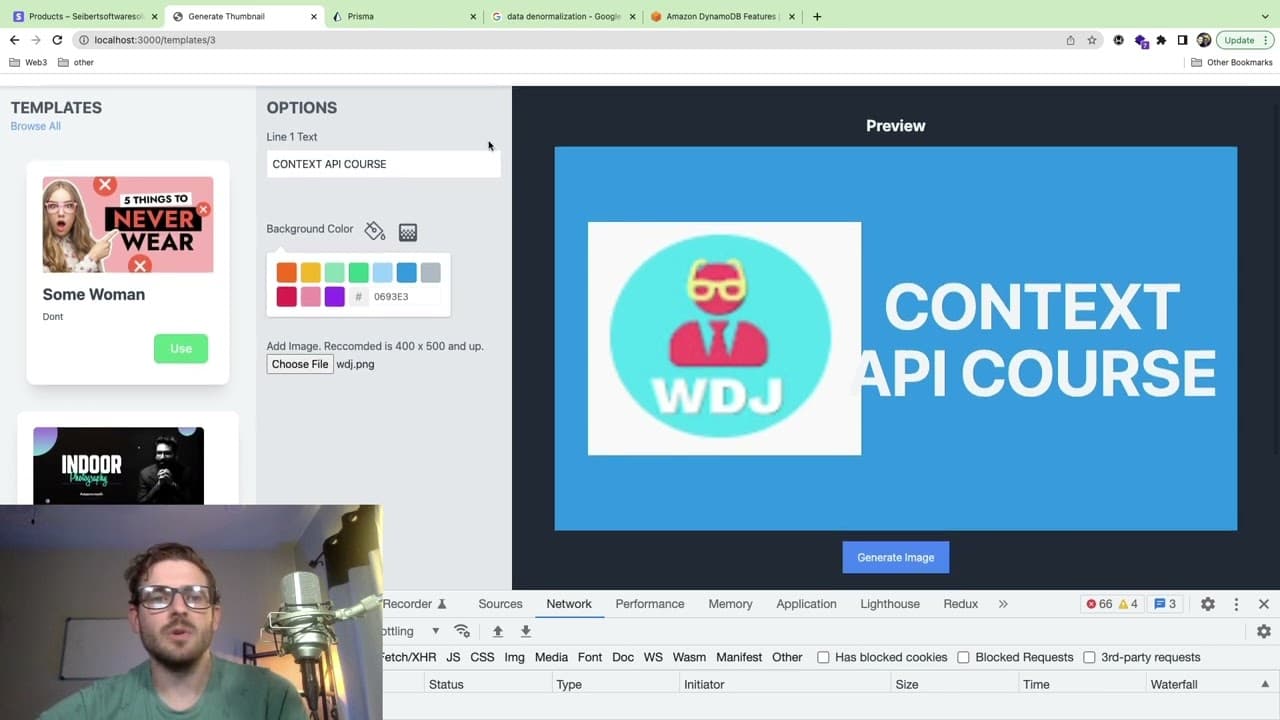
all right so people seem to like videos where i just kind of like ramble on and rant about stuff and you know be true or what's the word uh be authentic and one of those things one of those topics i kind of want to touch on is when you don't feel like you're in authority to talk about a topic right so i get this a lot when i make videos like i even... Read More
Key Insights
- 🤳 The struggle with self-doubt is prevalent among those in technical fields, often limiting their willingness to share knowledge.
- 🧑 Personal experiences and insights can provide unique value, even if a person doesn't feel like an expert.
- 👤 The focus on user experience should guide developers more than technical specifics, aligning development with user needs.
- 👻 Engaging with a community allows for feedback that can enhance personal growth and foster continual learning.
- ❓ Technical discussions can benefit from diverse perspectives, emphasizing that every voice contributes value.
- 🧑💻 Content creation in tech should prioritize authenticity over perfection to foster genuine conversations.
- 😨 Fear of criticism is common, but constructive feedback can facilitate development and increase confidence.
Install to Summarize YouTube Videos and Get Transcripts
Explore YouTube Video Summarizer or Get YouTube Transcript Extractor
Questions & Answers
Q: Why do people often feel unqualified to discuss topics they know?
Many individuals experience self-doubt about their expertise, questioning whether they have mastered a subject enough to speak on it. This feeling can arise from comparisons with others in the field or fear of making mistakes, which can discourage people from sharing their knowledge, despite their background and experience.
Q: How can one overcome self-doubt when sharing knowledge?
To combat self-doubt, one should focus on their experiences and the unique insights they possess. Remembering that there are many people who are still learning is crucial. Sharing knowledge helps others, and feedback from the audience can be constructive, reinforcing personal growth and confidence in one's expertise.
Q: What role does user experience play in software development?
User experience is paramount in software development, often taking precedence over the technical intricacies of how features are implemented. Users prioritize functionality and ease of use over the underlying technology, so developers should focus on creating applications that serve user needs effectively, regardless of the technical choices made.
Q: Why is it important to share experiences, even with a perceived lack of expertise?
Sharing experiences, regardless of perceived knowledge level, contributes to the broader community by providing diverse perspectives. It fosters an environment where learning is continuous, and others may benefit from different viewpoints—even if they are less experienced. Everyone's perspective can spark valuable discussions and improvements.
Q: How can community feedback help in the growth of a developer?
Community feedback can provide new insights and perspectives, allowing a developer to reassess their understanding and methods. Engaging with viewers and stakeholders opens up opportunities for learning, refining skills, and gaining a broader grasp of best practices, enhancing overall competence in the field.
Q: What can hinder the willingness to create content in the tech space?
Fear of making mistakes, receiving negative feedback, or not achieving perfection can deter individuals from creating content. This apprehension may stem from the critical nature of online audiences or past experiences with harsh comments, causing a reluctance to share valuable insights due to insecurity.
Q: Why is it emphasized that there’s no perfect way to approach development?
The assertion that there's no 'perfect' way to approach development underscores the reality that software solutions should be practical and user-centric rather than technically flawless. Success is measured by meeting user needs and achieving functionality, which may vary across different projects and contexts.
Q: How can one build confidence in their speaking or content creation abilities?
Building confidence requires practice and a willingness to embrace imperfection. Regularly sharing thoughts and experiences, regardless of their completeness, helps validate one's contributions. Engaging with supportive communities can further bolster self-assurance, ultimately leading to a richer learning experience for both the individual and their audience.
Summary & Key Takeaways
-
The content explores the common struggle of feeling unqualified to discuss technical subjects, even when possessing experience and knowledge.
-
The speaker shares personal experiences with self-doubt, specifically related to creating content about DynamoDB and tech topics.
-
Emphasizing that everyone has a unique perspective, the content encourages individuals to share their insights despite fears of making mistakes or facing criticism.
Read in Other Languages (beta)
Share This Summary 📚
Summarize YouTube Videos and Get Video Transcripts with 1-Click
Try YouTube Summary with ChatGPT & Claude or YouTube Transcript Generator
Explore More Summaries from Web Dev Cody 📚

Summarize YouTube Videos and Get Video Transcripts with 1-Click
Try YouTube Summary with ChatGPT & Claude or YouTube Transcript Generator