Five Ways to Use History Well | Frank Gavin

TL;DR
Applying historical knowledge and methodology can provide policymakers with a deeper understanding of the world and improve the quality of decision-making.
Transcript
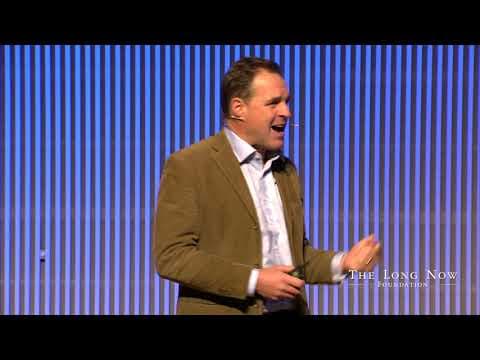
[Applause] hi I'm Stuart Brandt from the long now foundation Frank Gavin comes for me from a conference that I went to that pyramidal Pierre Omidyar helped fund and they had a longer term for it but it was basically applied history how can history be used better decision-making how has it been used badly and decision-making in the past historians w... Read More
Key Insights
- 💄 Policymakers often overlook the value of historical perspectives in decision-making processes.
- 🆘 Historical analysis can help policymakers recognize the origins, consequences, and unintended outcomes of events and policies.
- 🥺 Oversimplifying historical events or making false analogies can lead to misguided policies.
- ❓ Understanding the complexities, uncertainties, and ambiguities of historical events can enhance decision-making.
- 🥺 Collaboration between historians and policymakers can lead to a more holistic and insightful approach to policy-making.
Install to Summarize YouTube Videos and Get Transcripts
Explore YouTube Video Summarizer or Get YouTube Transcript Extractor
Questions & Answers
Q: What are some common misuses of history in policy-making?
One common misuse is making false analogies from the past, such as comparing a dictator to Hitler. Another is failing to recognize the role of unintended consequences and the complexities and uncertainties that historical events and policies can entail.
Q: How can policymakers avoid making false analogies from historical events?
Policymakers should be cautious of oversimplifying historical events and recognize the unique contexts and complexities of each situation. They should consult historians for a more nuanced understanding and be willing to challenge simplistic narratives.
Q: How can historical analysis help policymakers understand the consequences of their decisions?
Historical analysis can help policymakers identify patterns and trends that shape the policy environment, recognize the long-term consequences of events and policies, and understand the unintended outcomes and dilemmas that may arise. This can lead to more deliberate and thoughtful decision-making.
Q: What potential benefits can arise from a collaboration between historians and policymakers?
Historians can provide policymakers with a deeper understanding of the past, uncovering complex connections and consequences. Policymakers can benefit from historical insights to better navigate the complexities and uncertainties of the policy world. Additionally, historians can make their work more relevant and accessible to policymakers, ensuring a broader impact.
Summary & Key Takeaways
-
Historians and policymakers rarely collaborate, resulting in missed opportunities for insight and guidance in decision-making processes.
-
Historical analysis can uncover the origins and consequences of important events and policies that may not be readily apparent.
-
Policymakers often overlook the long-term consequences and unintended outcomes of their decisions.
-
Historical perspectives can help policymakers understand the complexities, uncertainties, and ambiguities that shape the policy environment.
-
Understanding the significance of historical events can provide a more holistic view and challenge simplistic narratives.
Read in Other Languages (beta)
Share This Summary 📚
Summarize YouTube Videos and Get Video Transcripts with 1-Click
Try YouTube Summary with ChatGPT & Claude or YouTube Transcript Generator
Explore More Summaries from Long Now Seminars 📚




Summarize YouTube Videos and Get Video Transcripts with 1-Click
Try YouTube Summary with ChatGPT & Claude or YouTube Transcript Generator