The quiet epidemic of soldiers haunted by what they did during wartime
TL;DR
Soldiers face moral injury from wartime actions, causing long-term psychological distress.
Transcript
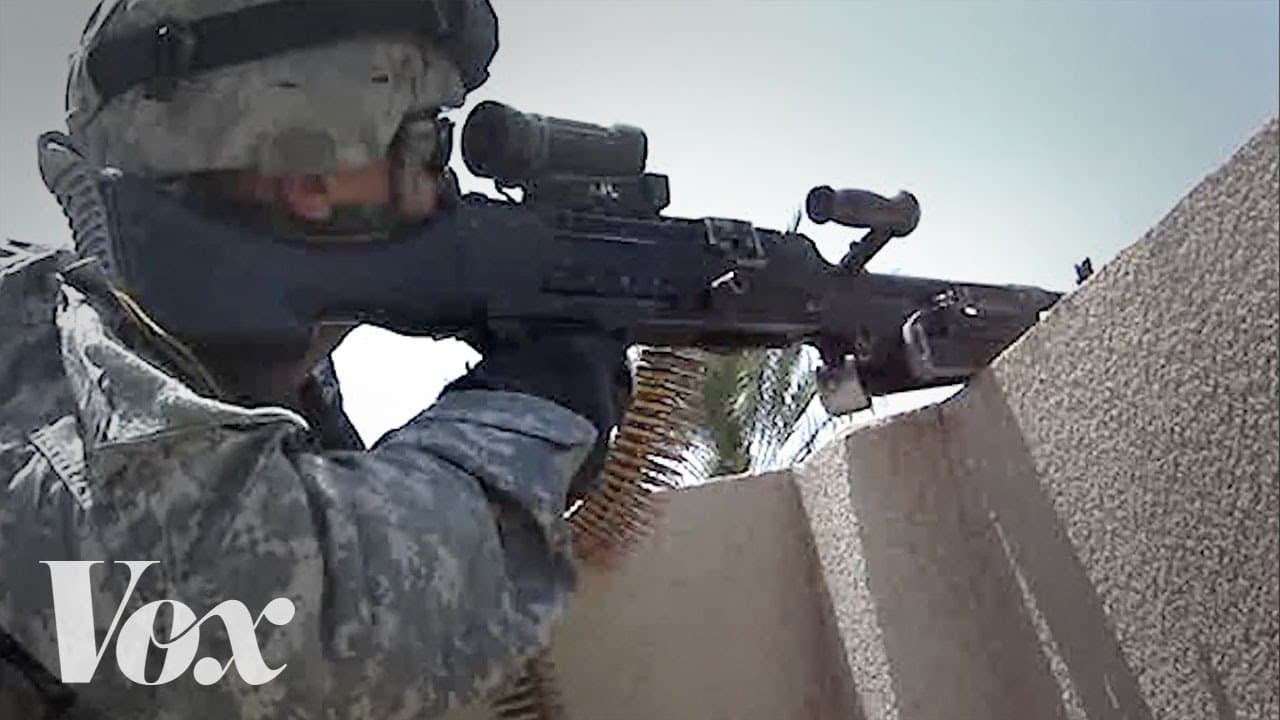
Gunfire We all got on rooftops and started shooting. Rapid gunfire So, I launched grenades and to a fixpoint do if there was an insurgent more a mother of 10 or an astronomer or the future Nobel prize-winning scientist or a murderer or rapist like it didn't matter who was there they're gonna catch that... Explosions and cheering So it's all the mo... Read More
Key Insights
- The concept of moral injury arises when soldiers are haunted by actions taken during wartime, leading to significant psychological distress.
- War situations often require soldiers to make split-second decisions in morally ambiguous environments, which can later lead to moral anxiety and hurt.
- The dissonance between a soldier's perceived identity as a good person and their wartime actions creates long-lasting internal conflict.
- Moral injury is characterized by the re-emergence of moral values after they were temporarily suspended during combat, causing internal turmoil.
- Soldiers often struggle with reconciling their wartime actions with their civilian lives, questioning their moral integrity and identity.
- The process of processing moral injury can take years, with soldiers continuously questioning the morality of their past actions.
- The moral ambiguity of war challenges soldiers' pre-existing moral frameworks, often leading to a re-evaluation of their values post-deployment.
- Moral injury is distinct from other psychological conditions as it specifically involves a conflict with one's moral beliefs and values.
Install to Summarize YouTube Videos and Get Transcripts
Explore YouTube Video Summarizer or Get YouTube Transcript Extractor
Questions & Answers
Q: What is moral injury as discussed in the video?
Moral injury, as discussed in the video, is a psychological phenomenon experienced by soldiers who are haunted by actions taken during wartime. These actions often conflict with their moral beliefs and values, leading to significant internal conflict and distress. This condition is characterized by a deep sense of moral anxiety and hurt, as soldiers grapple with the dissonance between their perceived identity as good people and their wartime actions.
Q: How do soldiers experience moral injury?
Soldiers experience moral injury when they are forced to make split-second decisions in morally ambiguous environments during wartime. These decisions, such as whether to shoot a perceived threat, often conflict with their pre-existing moral values. Over time, as soldiers reflect on their actions, they may experience significant psychological distress, questioning their moral integrity and struggling to reconcile their wartime actions with their civilian lives.
Q: What causes the internal conflict associated with moral injury?
The internal conflict associated with moral injury is caused by the dissonance between a soldier's perceived identity as a good person and the morally ambiguous actions they take during wartime. This conflict arises when soldiers, who view themselves as moral individuals, are forced to take actions that contradict their values. This dissonance can lead to long-lasting psychological distress, as soldiers continuously question the morality of their past actions.
Q: How does moral injury differ from other psychological conditions?
Moral injury differs from other psychological conditions in that it specifically involves a conflict with one's moral beliefs and values. While other conditions, such as PTSD, may involve fear or trauma, moral injury is characterized by a deep sense of moral anxiety and hurt. It involves a re-evaluation of one's moral identity and values, as soldiers grapple with the moral ambiguity of their wartime actions and the re-emergence of their moral values post-deployment.
Q: What role does moral ambiguity play in moral injury?
Moral ambiguity plays a significant role in moral injury, as soldiers are often forced to make decisions in morally complex environments during wartime. These decisions, such as whether to shoot a perceived threat, can conflict with their pre-existing moral values. This ambiguity challenges soldiers' moral frameworks, leading to a re-evaluation of their values and causing long-lasting internal conflict and distress as they question the morality of their actions.
Q: How do soldiers reconcile their wartime actions with their civilian lives?
Reconciling wartime actions with civilian lives is a challenging process for soldiers experiencing moral injury. They often struggle with the dissonance between their perceived identity as good people and the morally ambiguous actions taken during war. This process involves a re-evaluation of their moral values and identity, as soldiers continuously question the morality of their past actions and seek to integrate their wartime experiences into their civilian lives.
Q: What is the long-term impact of moral injury on soldiers?
The long-term impact of moral injury on soldiers includes significant psychological distress, as they grapple with the dissonance between their perceived identity as good people and their wartime actions. This condition can lead to a continuous questioning of their moral integrity and values, causing long-lasting internal conflict and anxiety. The process of processing moral injury can take years, as soldiers seek to reconcile their actions with their civilian lives and moral beliefs.
Q: Why is moral injury considered a unique psychological phenomenon?
Moral injury is considered a unique psychological phenomenon because it specifically involves a conflict with one's moral beliefs and values, rather than fear or trauma. It is characterized by a deep sense of moral anxiety and hurt, as soldiers grapple with the moral ambiguity of their wartime actions and the re-emergence of their moral values post-deployment. This condition involves a re-evaluation of one's moral identity, leading to long-lasting internal conflict and distress.
Summary & Key Takeaways
-
The video discusses the concept of moral injury, a psychological phenomenon where soldiers experience distress due to actions taken during wartime. It highlights the moral complexities and split-second decisions soldiers face, which can lead to long-term internal conflict and questioning of their moral identity.
-
Moral injury arises when soldiers, who perceive themselves as good people, are forced to take actions that conflict with their moral beliefs. This dissonance creates a lasting psychological impact, as soldiers struggle to reconcile their actions with their civilian lives and moral values.
-
The video emphasizes the challenges soldiers face in processing moral injury, as they grapple with the moral ambiguity of war and the re-emergence of their moral values post-deployment. It underscores the unique nature of moral injury, which involves a deep conflict with one's moral beliefs.
Read in Other Languages (beta)
Share This Summary 📚
Summarize YouTube Videos and Get Video Transcripts with 1-Click
Try YouTube Summary with ChatGPT & Claude or YouTube Transcript Generator
Explore More Summaries from Vox 📚



Summarize YouTube Videos and Get Video Transcripts with 1-Click
Try YouTube Summary with ChatGPT & Claude or YouTube Transcript Generator