Why movies tilt the camera like this
TL;DR
The Dutch angle adds tension and intrigue to film scenes.
Transcript
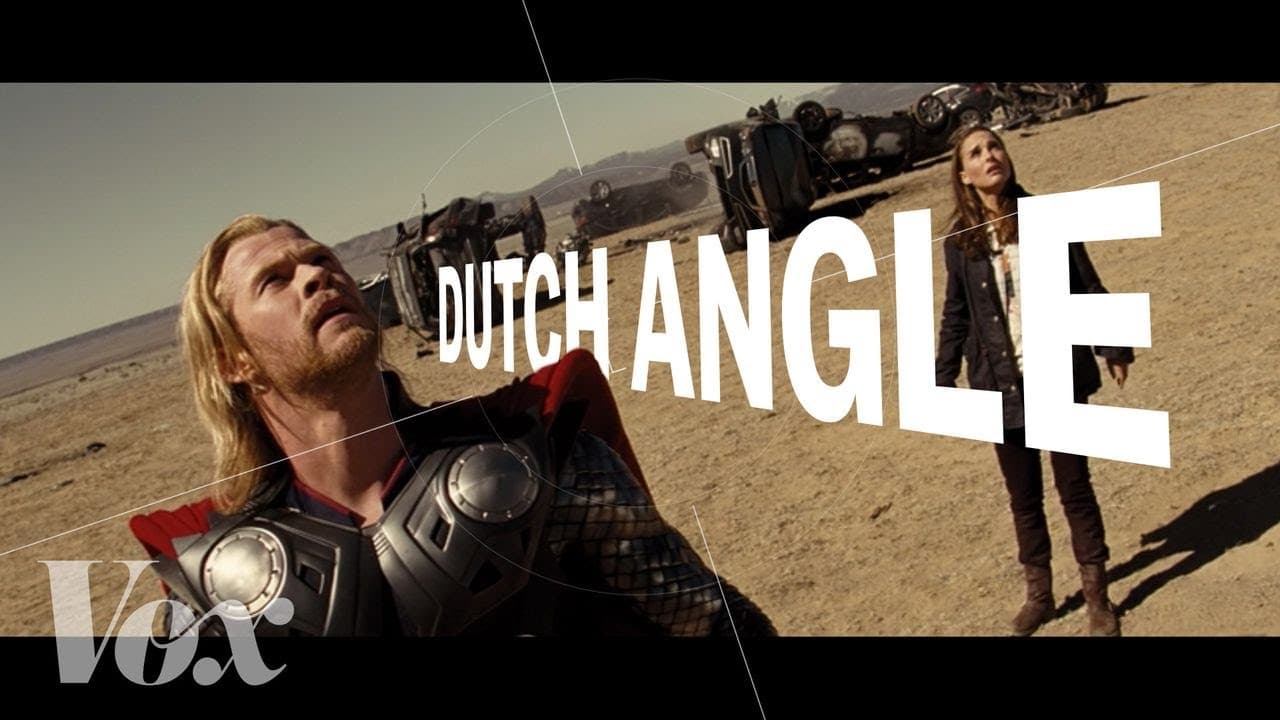
Filmmakers use a lot of tricks to up the anxiety of a scene. Music... Sound mixing... Lighting, color... And then there’s this trick: An ever-so-slight tilt of the camera. Even without all of the other stuff, the second you take the world off its axis, things start to feel a little off. Or at least a little more interesting. That camera tilt, whi... Read More
Key Insights
- The Dutch angle, often used in films, involves tilting the camera to create a sense of unease or intrigue, originating from German Expressionism.
- Despite its name, the Dutch angle is not Dutch but derives from the German word 'Deutsch,' reflecting its German origins.
- German filmmakers during World War I pioneered the Dutch angle due to a ban on foreign films, leading to a unique cinematic style.
- Expressionism, characterized by distorted figures and unrealistic colors, heavily influenced the Dutch angle's development in film.
- The 1920 film 'The Cabinet of Dr. Caligari' showcased the Dutch angle through tilted sets, revolutionizing film set design.
- The Dutch angle became prominent in noir films and thrillers, with directors like Hitchcock incorporating it to heighten tension.
- By the 1960s, the Dutch angle found its way into various genres, including action, musicals, and comedies, becoming a cinematic staple.
- Contemporary filmmakers like Spike Lee and Tim Burton effectively use the Dutch angle to maintain the expressionist spirit in modern films.
Install to Summarize YouTube Videos and Get Transcripts
Explore YouTube Video Summarizer or Get YouTube Transcript Extractor
Questions & Answers
Q: What is the Dutch angle and how is it used in filmmaking?
The Dutch angle, also known as the Dutch tilt or canted angle, is a filmmaking technique where the camera is tilted to create a sense of unease or intrigue in a scene. It is used to emphasize when something is off or to make a shot more visually interesting, often enhancing tension or distortion.
Q: Where did the Dutch angle originate, and why is it called 'Dutch'?
The Dutch angle originated in Germany during World War I. It is mistakenly called 'Dutch' due to a misinterpretation of the German word 'Deutsch,' meaning German. German filmmakers developed this technique while isolated from foreign films, drawing inspiration from the Expressionist art movement.
Q: How did Expressionism influence the development of the Dutch angle?
Expressionism, an art movement focused on depicting a subjective world in turmoil, heavily influenced the Dutch angle. Known for its distorted figures and intense, unrealistic colors, Expressionism inspired filmmakers to use the Dutch angle to convey anxiety and the horrors of modern life, translating its visual style into film.
Q: What role did 'The Cabinet of Dr. Caligari' play in popularizing the Dutch angle?
'The Cabinet of Dr. Caligari,' a 1920 German silent horror film, played a pivotal role in popularizing the Dutch angle. The film used tilted sets to create a distorted, eerie atmosphere, which captivated audiences and critics. Its innovative set design and visual style ushered in a new era of art-centric filmmaking.
Q: How did the Dutch angle spread to other film genres?
After its introduction in German Expressionist films, the Dutch angle spread to noir films, gaining prominence in classics like 'Citizen Kane' and 'The Third Man.' It later appeared in thrillers, particularly Hitchcock films, and by the 1960s, it became a staple in various genres, including action, musicals, and comedies.
Q: Why do some films receive criticism for their use of the Dutch angle?
Some films, such as 'Battlefield Earth' and 'Thor,' have faced criticism for overusing the Dutch angle, leading to a perception that it was used as a crutch rather than a deliberate stylistic choice. Overuse can diminish its impact, making scenes feel unnecessarily disorienting rather than enhancing the narrative.
Q: Which contemporary filmmakers effectively use the Dutch angle, and why?
Contemporary filmmakers like Spike Lee, Terry Gilliam, and Tim Burton effectively use the Dutch angle to maintain the spirit of Expressionism in modern films. They employ it to highlight tension, distortion, or underscore dystopian confusion, ensuring that the technique enhances the narrative and visual storytelling.
Q: How has the Dutch angle maintained its relevance in modern cinema?
The Dutch angle has maintained its relevance in modern cinema by evolving with storytelling needs. Filmmakers continue to use it to create visual interest and convey complex emotions, ensuring its adaptability across genres. Its roots in Expressionism allow it to remain a powerful tool for depicting tension and psychological states.
Summary & Key Takeaways
-
The Dutch angle is a filmmaking technique that tilts the camera to create unease or interest, rooted in German Expressionism. It emerged during World War I as German filmmakers, isolated from foreign films, sought inspiration from Expressionist art, which depicted a subjective world in turmoil.
-
Expressionism, known for its distorted figures and intense colors, influenced the Dutch angle's development. The 1920 film 'The Cabinet of Dr. Caligari' used tilted sets, leading to a new era in film design. The Dutch angle spread to noir and thriller genres, popularized by directors like Hitchcock.
-
By the 1960s, the Dutch angle appeared in diverse genres, including action and comedies. Despite criticism for overuse in films like 'Battlefield Earth,' directors such as Spike Lee and Tim Burton continue to harness its potential, keeping the expressionist tradition alive in contemporary cinema.
Read in Other Languages (beta)
Share This Summary 📚
Summarize YouTube Videos and Get Video Transcripts with 1-Click
Try YouTube Summary with ChatGPT & Claude or YouTube Transcript Generator
Explore More Summaries from Vox 📚

Summarize YouTube Videos and Get Video Transcripts with 1-Click
Try YouTube Summary with ChatGPT & Claude or YouTube Transcript Generator