How to Perform the Deadlift with Proper Form
TL;DR
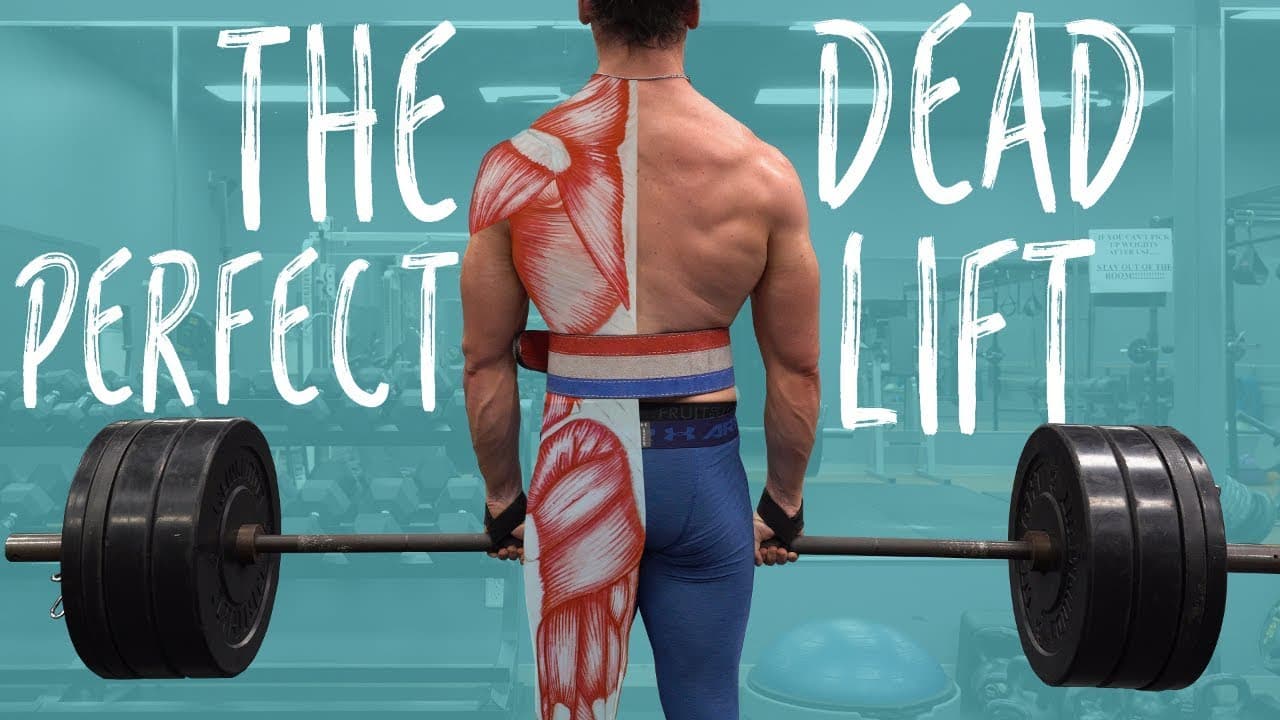
To perform the deadlift with proper form, position the bar over mid foot, keep a slightly narrower than shoulder-width stance, and engage your lats. Avoid common mistakes such as excessive back rounding and pulling the slack out of the bar before lifting to ensure safety and efficiency. Using the right grip and maintaining spinal alignment are crucial for optimizing muscle engagement and preventing injury.
Transcript
today we're gonna talk about how to perfect the deadlift so that you can safely build muscle and raw strength what's up guys around here Treadaway training.com where we help busy professionals get more results in less time through online training i'm gonna break this video up into three sections one muscles targeted to set up and form three common ... Read More
Key Insights
- 💪 The deadlift targets various muscle groups, making it an effective exercise for building overall strength and muscle.
- 😒 Proper setup, including the use of a belt, tall socks or tights, and correct foot placement, is crucial for maintaining proper form during the deadlift.
- 🍧 Different grip options are available for the deadlift, with each having its advantages and disadvantages.
- 🤢 Common mistakes during the deadlift include excessive back rounding, starting with the bar separated from the legs, sitting too far back, and not pulling the slack out of the bar.
- 💪 Correcting weak muscles, such as the spinal erectors and glutes, and avoiding excessive weight too soon can help improve deadlift form and reduce the risk of injury.
- 🏋️ Pulling the slack out of the bar before lifting ensures a smoother and safer lifting motion.
- 🥅 Personal preferences and individual goals should be considered when choosing a grip option for the deadlift.
Install to Summarize YouTube Videos and Get Transcripts
Explore YouTube Video Summarizer or Get YouTube Transcript Extractor
Questions & Answers
Q: What are the muscles targeted during the deadlift?
The deadlift targets the spinal erectors, glutes, hamstrings, quads, lats, and traps. These muscle groups work together to extend the spine, hips, and knees while stabilizing the upper body.
Q: Which grip option is the safest for the deadlift?
Double overhand grip is the safest option as it reduces the risk of muscle imbalances. However, at some point, grip strength may become a limiting factor, and straps may be needed to continue increasing the weight lifted.
Q: How can one avoid excessive back rounding during the deadlift?
Excessive back rounding can be caused by weak spinal erectors or glutes. Strengthening exercises such as Romanian deadlifts and cable pull-throughs can help address these weaknesses. Additionally, avoiding lifting too much weight too soon can prevent back rounding.
Q: What is the importance of pulling the slack out of the bar before lifting?
Pulling the slack out of the bar ensures a smoother and controlled lift. Failing to do so can result in a sudden jolt of force on the lumbar spine, increasing the risk of injury.
Summary & Key Takeaways
-
The deadlift targets multiple muscle groups, including the spinal erectors, glutes, hamstrings, quads, lats, and traps.
-
Proper setup involves using a belt and wearing tall socks or tights, positioning the bar over the midfoot, and maintaining a slightly narrower than shoulder-width stance.
-
Three grip options are available: double overhand, alternate grip, and hook grip, each with its strengths and weaknesses.
Read in Other Languages (beta)
Share This Summary 📚
Summarize YouTube Videos and Get Video Transcripts with 1-Click
Try YouTube Summary with ChatGPT & Claude or YouTube Transcript Generator
Explore More Summaries from Ryan Treadaway 📚
Summarize YouTube Videos and Get Video Transcripts with 1-Click
Try YouTube Summary with ChatGPT & Claude or YouTube Transcript Generator