How Positive Self-Talk Boosts Fitness & Wellbeing
TL;DR
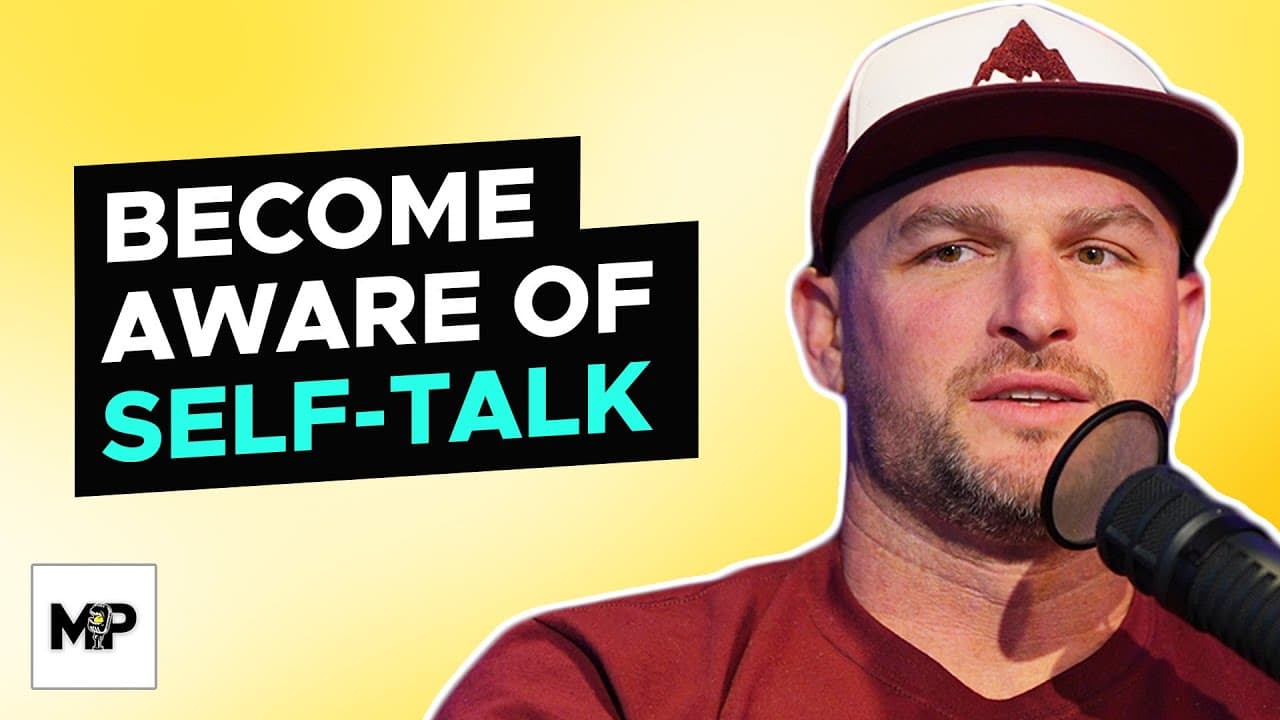
Changing your self-talk can significantly impact your mental health, reducing anxiety and depression, and improving overall well-being. Becoming aware of negative self-talk is the first step in transforming it into positive affirmations, which can enhance your fitness journey. Successful individuals often harness positive self-talk to maintain motivation and resilience.
Transcript
I don't think I need to make the point that how you talk to people can affect them how what the things you say to people can affect their moods what you say to the people around you can make them view you differently or the world differently can change people's Outlook well check this out that's true for how you talk to yourself studies on selft ta... Read More
Key Insights
- Self-talk significantly influences your mood and outlook on life.
- Becoming aware of your self-talk is the first step in changing it.
- Successful people often use positive self-talk to fuel their motivation.
- Negative self-talk can lead to physical health issues, including autoimmune disorders.
- Replacing 'I' with your name can help you become more aware of negative self-talk.
- Positive self-talk can improve mental health by reducing anxiety and depression.
- Self-talk patterns often develop in childhood and can be consciously changed.
- Building a positive belief system is crucial for achieving long-term success.
Install to Summarize YouTube Videos and Get Transcripts
Explore YouTube Video Summarizer or Get YouTube Transcript Extractor
Questions & Answers
Q: How does self-talk impact mental health?
Self-talk significantly impacts mental health by influencing your mood and outlook on life. Negative self-talk can increase feelings of anxiety and depression, while positive self-talk can enhance overall well-being and motivation. Becoming aware of your self-talk patterns is crucial for transforming them into positive affirmations that support mental health.
Q: What is the first step in changing negative self-talk?
The first step in changing negative self-talk is becoming aware of it. Many people are not conscious of the way they talk to themselves, so recognizing negative patterns is crucial. Once aware, individuals can begin to replace negative statements with positive affirmations, gradually transforming their self-talk and improving mental health.
Q: How can successful people use self-talk to their advantage?
Successful individuals often harness positive self-talk to maintain motivation and resilience. By focusing on affirmations and positive beliefs, they can overcome challenges and setbacks more effectively. Positive self-talk reinforces confidence and determination, which are essential for achieving long-term goals and maintaining success.
Q: Can negative self-talk affect physical health?
Yes, negative self-talk can affect physical health. Research shows a correlation between depression and autoimmune disorders, suggesting that chronic negative self-talk may contribute to physical health issues. The body can internalize these negative beliefs, potentially leading to adverse health outcomes.
Q: What is a simple trick to become more aware of negative self-talk?
A simple trick to become more aware of negative self-talk is to replace 'I' with your name. For example, instead of saying 'I'm an idiot,' say '[Your Name] is an idiot.' This shift in perspective can help you recognize and question the validity of negative statements, making it easier to transform them into positive affirmations.
Q: How does self-talk develop, and can it be changed?
Self-talk patterns often develop in childhood, influenced by early experiences and interactions. However, these patterns can be consciously changed through awareness and practice. By identifying negative self-talk and intentionally replacing it with positive affirmations, individuals can reshape their internal dialogue and improve their mental and emotional well-being.
Q: Why is building a positive belief system important?
Building a positive belief system is important because it lays the foundation for achieving long-term success and well-being. Positive beliefs reinforce confidence, motivation, and resilience, enabling individuals to overcome challenges and pursue their goals. A strong belief system also supports mental health by reducing anxiety and fostering a sense of self-worth.
Q: How can self-talk influence your fitness journey?
Self-talk can greatly influence your fitness journey by affecting motivation and perseverance. Positive self-talk encourages a growth mindset, helping you stay committed to your fitness goals even when facing obstacles. By reinforcing confidence and determination, positive affirmations can enhance your overall fitness experience and contribute to long-term success.
Summary & Key Takeaways
-
Positive self-talk can profoundly affect mental health, reducing anxiety and depression. Becoming aware of negative self-talk is the first step toward changing it. Successful people often use positive affirmations to maintain motivation.
-
Negative self-talk can lead to physical health issues, including autoimmune disorders. Replacing 'I' with your name can help increase awareness of negative self-talk.
-
Self-talk patterns often develop in childhood but can be consciously changed. Building a positive belief system is crucial for achieving long-term success and well-being.
Read in Other Languages (beta)
Share This Summary 📚
Summarize YouTube Videos and Get Video Transcripts with 1-Click
Try YouTube Summary with ChatGPT & Claude or YouTube Transcript Generator
Explore More Summaries from Mind Pump Show 📚




Summarize YouTube Videos and Get Video Transcripts with 1-Click
Try YouTube Summary with ChatGPT & Claude or YouTube Transcript Generator