Signs You’re Not Drinking Enough Water
TL;DR
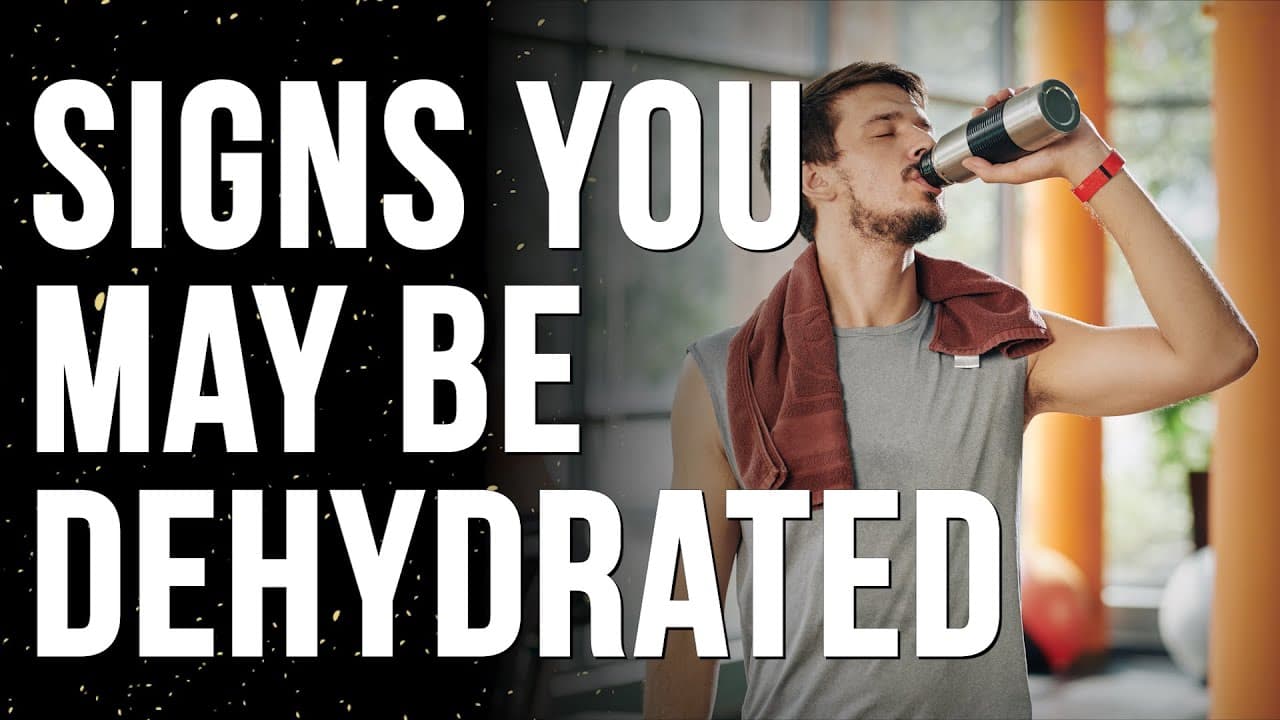
Drinking enough water is crucial for optimal health and performance.
Transcript
next question is from luke calestios what are some signs you're not drinking enough water you're thirsty a lot it's probably the biggest sign the biggest one actually is is it uh technically the the if you are thirsty it's already the size do you right it means you're already technically uh dehydration so here's the problem with that is that's not ... Read More
Key Insights
- Thirst is not always an accurate indicator of dehydration; by the time you're thirsty, dehydration may have already set in.
- Fitness enthusiasts often debate the optimal water intake, with some advocating for a gallon a day, while others suggest less.
- Optimal water intake can enhance performance, improve skin health, and aid in better sleep quality.
- Low energy during workouts can be a sign of insufficient water intake; hydrating before exercise may boost energy levels.
- Personal experiences highlight the importance of hydration in preventing muscle injuries and joint pain.
- Urine color can indicate hydration levels; light yellow suggests adequate hydration, while dark urine may indicate a need for more water.
- Electrolyte balance, particularly sodium, is crucial for muscle function and may require supplementation in some cases.
- Athletes and individuals in high-sweat activities may need to add salt to their water to maintain energy and performance.
Install to Summarize YouTube Videos and Get Transcripts
Explore YouTube Video Summarizer or Get YouTube Transcript Extractor
Questions & Answers
Q: What are some signs you're not drinking enough water?
Signs of inadequate water intake include frequent thirst, low energy levels, dark urine, and potential muscle cramps or joint pain. Optimal hydration can enhance performance, improve skin health, and aid in better sleep quality. Listening to your body's cues and monitoring urine color can help assess hydration status.
Q: Why is thirst not a reliable indicator of dehydration?
Thirst is not always a reliable indicator because by the time you feel thirsty, dehydration may have already set in. The body has already started to experience the effects of insufficient water intake, which can impact energy levels, cognitive function, and overall health.
Q: How does optimal water intake affect performance?
Optimal water intake is crucial for maximizing performance as it helps maintain energy levels, supports muscle function, and prevents injuries. Adequate hydration can improve workout efficiency, enhance skin health, and contribute to better sleep quality, making it an essential component of a fitness regimen.
Q: What role do electrolytes play in hydration?
Electrolytes, particularly sodium, are vital for muscle function and hydration. They help maintain fluid balance and support muscle contractions. Inadequate sodium intake, especially in athletes or those with high sweat rates, can lead to symptoms of dehydration despite adequate water consumption.
Q: How can urine color indicate hydration levels?
Urine color is a useful indicator of hydration status. Light yellow urine generally suggests adequate hydration, while dark urine indicates a need for more water. However, certain vitamins or supplements can alter urine color, so it's essential to consider dietary factors as well.
Q: What personal experiences highlight the importance of hydration?
Personal experiences shared in the discussion highlight the link between hydration and muscle injuries or joint pain. Staying hydrated can prevent issues like muscle popping or joint discomfort during workouts, emphasizing the need for adequate water intake in preventing exercise-related injuries.
Q: Why might athletes need to add salt to their water?
Athletes, especially those in high-sweat activities, may need to add salt to their water to maintain energy and performance. Sweating leads to significant sodium loss, and without adequate replacement, athletes may experience fatigue and decreased performance despite drinking sufficient water.
Q: What is the debate about optimal water intake?
The debate about optimal water intake centers around differing opinions on how much water is necessary for health and performance. Some advocate for a gallon a day, while others suggest less. The key is finding a balance that supports individual health needs and activity levels, considering factors like diet and exercise.
Summary & Key Takeaways
-
The discussion revolves around the signs of dehydration and the importance of optimal water intake for health and performance. Thirst is not a reliable indicator, and optimal intake can improve various health aspects.
-
Hydration impacts energy levels, muscle function, and joint health. Personal experiences suggest that staying hydrated can prevent injuries and enhance workout performance.
-
Electrolyte balance, particularly sodium, plays a critical role in hydration. Athletes may require additional salt in their diets to maintain energy and performance during high-sweat activities.
Read in Other Languages (beta)
Share This Summary 📚
Summarize YouTube Videos and Get Video Transcripts with 1-Click
Try YouTube Summary with ChatGPT & Claude or YouTube Transcript Generator
Explore More Summaries from Mind Pump Show 📚




Summarize YouTube Videos and Get Video Transcripts with 1-Click
Try YouTube Summary with ChatGPT & Claude or YouTube Transcript Generator