How to Create a Real-Life Fractal Zoom Effect
TL;DR
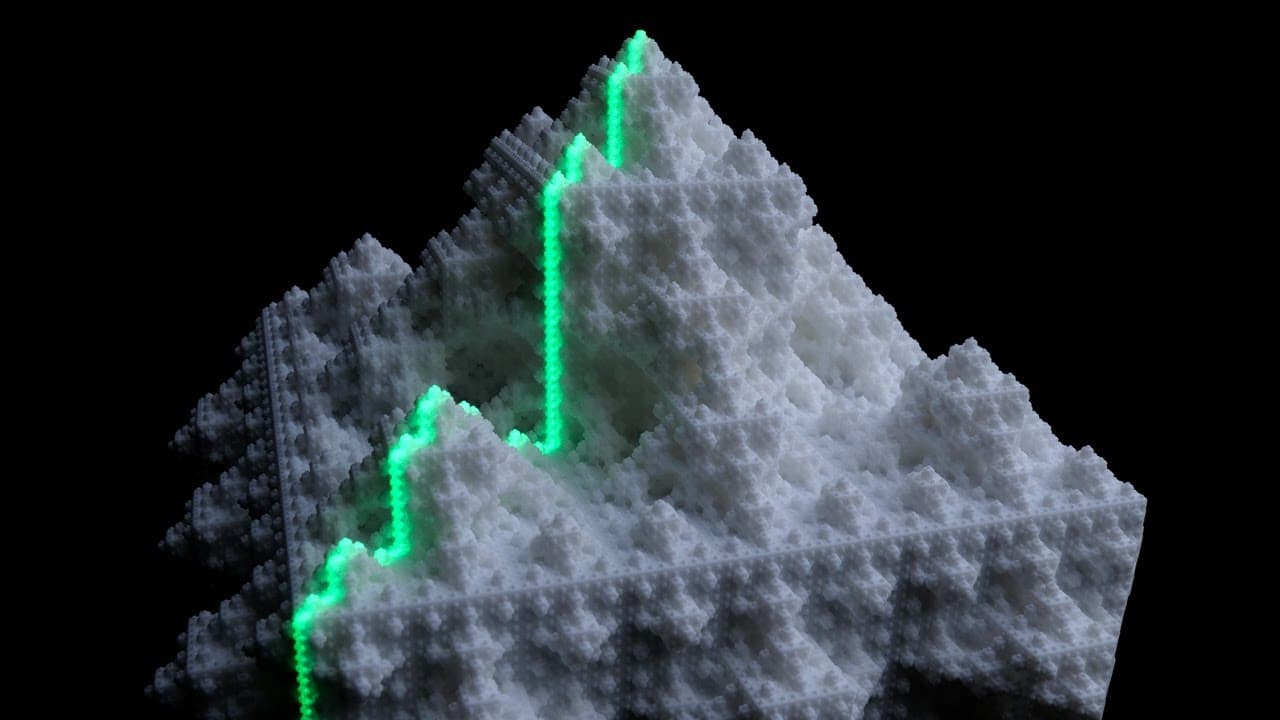
To create a real-life fractal zoom effect, use a 3D printed fractal surface and a slider mechanism to physically move the camera closer to the fractal, ensuring accurate perspective. Digital zoom techniques won't achieve the same effect, so precise camera movement is essential for a seamless zoom experience.
Transcript
Computer generated zooms into fractals have been around for a few decades. But have you ever seen a real-life fractal zoom? This is a 3D print of a fractal surface. I'll get into precisely what this fractal is later. But first, here's the plan. This square part of the fractal is three times larger than this one here. So I want to zoom the camera in... Read More
Key Insights
- 🧑🦽 Real-life fractal zooms can be achieved through a combination of 3D printing, precise camera movements, and manual adjustments to achieve accurate perspective.
- 🔍 Physical camera movement is necessary to maintain perspective, while digital zoom and zoom lenses are limited in achieving the desired effect.
- 🖐️ Photo manipulation plays a significant role in creating seamless loops and visual effects in real-object zoom animations.
- 🧑🦽 Achieving machine precision in both the 3D print and camera movements requires careful calibration and manual adjustments.
- ❓ Fractals are challenging to create with 3D printing due to the limitations in detail size and structural integrity.
- 😒 The use of a slider mechanism and rotating motors can enhance the visual appeal of real-life fractal zooms.
- 🎥 The blurriness obtained from the camera's focus near the fractal helps hide minor inaccuracies and imperfections in the perspectives.
Install to Summarize YouTube Videos and Get Transcripts
Explore YouTube Video Summarizer or Get YouTube Transcript Extractor
Questions & Answers
Q: How does the creator achieve a real-life fractal zoom effect using a 3D printed surface?
The creator uses a 3D printed fractal surface and a slider mechanism to physically move the camera closer to the fractal. This allows for a seamless zoom effect without relying on digital zoom or a zoom lens.
Q: What challenges are encountered when creating a real-life fractal zoom?
One of the main challenges is matching perspectives between different points of the fractal. The video explains how scaling alone does not achieve the desired effect, and the camera must physically move closer to maintain accurate perspective.
Q: How does the creator incorporate camera movements and rotations into the real-life fractal zoom?
The creator uses a slider mechanism and rotating motors. Precise alignment and control are essential to ensure that the fractal rotates around its tip, and the camera points in the direction of the slider movement. Machine precision is achieved through the equipment, while the interface between the 3D print and camera movements require manual adjustment.
Q: What role does photo manipulation play in real-object zoom animations?
Photo manipulation is often used to create seamless loops and visual effects in real-object zoom animations. Artists may start with a single photograph and use software like Adobe After Effects and Droste Effect plugins to manipulate the image and achieve desired results.
Key Insights:
- Real-life fractal zooms can be achieved through a combination of 3D printing, precise camera movements, and manual adjustments to achieve accurate perspective.
- Physical camera movement is necessary to maintain perspective, while digital zoom and zoom lenses are limited in achieving the desired effect.
- Photo manipulation plays a significant role in creating seamless loops and visual effects in real-object zoom animations.
- Achieving machine precision in both the 3D print and camera movements requires careful calibration and manual adjustments.
- Fractals are challenging to create with 3D printing due to the limitations in detail size and structural integrity.
- The use of a slider mechanism and rotating motors can enhance the visual appeal of real-life fractal zooms.
- The blurriness obtained from the camera's focus near the fractal helps hide minor inaccuracies and imperfections in the perspectives.
- The process of creating real-life fractal zooms involves a lot of trial and error, as well as adjustments to achieve the desired visual effects.
Summary & Key Takeaways
-
The video demonstrates the process of creating a real-life fractal zoom using a 3D printed fractal surface and precise camera movements.
-
The creator explores previous examples of real-object zoom animations and discusses the challenges of creating a seamless zoom effect.
-
The video focuses on the importance of physical camera movement and the limitations of digital zoom to achieve the desired perspective and visual effects.
Read in Other Languages (beta)
Share This Summary 📚
Summarize YouTube Videos and Get Video Transcripts with 1-Click
Try YouTube Summary with ChatGPT & Claude or YouTube Transcript Generator
Explore More Summaries from Henry Segerman 📚
Summarize YouTube Videos and Get Video Transcripts with 1-Click
Try YouTube Summary with ChatGPT & Claude or YouTube Transcript Generator