How artists can (finally) get paid in the digital age | Jack Conte
TL;DR
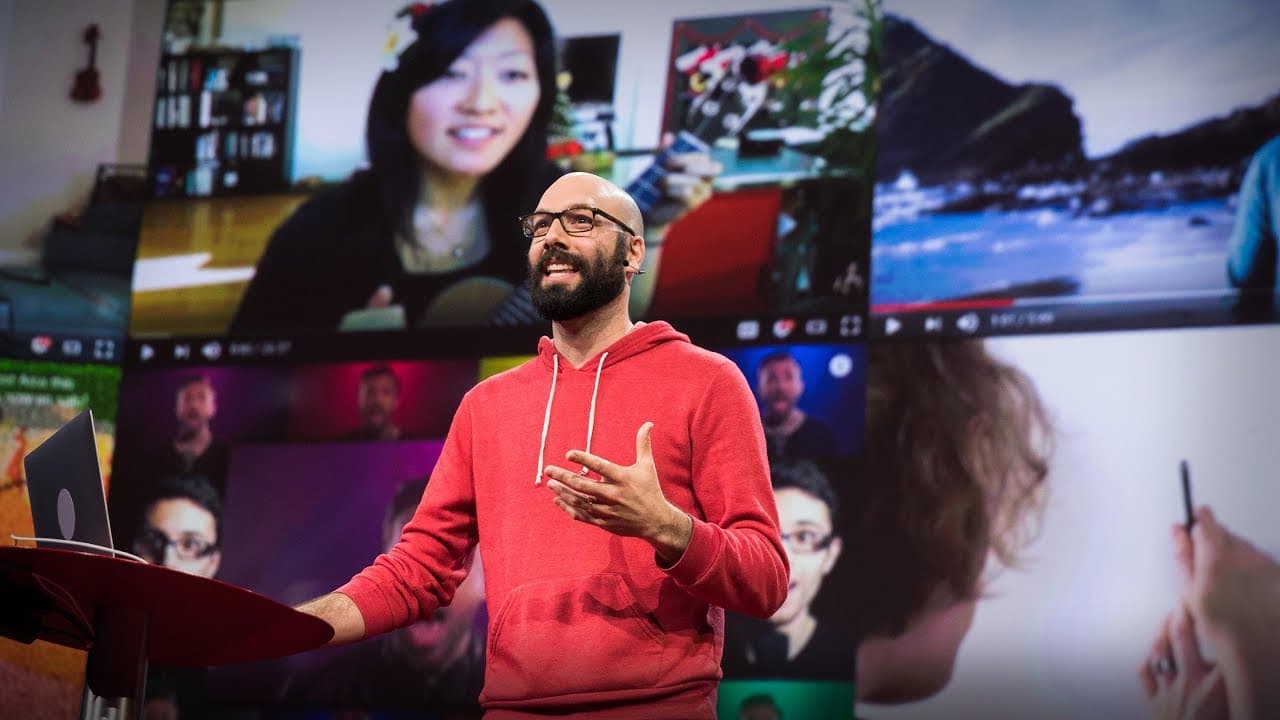
The speaker discusses the challenges creative people face in making a living online, but highlights the progress being made and the potential for creators to be paid and valued in the future.
Transcript
Hi everyone. So, I'm going to take us back to 2007. I'd just spent about six months working on album that I'd poured my heart and my soul into, and it was getting about three plays per day on Myspace at the time, and I was getting more and more depressed when I started noticing these other people who were playing guitar and singing and putting vide... Read More
Key Insights
- 📺 The power of YouTube: The speaker shares their experience of gaining popularity and making money as a musician through YouTube videos, highlighting the potential reach and impact of the platform.
- 💰 Challenges with monetization: The speaker explains how the traditional methods of monetizing art, such as iTunes downloads and brand deals, have become less effective due to changing business models and increased competition.
- 🌐 The impact of the internet: The advent of platforms like Spotify, Facebook, YouTube, and iTunes disrupted the traditional infrastructure and distribution systems for artists, leading to a broken monetization process for creative individuals.
- 💡 New opportunities for creators: The speaker mentions various platforms like Twitch, YouNow, and Patreon that provide avenues for creators to earn a living and receive direct support from their fans through memberships, digital goods, and donations.
- 🌱 The evolving landscape: The speaker emphasizes that while the current systems for monetizing creative work may not be perfect, there is significant progress being made, exemplified by creators on Patreon and other platforms successfully earning salaries for their art.
- 👥 Support for creators: Companies like Google, newspapers like The New York Times and The Guardian, and platforms like Patreon are actively working on solutions to help creators monetize their work, indicating a growing recognition and value for creative professions.
- 👏 The future for creators: The speaker predicts that within the next 10 years, being a creator will be seen as a viable and respected profession, with numerous systems and tools in place to support artists in making a living online.
- 🎉 Encouragement for artists: The speaker encourages artists not to give up, emphasizing that the path to sustainable monetization is being paved, and that soon there will be ample opportunities for creators to earn a living through their art.
Install to Summarize YouTube Videos and Get Transcripts
Explore YouTube Video Summarizer or Get YouTube Transcript Extractor
Questions & Answers
Q: What led the speaker to start making YouTube videos in 2007?
The speaker noticed other people gaining popularity and views on YouTube, prompting them to start creating videos themselves.
Q: How did the speaker's band benefit from being featured on the YouTube homepage?
Being featured on the homepage led to an influx of new fans and increased attendance at their shows, ultimately aiding their growth as a band.
Q: How did the speaker initially generate income from their online videos?
Initially, the speaker made money through brand deals, commercials, and iTunes sales, which allowed them to purchase a house and build a recording studio.
Q: What was the major challenge for creative individuals in 2013 when it came to making money?
The constantly changing business models and increased competition for brand deals made it difficult for creative individuals to earn a living. Additionally, their videos often generated minimal income despite the value they brought to their audiences.
Q: In what ways are creators finding success in getting paid for their content?
Creators are exploring various platforms and strategies, such as Patreon, Twitch, and membership programs, to monetize their content and earn a salary for their creative work.
Q: What progress has been made in the last decade towards supporting and paying creators?
Numerous platforms and institutions, including Patreon, Google, and newspapers, have been actively working on providing creators with monetization options. While the system is not perfect yet, it is becoming increasingly viable for creators to earn a living from their art.
Q: How does the speaker envision the future for creators?
The speaker foresees a future where being a creator is a respected and sustainable profession, comparable to becoming a doctor or a lawyer. They believe that within the next 10 years, systems and tools will be in place for creators to make a living online and be valued for their work.
Summary & Key Takeaways
-
The speaker started making YouTube videos after noticing the success of other creators. They eventually made enough money to buy a house and built a recording studio.
-
The changing business models and increased competition made it difficult for creative people to make money, particularly from their videos.
-
The speaker is working on a solution through Patreon, a membership platform that helps creators get paid. There are other platforms and experiments happening to support creators as well.
Read in Other Languages (beta)
Share This Summary 📚
Summarize YouTube Videos and Get Video Transcripts with 1-Click
Try YouTube Summary with ChatGPT & Claude or YouTube Transcript Generator
Explore More Summaries from TED 📚
Summarize YouTube Videos and Get Video Transcripts with 1-Click
Try YouTube Summary with ChatGPT & Claude or YouTube Transcript Generator