How Can PhD Students Overcome Imposter Syndrome?
TL;DR
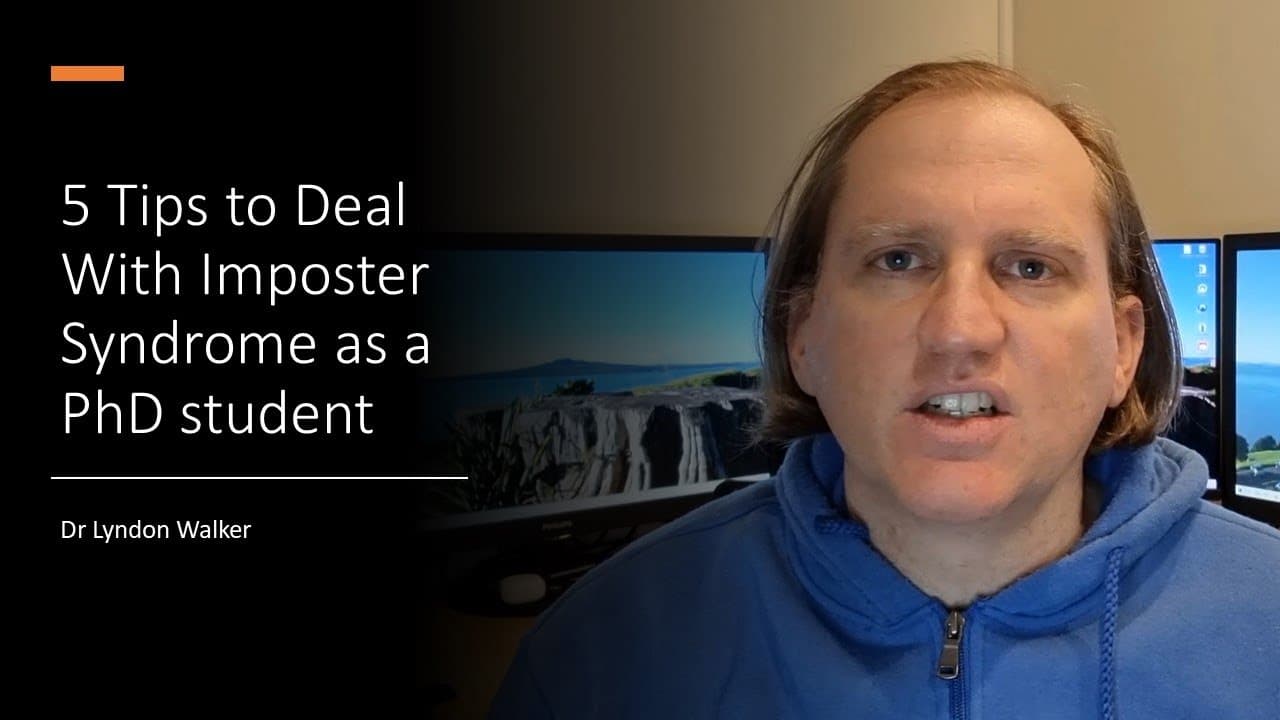
To overcome imposter syndrome, PhD students should recognize and name their feelings of self-doubt, shift from perfectionism to adequacy, and avoid comparing themselves to others. Creating an archive of successes can bolster confidence, and accepting that imposter syndrome is just one of many emotions helps in managing it effectively, allowing for greater productivity and progress in their work.
Transcript
hi everyone today i wanted to talk to you about imposter syndrome as a phd student this is something that is very common amongst phd students and can be very challenging it makes it hard for you to make progress you feel like you shouldn't be there that you're not worthy you have feelings of uncertainty about saying yes to projects or opportunities... Read More
Key Insights
- 🤳 Imposter syndrome can significantly hinder the productivity of PhD students, causing self-doubt and mental health concerns.
- 🤝 Acknowledging and naming your feelings can be an essential first step in dealing with self-doubt and skepticism.
- 💦 Shifting the focus from perfection to adequacy can enhance productivity while maintaining quality research work.
- ♻️ Avoiding comparisons with peers fosters a healthier academic environment and promotes individual growth.
- 🤳 Creating a success archive serves as a powerful reminder of accomplishments and competence, combating negative self-talk.
- 🖐️ The emotional landscape of a PhD includes various feelings where self-doubt plays a small part; understanding this helps in managing them effectively.
- 🧑🎓 Engaging with supportive communities can provide encouragement and remind students they are not alone in their struggles.
Install to Summarize YouTube Videos and Get Transcripts
Explore YouTube Video Summarizer or Get YouTube Transcript Extractor
Questions & Answers
Q: What is imposter syndrome, and why is it a concern for PhD students?
Imposter syndrome refers to the persistent feeling of self-doubt and inadequacy despite evident success. For PhD students, it can lead to anxiety about their capabilities, negatively affecting their productivity and overall mental health. Many students may feel unworthy, questioning if they truly belong in their program despite their qualifications.
Q: Why is perfectionism a barrier for PhD students?
Perfectionism can initially drive students to succeed academically, but it often becomes detrimental during a PhD. It can lead to excessive self-criticism and fear of producing anything that isn’t flawless. This mindset can stifle creativity, slow progress, and reinforce feelings of inadequacy, ultimately hindering academic performance.
Q: How can PhD students combat feelings of comparison with their peers?
Avoiding comparisons involves recognizing that other students might also be struggling with self-doubt despite outward appearances. Students should focus on their own research journey, celebrating personal milestones and understanding that each person's path is unique. Acknowledging everyone's experiences can alleviate unnecessary pressure.
Q: What is the value of creating an archive of successes?
Creating an archive of successes allows students to document their achievements and positive feedback from others. This tangible reminder helps counteract negative thought patterns and reinforces self-worth, reminding students that they are capable and have a place in their academic field even when self-doubt creeps in.
Q: How can acknowledging imposter syndrome benefit a PhD student?
Acknowledging imposter syndrome normalizes these feelings, allowing students to address and cope with them constructively. By recognizing it as just one emotion among many, students can prioritize their progress and continue their work without being paralyzed by self-doubt. This helps improve their mental health and academic performance.
Summary & Key Takeaways
-
Imposter syndrome is common among PhD students, leading to feelings of self-doubt and decreased productivity, impacting mental health.
-
Five practical strategies are shared for managing imposter syndrome, including recognizing the feelings, moving away from perfectionism, and creating an archive of successes.
-
Embracing imperfections and avoiding comparisons with peers can help students focus on their unique academic journeys, enhancing their confidence and effectiveness.
Read in Other Languages (beta)
Share This Summary 📚
Summarize YouTube Videos and Get Video Transcripts with 1-Click
Try YouTube Summary with ChatGPT & Claude or YouTube Transcript Generator
Explore More Summaries from Dr Lyndon Walker 📚




Summarize YouTube Videos and Get Video Transcripts with 1-Click
Try YouTube Summary with ChatGPT & Claude or YouTube Transcript Generator