Why Is Canada Restricting Foreign Home Purchases?
TL;DR
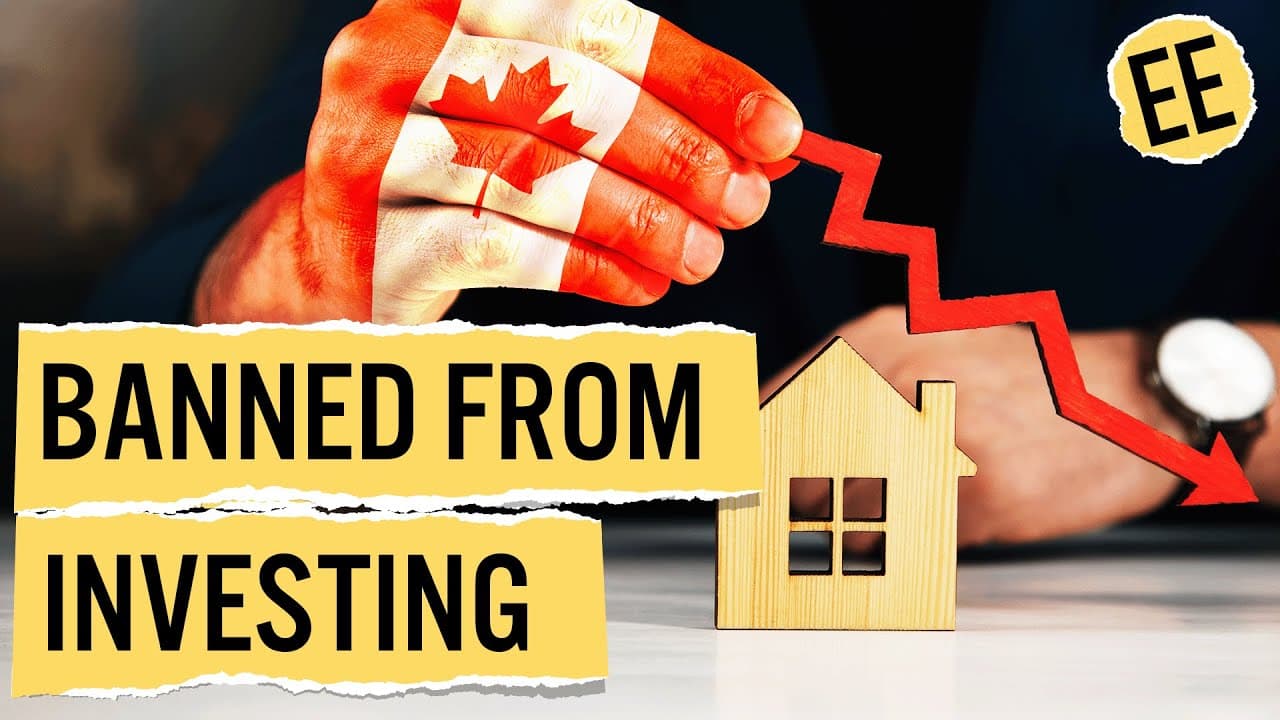
Canada has implemented a two-year ban on foreign investment in residential properties to address soaring home prices. This measure aims to ease housing affordability for locals, especially in major cities like Vancouver and Toronto. However, critics argue it may not significantly impact the market, given existing economic trends and loopholes in the law.
Transcript
at the beginning of this month a new Canadian law went into effect which banned foreigners from buying Residential Properties in the country as an investment for two years the law was passed as a reaction to the spike in home prices caused by the pandemic on top of a real estate market there was already unaffordable for a lot of Canadians especiall... Read More
Key Insights
- Canada has banned foreign investment in residential properties for two years to curb rising home prices.
- The law aims to make housing more affordable for Canadians, especially in cities like Vancouver and Toronto.
- Critics argue that the ban may not significantly affect the market due to existing economic trends and loopholes.
- Foreigners can still buy properties if they plan to live there or if they hold specific visas.
- The ban does not apply to larger apartment blocks or recreational properties, leaving room for investment.
- The Canadian housing market has been influenced by high demand and limited supply, exacerbated by the pandemic.
- High home prices can lead to reduced consumer spending and economic instability.
- The solution to housing affordability may lie in increasing supply rather than restricting demand.
Install to Summarize YouTube Videos and Get Transcripts
Explore YouTube Video Summarizer or Get YouTube Transcript Extractor
Questions & Answers
Q: How does Canada's foreign investment ban affect the housing market?
Canada's foreign investment ban aims to make housing more affordable by reducing competition from foreign buyers. It specifically targets residential properties, excluding larger apartment blocks and recreational properties. While intended to lower home prices, critics argue its impact may be limited due to existing economic trends and loopholes allowing certain foreign purchases.
Q: What are the exceptions to Canada's foreign investment ban on housing?
Exceptions to Canada's foreign investment ban include foreigners planning to live in the property, those on specific visas such as work or student visas, and purchases of larger apartment blocks or recreational properties. These exceptions mean that while the ban targets foreign investment, it does not entirely eliminate foreign participation in the housing market.
Q: Why are critics skeptical about the effectiveness of Canada's housing investment ban?
Critics are skeptical because the ban may not significantly alter the market due to existing economic trends, such as rising interest rates and falling home prices. Additionally, loopholes in the law allow for continued foreign investment in certain property types, potentially undermining the policy's goal of reducing housing demand and improving affordability.
Q: What are the potential economic impacts of high home prices in Canada?
High home prices can lead to reduced consumer spending as more income is directed towards housing costs, impacting local businesses. It can also cause economic instability if interest rate hikes lead to unaffordable mortgage payments, potentially resulting in defaults and market volatility. Long-term, it may force people out of productive urban centers, affecting economic growth.
Q: What are the arguments for increasing housing supply in Canada?
Increasing housing supply is seen as a more effective solution to affordability issues than restricting demand. Building more homes can meet the needs of a growing population, including skilled immigrants, and help stabilize prices. This approach addresses the root cause of high prices—limited supply—rather than focusing solely on reducing foreign demand.
Q: How has the pandemic affected the Canadian housing market?
The pandemic exacerbated the Canadian housing market's challenges by increasing demand as people sought more space and remote work options. This demand, coupled with limited supply, drove prices up significantly. Lockdowns and travel restrictions also impacted businesses, leading to economic shifts that have influenced housing market dynamics.
Q: What role do foreign investments play in Canada's housing market?
Foreign investments have historically contributed to Canada's housing market by increasing demand, especially in major cities. However, their overall impact is debated, with some arguing they inflate prices, while others point out that foreign ownership constitutes a small percentage of the market. The recent ban seeks to curb perceived negative effects of such investments.
Q: How could foreign investment potentially benefit Canada's economy?
Foreign investment could benefit Canada's economy by funding housing development projects, increasing supply, and creating jobs. It could also enhance productivity by providing capital for businesses, enabling them to invest in tools and infrastructure. By welcoming foreign investment in productive sectors, Canada could address housing affordability and boost economic growth.
Summary & Key Takeaways
-
Canada's new law bans foreign investment in residential properties for two years to address high home prices. The policy targets cities like Vancouver and Toronto, aiming to make housing more affordable for locals. However, critics suggest the ban may not significantly impact the market due to existing trends and legal loopholes.
-
The foreign investment ban allows exceptions for those planning to reside in Canada or holding specific visas, and does not cover larger apartment blocks or recreational properties. This leaves room for continued investment, potentially reducing the policy's effectiveness in lowering home prices.
-
The Canadian housing market's challenges are linked to high demand and limited supply, worsened by the pandemic. Critics argue that addressing affordability requires increasing housing supply rather than restricting foreign demand, as high prices affect consumer spending and economic stability.
Read in Other Languages (beta)
Share This Summary 📚
Summarize YouTube Videos and Get Video Transcripts with 1-Click
Try YouTube Summary with ChatGPT & Claude or YouTube Transcript Generator
Explore More Summaries from Economics Explained 📚






Summarize YouTube Videos and Get Video Transcripts with 1-Click
Try YouTube Summary with ChatGPT & Claude or YouTube Transcript Generator