Charlie Hebdo’s most famous cartoons, translated and explained
TL;DR
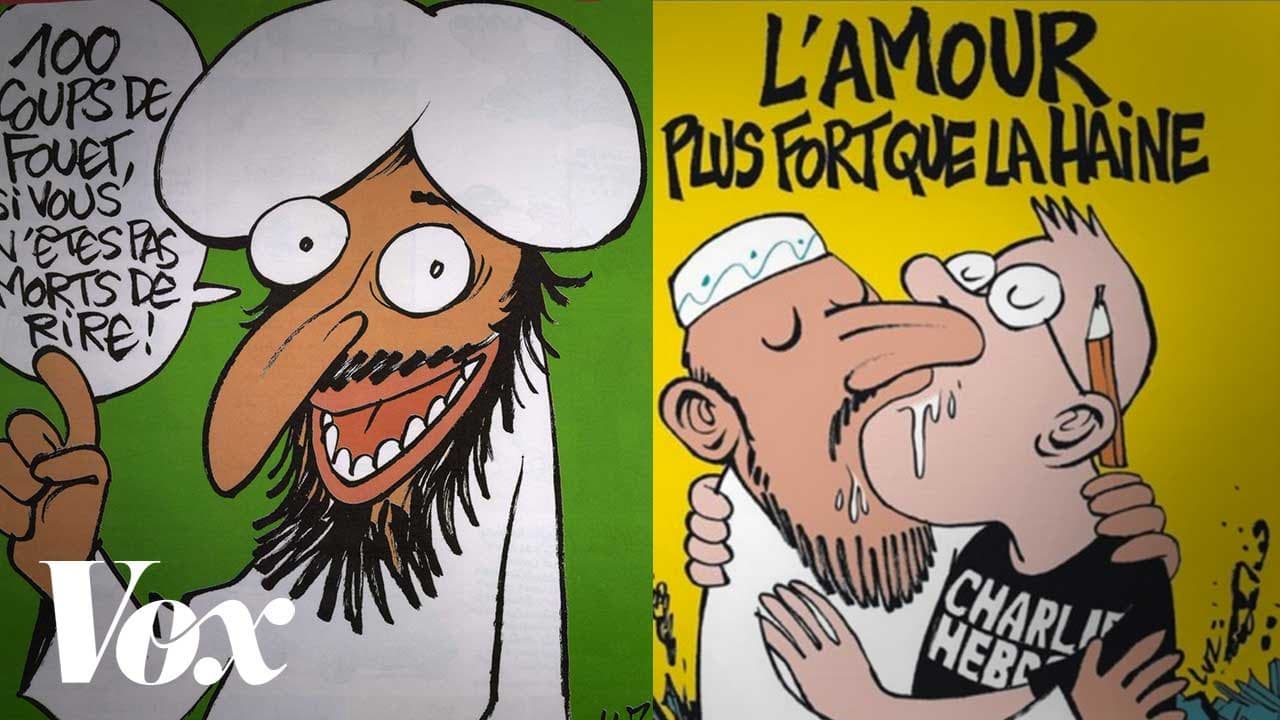
Charlie Hebdo uses satire to challenge extremism despite violent backlash.
Transcript
on January 7th masked gunmen attacked the offices of Charlie ebdo in Paris they killed 12 people and wounded at least 11 others Charlie ABDO is a satirical French weekly publication that is most known for its biting humor and more specifically for a string of cartoons that it has published about Islam and the prophet Muhammad this isn't the first t... Read More
Key Insights
- Charlie Hebdo is a French satirical weekly known for its provocative cartoons, especially those related to Islam and the Prophet Muhammad.
- The magazine has faced multiple attacks, including a deadly one in 2015, due to its controversial content.
- French secularism, or 'laïcité', is a fundamental cultural element, influencing Charlie Hebdo's stance on freedom of expression.
- The magazine's editors believe avoiding offense would eventually harm French secular culture, emphasizing their commitment to free speech.
- Charlie Hebdo's content targets extremism rather than Islam itself, often suggesting the Prophet Muhammad would support their satire.
- The magazine has tackled various controversial topics, including the French law banning full-face veils and anti-Semitic rants.
- Despite facing violence, Charlie Hebdo remains committed to challenging extremists and defending free speech.
- The phrase 'Je suis Charlie' became a symbol of solidarity and support for free expression following the attacks.
Install to Summarize YouTube Videos and Get Transcripts
Explore YouTube Video Summarizer or Get YouTube Transcript Extractor
Questions & Answers
Q: What is Charlie Hebdo known for?
Charlie Hebdo is known for its satirical and provocative cartoons, particularly those involving Islam and the Prophet Muhammad. The magazine has gained notoriety for its biting humor and willingness to tackle controversial topics, often leading to backlash and even violent attacks. Its commitment to free speech and challenging extremism is central to its editorial philosophy.
Q: Why has Charlie Hebdo been attacked?
Charlie Hebdo has been attacked due to its controversial content, especially its cartoons depicting Islam and the Prophet Muhammad. These depictions have offended some individuals and groups, leading to violent responses, including a significant attack in 2015. The magazine's stance on free speech and its challenges to extremism have made it a target for those seeking to silence its voice.
Q: What is the significance of French secularism in Charlie Hebdo's work?
French secularism, or laïcité, is a fundamental cultural element that significantly influences Charlie Hebdo's work. The magazine views secularism as a cornerstone of French culture, emphasizing the importance of free expression and the separation of religious influence from public life. Charlie Hebdo's editors believe that avoiding offense would undermine secular values, driving their commitment to challenging extremism through satire.
Q: How does Charlie Hebdo differentiate between Islam and extremism?
Charlie Hebdo differentiates between Islam and extremism by targeting the latter in its satire. The magazine's content often suggests that the Prophet Muhammad would support their views against extremism, emphasizing that their critique is directed at extremist ideologies rather than the religion itself. This distinction is crucial to their editorial stance, highlighting the importance of challenging extremism while respecting religious beliefs.
Q: What role does satire play in Charlie Hebdo's editorial philosophy?
Satire plays a central role in Charlie Hebdo's editorial philosophy as a tool for challenging extremism and defending free speech. The magazine uses humor and provocation to critique controversial topics, believing that satire is essential to preserving French secular values. This approach underscores their commitment to free expression and the importance of addressing societal issues through a satirical lens.
Q: How has Charlie Hebdo addressed issues beyond religious extremism?
Charlie Hebdo has addressed a wide range of issues beyond religious extremism, including French laws on religious attire, anti-Semitic incidents, and political controversies. The magazine uses satire to critique and provoke discussion on these topics, highlighting its broader commitment to challenging societal norms and defending free speech. This approach underscores the magazine's role as a cultural commentator and provocateur.
Q: What impact did the phrase 'Je suis Charlie' have following the attacks?
The phrase 'Je suis Charlie' became a global symbol of solidarity with Charlie Hebdo and its defense of free expression following the attacks. It highlighted the broader debate over freedom of speech and cultural values, rallying support for the magazine's commitment to challenging extremism and preserving secularism. The phrase underscored the importance of defending free expression in the face of violence and intimidation.
Q: How has Charlie Hebdo's commitment to free speech affected its reputation?
Charlie Hebdo's commitment to free speech has made it both a symbol of defiance and a target of controversy. Its willingness to tackle provocative topics and challenge extremism has garnered support from those who value free expression, while simultaneously attracting criticism and violent backlash from those offended by its content. This duality has cemented its reputation as a bold defender of secular values and free speech.
Summary & Key Takeaways
-
Charlie Hebdo, a French satirical magazine, is renowned for its provocative cartoons, particularly those involving Islam, leading to violent attacks, including a significant one in 2015. The magazine upholds French secularism, or laïcité, as a cornerstone of its editorial philosophy, believing that avoiding offense would undermine this cultural value.
-
The magazine's editors assert that their satire targets extremism, not Islam itself, often depicting the Prophet Muhammad as supportive of their views. Despite facing violence and controversy, Charlie Hebdo remains committed to challenging extremism and defending freedom of speech, viewing these actions as essential to preserving French cultural values.
-
Charlie Hebdo has addressed various contentious issues, from French laws on religious attire to anti-Semitic incidents, using satire to critique and provoke. Following the attacks, 'Je suis Charlie' emerged as a global symbol of solidarity with the magazine and its defense of free expression, highlighting the broader debate over freedom of speech and cultural values.
Read in Other Languages (beta)
Share This Summary 📚
Summarize YouTube Videos and Get Video Transcripts with 1-Click
Try YouTube Summary with ChatGPT & Claude or YouTube Transcript Generator
Explore More Summaries from Vox 📚


Summarize YouTube Videos and Get Video Transcripts with 1-Click
Try YouTube Summary with ChatGPT & Claude or YouTube Transcript Generator