Why paid sick leave is essential to beating coronavirus
TL;DR
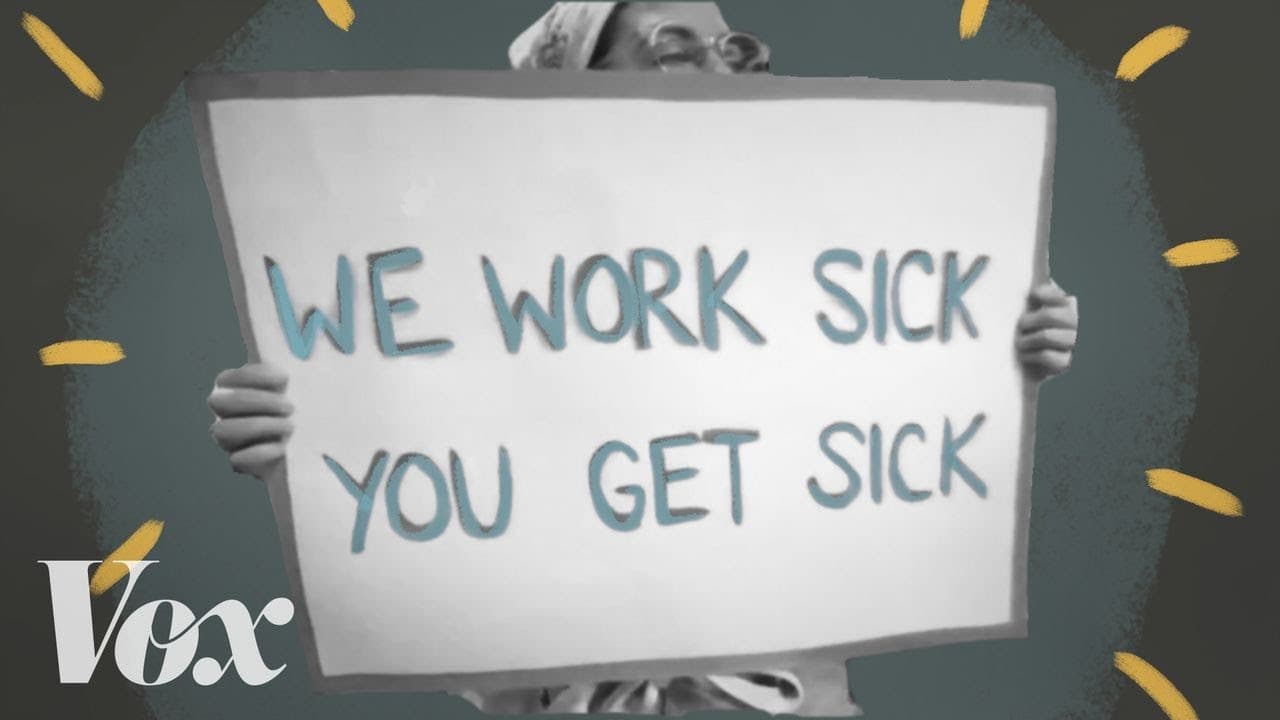
Paid sick leave is crucial for controlling pandemics like COVID-19.
Transcript
St. Mark’s Square. Venice, Italy. It’s one of the most-visited tourist destinations in the world. Most years in mid-March, it’s crowded with people hanging out in cafes, checking out the cathedral, and riding gondolas. But in March of 2020, St. Marks’ Square was practically empty. More and more people in northern Italy had tested positive for the... Read More
Key Insights
- Italy implemented a national policy of paid sick leave, allowing people to stay home and slow the spread of COVID-19.
- Most wealthy countries have national laws guaranteeing paid sick leave, unlike the US where it varies by location and employer.
- The absence of a national paid sick leave policy in the US leaves many low-wage workers vulnerable during pandemics.
- Countries like Italy and Japan fund sick leave through social security, while others require employers to pay.
- Paid sick leave helps contain disease spread and saves lives by allowing sick workers to stay home.
- The US lacks a comprehensive national policy, creating a public health risk during pandemics like coronavirus.
- The US coronavirus relief bill provided limited sick leave coverage, excluding many large company employees.
- The lack of paid sick leave affects service industry workers disproportionately, increasing public health risks.
Install to Summarize YouTube Videos and Get Transcripts
Explore YouTube Video Summarizer or Get YouTube Transcript Extractor
Questions & Answers
Q: Why is paid sick leave important during a pandemic?
Paid sick leave is crucial during a pandemic because it allows sick individuals to stay home without financial repercussions, reducing the spread of the virus. When workers are forced to choose between health and income, they may continue working while sick, increasing the risk of infecting others and overwhelming healthcare systems.
Q: How do other countries handle paid sick leave?
Countries like Italy and Japan pay workers directly from a social security fund, while others like Germany and Australia require employers to cover the cost. Some countries, such as Ireland and Spain, use a combination of both methods to ensure workers have access to paid sick leave, which helps control disease spread.
Q: What is the current situation regarding paid sick leave in the US?
In the US, there is no national law guaranteeing paid sick leave, leaving it up to states, cities, and employers to decide. This results in a patchwork system where many low-wage workers, particularly in the service industry, lack access to paid sick leave, posing a significant public health risk during pandemics.
Q: What did the US coronavirus relief bill include regarding paid sick leave?
The US coronavirus relief bill included a provision for paid sick leave during public health emergencies, but it only applied to companies with 50 to 500 employees. This left many workers at large corporations without coverage, highlighting the limitations of the bill in addressing the widespread need for paid sick leave.
Q: Why is the lack of paid sick leave a public health concern in the US?
The lack of paid sick leave in the US is a public health concern because it forces sick workers, particularly those in low-wage jobs, to choose between their health and their income. This can lead to increased virus transmission, especially in industries like food service, where employees interact with numerous customers daily.
Q: How does the absence of paid sick leave affect low-wage workers?
Low-wage workers without paid sick leave face financial strain when they fall ill, as they must forgo income to recover. This can lead to difficult financial decisions, such as prioritizing bills, and may incentivize them to work while sick, increasing the risk of spreading illness to others.
Q: What impact did the American Legislative Exchange Council have on paid sick leave laws?
The American Legislative Exchange Council influenced paid sick leave laws by distributing a bill template that restricted cities from mandating paid sick leave. This led to the adoption of similar laws in 17 states, effectively preventing local governments from enacting paid sick leave requirements, limiting workers' access to this benefit.
Q: What role does paid sick leave play in controlling the spread of COVID-19?
Paid sick leave plays a critical role in controlling COVID-19 by allowing workers to stay home when ill, reducing the virus's transmission. Without it, workers may feel compelled to work while symptomatic, increasing the risk of spreading the virus to coworkers and the public, thereby exacerbating the pandemic's impact.
Summary & Key Takeaways
-
Paid sick leave is a crucial policy in many developed countries, allowing workers to stay home when ill without financial worry. The absence of such a policy in the US puts low-wage workers at risk, especially during pandemics like COVID-19, where staying home is vital to public health.
-
In the US, the lack of a national paid sick leave law means workers' rights vary by location and employer, leaving millions vulnerable. This is problematic during pandemics, as it incentivizes sick workers to continue working, risking further spread of the virus.
-
The US coronavirus relief bill attempted to address sick leave, but its limited scope left many workers without coverage. This highlights a systemic issue in American labor policy, where the absence of paid sick leave creates public health risks during crises like the coronavirus pandemic.
Read in Other Languages (beta)
Share This Summary 📚
Summarize YouTube Videos and Get Video Transcripts with 1-Click
Try YouTube Summary with ChatGPT & Claude or YouTube Transcript Generator
Explore More Summaries from Vox 📚

Summarize YouTube Videos and Get Video Transcripts with 1-Click
Try YouTube Summary with ChatGPT & Claude or YouTube Transcript Generator