How "Instagram traps" are changing art museums
TL;DR
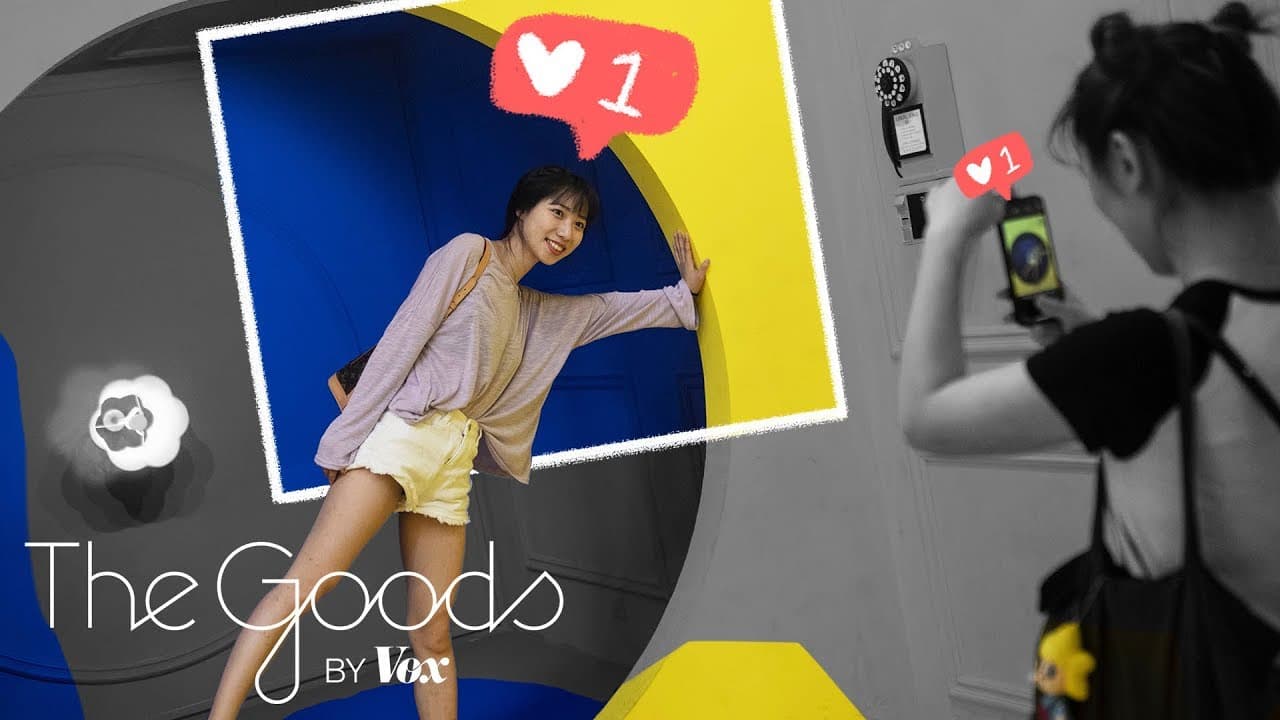
Instagram is reshaping art museums into immersive, photo-friendly experiences.
Transcript
There's a warehouse in Brooklyn that feels like stepping into a dream. It's an art exhibit but the only picture frames you'll see are right here, on smartphones. This exhibit is part of a new generation of pop-up art experiences designed to look good in person and here on Instagram. There's the Museum of ice cream, the Museum of selfies, the Museum... Read More
Key Insights
- Pop-up art exhibits are designed for Instagram, blending art with social media to attract visitors and enhance engagement.
- These exhibits, like the Museum of Ice Cream, often sell out and charge around $40 for admission, highlighting their popularity.
- Interactive art, inspired by 1960s installation art, is central to these pop-ups, encouraging visitor participation and immersion.
- Traditional museums are adapting by allowing photography, previously restricted to protect artwork, to attract more visitors.
- Social media-friendly exhibits, like the Renwick Gallery's 'Wonder,' have dramatically increased museum attendance and membership.
- Photography in museums can detract from the visitor experience, as focusing on taking photos may reduce overall enjoyment.
- Museums face a dilemma: restricting photography may limit attendance, but allowing it could alter the visitor experience.
- Despite concerns, the trend of Instagram-friendly art spaces is driving increased engagement with art and museums.
Install to Summarize YouTube Videos and Get Transcripts
Explore YouTube Video Summarizer or Get YouTube Transcript Extractor
Questions & Answers
Q: What are pop-up art exhibits designed for?
Pop-up art exhibits are designed primarily for Instagram, focusing on creating immersive and interactive experiences that are visually appealing and photographable. These exhibits aim to attract visitors who are eager to capture their experiences and share them on social media, thereby increasing engagement and popularity.
Q: How have traditional museums responded to the trend of Instagram-friendly exhibits?
Traditional museums have responded by adapting their photography policies, often allowing or encouraging photography to attract more visitors. This shift aims to compete with the trendy, colorful exhibits of pop-up museums, which draw large crowds. By becoming more social media-friendly, traditional museums hope to increase attendance and engagement.
Q: What impact does photography have on the museum experience?
Photography can detract from the museum experience by shifting the visitor's focus from appreciating art to capturing photos for social media. This change in focus may reduce overall enjoyment and engagement with the artwork. Museums are aware of this challenge and are exploring ways to balance photography with art appreciation.
Q: Why are pop-up museums popular despite not being traditional museums?
Pop-up museums are popular because they offer unique, immersive, and interactive experiences that are designed to be shared on social media. They attract visitors who are interested in capturing and sharing their experiences online, often selling out quickly due to their trendy and visually appealing nature, despite not being traditional museums.
Q: How has the Renwick Gallery adapted to the trend of social media-friendly exhibits?
The Renwick Gallery adapted by posting 'photography encouraged' signs, signaling to visitors that they can freely take photos and share their experiences. This approach has successfully increased attendance and engagement, with exhibits like 'Wonder' breaking attendance records and demonstrating the power of social media in attracting museum-goers.
Q: What is the historical influence behind today's pop-up museums?
Today's pop-up museums are influenced by 1960s installation art, which used museum spaces to create immersive, interactive artwork. This art form invited viewer participation and emphasized three-dimensional experiences. The interactive nature of installation art is mirrored in modern pop-up exhibits, making them inherently photographable and engaging.
Q: What challenges do museums face with photography policies?
Museums face the challenge of balancing photography policies to attract visitors while preserving the integrity of the art experience. Allowing photography can increase attendance and engagement but may also alter the visitor experience by shifting focus from art appreciation to photo-taking. Museums are exploring ways to address this dilemma.
Q: What role does social media play in the success of pop-up museums?
Social media plays a crucial role in the success of pop-up museums by driving visitor interest and engagement through shareable, visually appealing experiences. The ability to capture and share these experiences online attracts a broader audience, making these exhibits highly popular and often leading to sold-out events and increased museum attendance.
Summary & Key Takeaways
-
Pop-up art exhibits designed for Instagram are revolutionizing how people experience art, emphasizing interactivity and social media engagement. These exhibits often sell out, drawing visitors who are eager to capture their experiences for online sharing. This shift is prompting traditional museums to reconsider their policies on photography and visitor interaction.
-
Inspired by 1960s installation art, today's pop-up museums invite visitors to become part of the art, enhancing the immersive experience. Traditional museums are adapting by becoming more social media-friendly, allowing photography to attract a broader audience. This change is reshaping the art world, making it more accessible and engaging.
-
While photography enhances museum accessibility, it can also detract from the visitor experience by shifting focus from art appreciation to photo-taking. Museums are navigating this challenge by balancing photography policies with the need to engage audiences. The trend towards Instagram-friendly art spaces is increasing art engagement and museum attendance.
Read in Other Languages (beta)
Share This Summary 📚
Summarize YouTube Videos and Get Video Transcripts with 1-Click
Try YouTube Summary with ChatGPT & Claude or YouTube Transcript Generator
Explore More Summaries from Vox 📚


Summarize YouTube Videos and Get Video Transcripts with 1-Click
Try YouTube Summary with ChatGPT & Claude or YouTube Transcript Generator