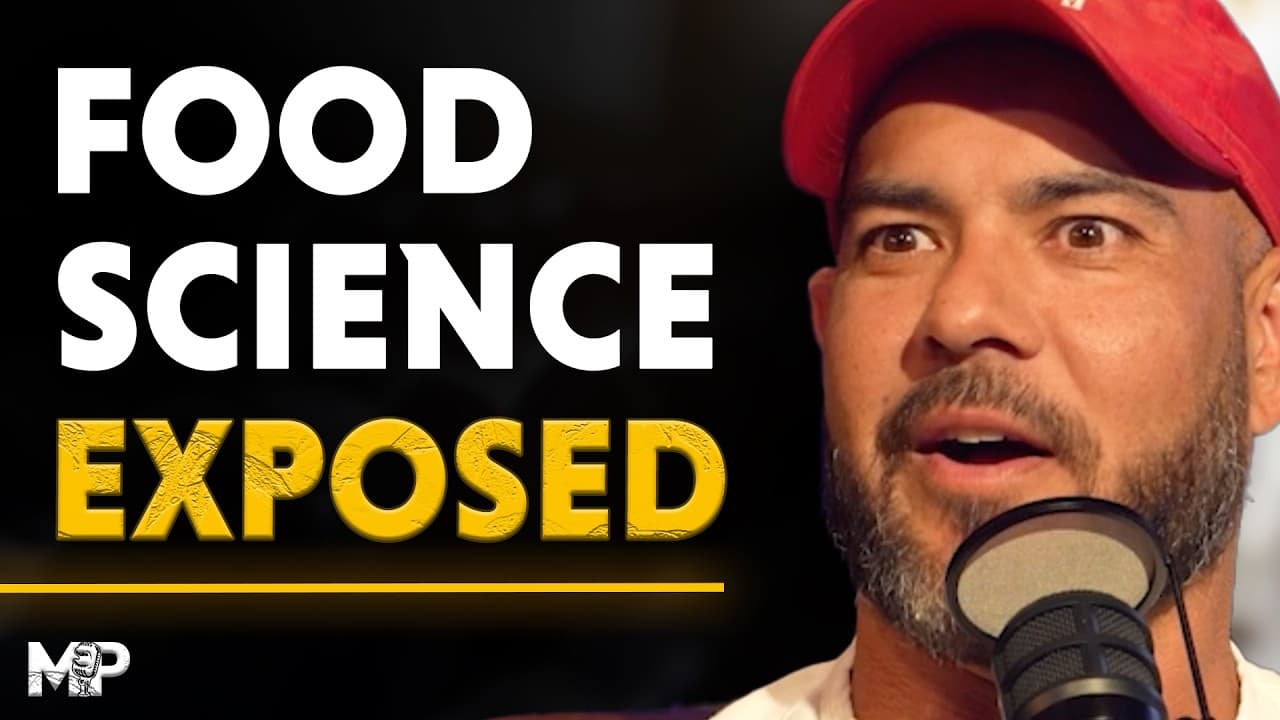
Why You Can’t Stop Eating These 10 Foods (The Science of Cravings) | Mind Pump 2674
TL;DR
Processed foods are engineered to be addictive, making weight loss challenging.
Transcript
If you're trying to lose weight, it isn't going to happen if you eat the following 10 foods. It's true. We're going to talk about the top 10 foods you can't stop eating. The science that supports what we're going to say. It talks about why they're so darn addictive. Let's go. I'm hungry. This is not a Rice Krispie treat. I know. No. No. That's a pr... Read More
Key Insights
- Processed foods are designed to encourage overeating, making it difficult to maintain a calorie deficit necessary for weight loss.
- Foods like potato chips, ice cream, and pizza are engineered for high palatability, combining sugar, salt, and fat to enhance enjoyment and encourage consumption.
- The 'If It Fits Your Macros' (IIFYM) approach can be misleading, as it often includes processed foods that make weight management more difficult.
- Social settings can increase food consumption, particularly with foods like pizza, which are often shared in group environments.
- Soda consumption is linked to rising obesity rates, as seen in Mexico's increased obesity following a rise in soda consumption.
- The addictive nature of certain foods is comparable to substances like tobacco, with food scientists using similar strategies to increase consumption.
- The documentary on 'The Biggest Loser' highlights the negative impact of extreme weight loss methods and the importance of sustainable, healthy approaches.
- Building muscle and focusing on whole foods can help combat pre-diabetes, emphasizing the importance of proper nutrition and exercise.
Install to Summarize YouTube Videos and Get Transcripts
Explore YouTube Video Summarizer or Get YouTube Transcript Extractor
Questions & Answers
Q: Why are processed foods so addictive?
Processed foods are engineered to be highly palatable by combining sugar, salt, and fat, which enhances the pleasure of eating and encourages overeating. This engineering is similar to strategies used in the tobacco industry to increase consumption.
Q: What is the impact of soda consumption on obesity?
Soda consumption is linked to rising obesity rates, as seen in Mexico's increased obesity following a rise in soda consumption. Soda is calorie-dense and lacks nutritional value, contributing to excess calorie intake and weight gain.
Q: How does social eating affect food consumption?
Social settings can increase food consumption, particularly with foods like pizza, which are often shared in group environments. Eating in social settings can lead to consuming more than intended due to the social nature of the experience.
Q: What are the criticisms of the 'If It Fits Your Macros' approach?
The 'If It Fits Your Macros' (IIFYM) approach can be misleading as it often includes processed foods that make weight management more difficult. While it allows for flexibility, it can encourage the inclusion of foods that are engineered to be addictive.
Q: What does the 'The Biggest Loser' documentary reveal?
The documentary on 'The Biggest Loser' highlights the negative impact of extreme weight loss methods and the importance of sustainable, healthy approaches. It criticizes the show's focus on rapid weight loss through extreme caloric restriction and intense exercise.
Q: How can building muscle help with pre-diabetes?
Building muscle can help combat pre-diabetes by increasing insulin sensitivity. Muscle tissue is insulin-sensitive, and increasing muscle mass can improve glucose metabolism, making it an important factor in managing and reversing pre-diabetes.
Q: What role do food scientists play in food addiction?
Food scientists, often with backgrounds in the tobacco industry, play a role in food addiction by engineering foods to be highly palatable. They focus on factors like crunch, mouthfeel, and aftertaste to create foods that encourage overeating.
Q: Why is it challenging to maintain a calorie deficit with processed foods?
Processed foods are designed to encourage overeating, making it difficult to maintain a calorie deficit necessary for weight loss. Their engineered palatability and addictive nature make it challenging to stop eating once you start, leading to excess calorie intake.
Summary & Key Takeaways
-
The episode discusses the addictive nature of processed foods, which are engineered to encourage overeating through a combination of sugar, salt, and fat. These foods make it challenging to maintain a calorie deficit, which is crucial for weight loss.
-
Social settings can increase food consumption, particularly with foods like pizza. The episode also highlights the impact of soda consumption on obesity rates, using Mexico as an example of how rising soda consumption correlates with increased obesity.
-
The show criticizes the 'If It Fits Your Macros' approach and the extreme methods used in 'The Biggest Loser,' advocating for sustainable weight loss methods focused on building muscle and whole foods, especially for those dealing with pre-diabetes.
Read in Other Languages (beta)
Share This Summary 📚
Summarize YouTube Videos and Get Video Transcripts with 1-Click
Try YouTube Summary with ChatGPT & Claude or YouTube Transcript Generator
Explore More Summaries from Mind Pump Show 📚


Summarize YouTube Videos and Get Video Transcripts with 1-Click
Try YouTube Summary with ChatGPT & Claude or YouTube Transcript Generator