How is WhatsApp Controlled in India?
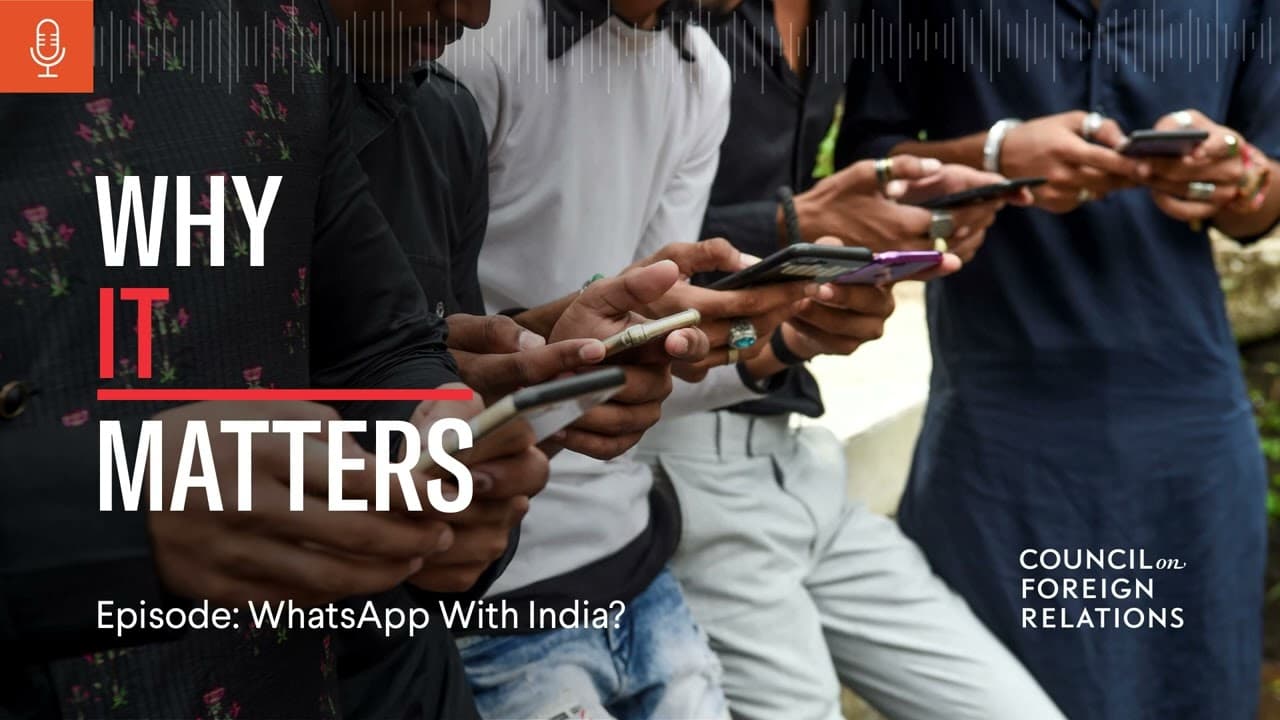
TL;DR
India's government challenges WhatsApp's encryption for national security.
Transcript
SIERRA: Hey everyone, a quick note before we start the show. So some of our colleagues produced this amazing online presentation about the international refugee crisis, and it’s been nominated for a Webby this year. I encourage you to check it out and if you like what you see, please vote for us. Voting closes on May 7th. So go to Vote.WebbyAwa... Read More
Key Insights
- India's government is proposing new rules to trace and censor private communications on platforms like WhatsApp, aiming to control misinformation and enhance national security.
- WhatsApp is crucial in India due to its accessibility for people with limited resources, making it a vital communication tool for millions.
- The Indian government seeks to trace message origins without breaking WhatsApp's encryption, raising concerns about privacy and potential misuse of surveillance powers.
- The ruling BJP party is known for its effective use of social media in politics, but also for implementing internet shutdowns to control information flow.
- Critics argue that the BJP's actions are part of a broader shift towards authoritarianism and could erode digital freedoms for India's 1.3 billion people.
- WhatsApp has implemented measures to combat misinformation, such as limiting message forwarding, but faces pressure to compromise on encryption.
- The outcome of this conflict could set a precedent for other countries, potentially leading to widespread adoption of similar surveillance measures.
- Tech companies, including WhatsApp, are under pressure to balance business interests with ethical considerations, especially in populous markets like India.
Install to Summarize YouTube Videos and Get Transcripts
Explore YouTube Video Summarizer or Get YouTube Transcript Extractor
Questions & Answers
Q: Why is WhatsApp so important in India?
WhatsApp is crucial in India due to its accessibility and affordability, making it a primary communication tool for millions, especially those with limited resources. It allows users to send messages without incurring costs associated with traditional SMS, and its multimedia features have made it popular across diverse demographics.
Q: What is the Indian government's stance on WhatsApp's encryption?
The Indian government is pushing for the ability to trace the origins of messages on WhatsApp, arguing it's necessary for national security and to combat misinformation. However, they claim they do not want to break the encryption itself but need traceability to identify the sources of harmful content.
Q: How has WhatsApp responded to the Indian government's demands?
WhatsApp has resisted breaking its end-to-end encryption, citing privacy concerns. Instead, it has implemented measures like limiting message forwarding to combat misinformation. The company is under pressure to find a balance between complying with government demands and maintaining user privacy.
Q: What are the implications of the Indian government's proposed regulations?
The proposed regulations could lead to increased government surveillance and censorship, potentially eroding digital freedoms in India. Critics fear it could set a precedent for other countries to implement similar measures, leading to a global impact on digital privacy and freedom.
Q: How does the BJP party utilize social media?
The BJP party effectively uses social media for political campaigns, taking inspiration from successful strategies like those used in Obama's campaign. However, they have also been criticized for contributing to misinformation and implementing internet shutdowns to control information flow.
Q: What are the concerns about the BJP's approach to digital regulation?
Critics argue that the BJP's approach is part of a broader shift towards authoritarianism, aiming to consolidate power and promote a Hindu nationalist agenda. There are fears that new surveillance tools could be used in discriminatory ways and undermine India's democratic spirit.
Q: What measures has WhatsApp taken to address misinformation?
WhatsApp has limited the number of people or groups a message can be forwarded to, aiming to slow the spread of misinformation. This measure was initially tested in India and later rolled out globally, demonstrating its effectiveness in curbing viral misinformation.
Q: What is at stake for tech companies like WhatsApp in India?
For tech companies like WhatsApp, India represents a massive market with significant business opportunities. However, they face the challenge of balancing ethical responsibilities with business interests, especially in the face of government demands that could compromise user privacy and freedom.
Summary & Key Takeaways
-
India's government is proposing new regulations to trace and censor private communications on platforms like WhatsApp, citing national security concerns. This move has raised significant privacy issues and fears of increased government surveillance.
-
WhatsApp, an essential communication tool for millions in India, is resisting government pressure to compromise its encryption. The outcome of this conflict could have global implications for digital privacy and freedom.
-
The ruling BJP party's actions are seen as part of a broader shift towards authoritarianism, with critics concerned about the erosion of digital freedoms in India. The situation highlights the challenges of balancing security with privacy in the digital age.
Read in Other Languages (beta)
Share This Summary 📚
Summarize YouTube Videos and Get Video Transcripts with 1-Click
Try YouTube Summary with ChatGPT & Claude or YouTube Transcript Generator
Explore More Summaries from Council on Foreign Relations 📚


Summarize YouTube Videos and Get Video Transcripts with 1-Click
Try YouTube Summary with ChatGPT & Claude or YouTube Transcript Generator