What Made Vietcong Booby Traps So Deadly?
TL;DR
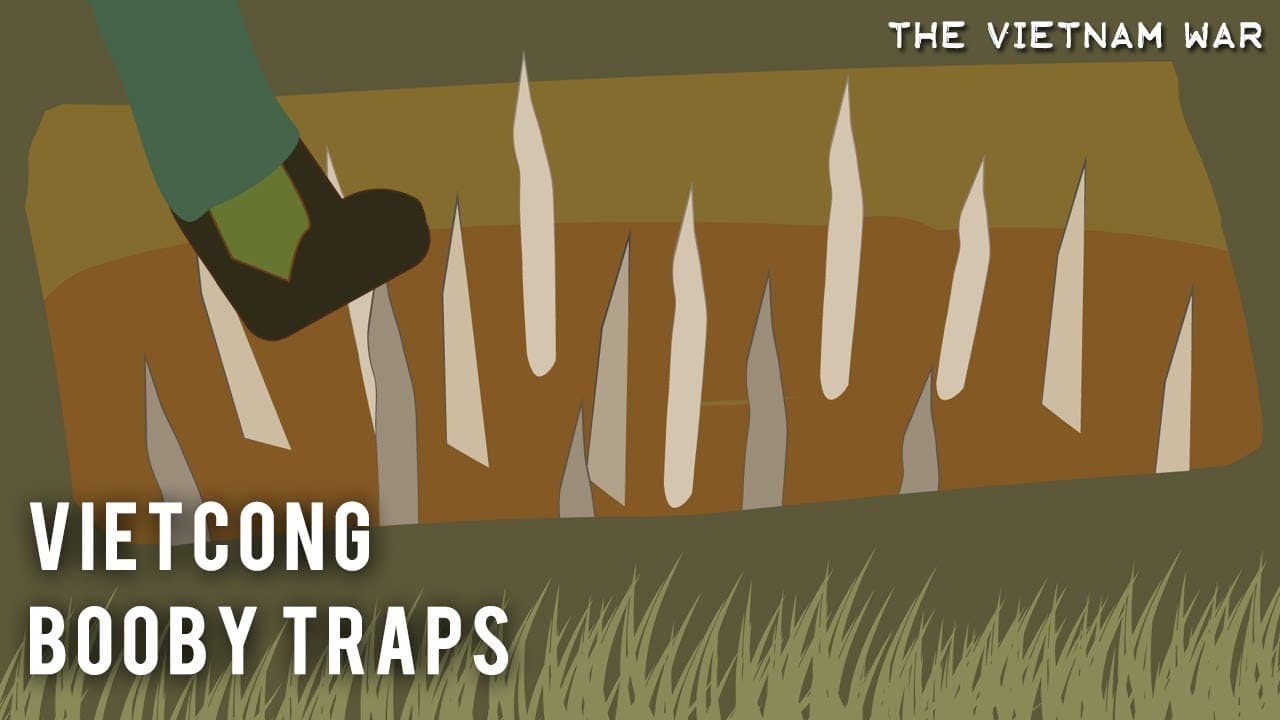
Vietcong booby traps were a pivotal, fear-inducing weapon in the Vietnam War, using simple materials like bamboo and mud to create deadly devices. These traps not only caused significant casualties among American soldiers but also instilled ongoing psychological stress throughout their operations, ultimately hindering their military effectiveness.
Transcript
this episode is brought to you by blanket look today we are all busy and have less and less time to do things you may think you don't have time to read a book and improve your knowledge but with blankets you can the reading app that has more than three million users around the world like our channel bling cos condenses history subjects into an easy... Read More
Key Insights
- 🇻🇳 Booby traps were an integral part of the war strategy used by the Viet Cong and NVA during the Vietnam War.
- 🪤 These traps were made from simple and widely available materials but were highly effective in causing casualties and disruption.
- 😨 The fear of booby traps created constant stress and severe mental fatigue among American soldiers in the field.
- 🪤 Different types of booby traps, including punji stakes, spike boards, trap bridges, and arrow traps, were strategically placed to slow down patrols and inflict harm.
- 🏈 Viet Cong soldiers were highly experienced in making and deploying booby traps, which were responsible for the deaths of many American soldiers.
- 🫱 Booby traps served both defensive and offensive purposes during the war.
- 🐢 The threat of booby traps was a significant hindrance to American forces, diverting resources and slowing their progress in the jungle.
Install to Summarize YouTube Videos and Get Transcripts
Explore YouTube Video Summarizer or Get YouTube Transcript Extractor
Questions & Answers
Q: What were the most commonly used materials to make Vietcong booby traps?
Vietcong booby traps were made from simple materials like bamboo, iron, mud, and coconuts. These materials were widely available in the jungle and were used to create deadly contraptions.
Q: How effective were booby traps in slowing down American forces?
Booby traps were highly effective in disrupting American forces. Soldiers had to move cautiously due to the constant threat of traps, diverting resources towards clearance operations and slowing down their progress significantly.
Q: Did booby traps have psychological effects on American soldiers?
Yes, the fear of booby traps created constant stress and severe mental fatigue among field units. The threat of hidden traps added to the already high tension and fear experienced by soldiers during patrols.
Q: What were some of the different types of booby traps used during the Vietnam War?
Some of the commonly used booby traps included punji stakes, spike boards, trap bridges, venus flytraps, mace traps, door traps, whip traps, snake pits, hornet traps, and arrow traps.
Summary & Key Takeaways
-
During the Vietnam War, soldiers faced the constant danger of booby traps, which were an integral part of the Viet Cong and NVA's war strategy.
-
Booby traps were primitive and made from easily available materials, but they were highly effective in delaying and disrupting American forces and causing casualties.
-
Different types of booby traps, including punji stakes, spike boards, trap bridges, and arrow traps, were used tactically to slow down patrols and inflict harm.
Read in Other Languages (beta)
Share This Summary 📚
Summarize YouTube Videos and Get Video Transcripts with 1-Click
Try YouTube Summary with ChatGPT & Claude or YouTube Transcript Generator
Explore More Summaries from Simple History 📚

Summarize YouTube Videos and Get Video Transcripts with 1-Click
Try YouTube Summary with ChatGPT & Claude or YouTube Transcript Generator