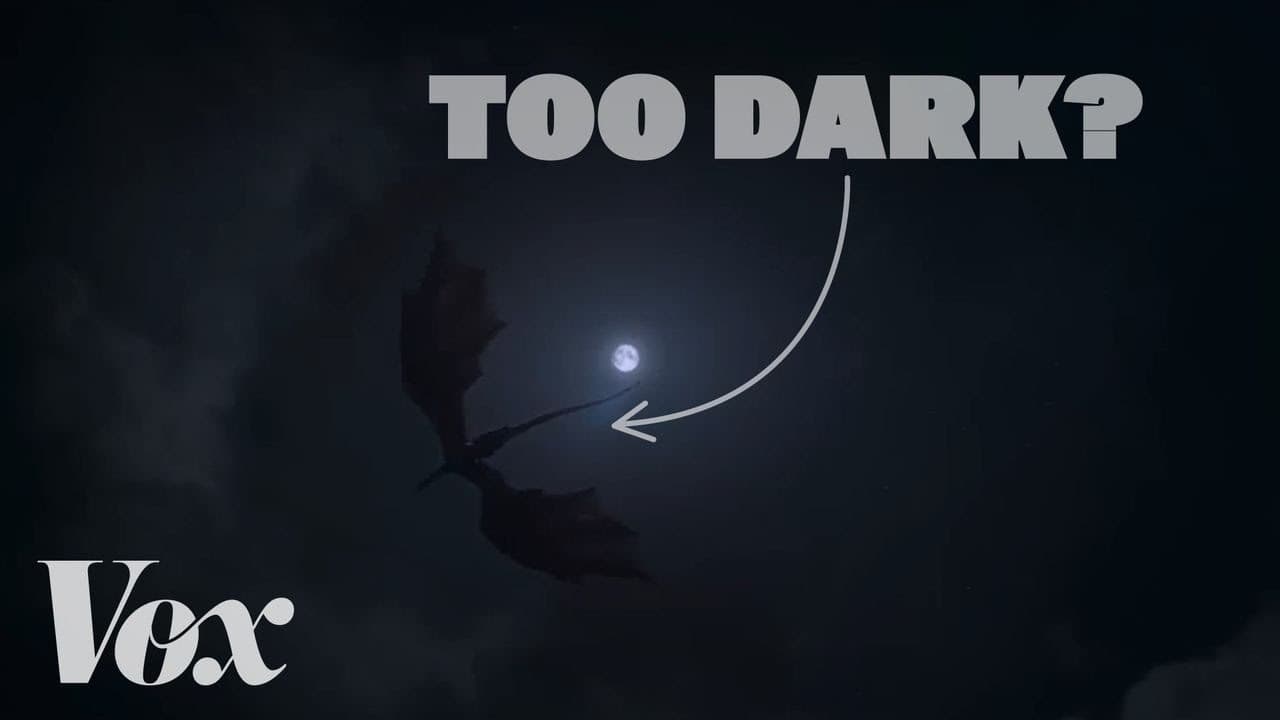
It’s not you - movies are getting darker.
TL;DR
Movies and TV are darker due to digital filming.
Transcript
Oh. You think darkness is your ally? You merely adopted the dark. I was born in it. Molded by it. Ahem. That's my impression of Bane in 2012's "The Dark Knight Rises" when he's chastising Batman for using the dark to his advantage. Now my impression sucks, but there's arguably no character more associated with the movie darkness than Batman. Wi... Read More
Key Insights
- The transition from film to digital cameras has allowed filmmakers to experiment more with darkness, as digital provides more control and flexibility in post-production.
- Batman is a prime example of the shift towards darker visuals, evolving from colorful 1960s films to the dark tone of 2022's 'The Batman'.
- Digital cameras capture more detail in highlights and shadows, allowing for deeper exploration of contrast without losing image quality.
- Filmmakers use darkness to guide viewer focus and create mood, but must balance it to ensure audiences can still enjoy the content.
- The shift to digital has led to more risks being taken with lighting, as cinematographers can see the final product in real-time and make adjustments.
- Technological advancements like infrared cameras are pushing the boundaries of how darkness is portrayed, offering new creative possibilities.
- Darkness in films and TV is both an aesthetic choice and a result of technological evolution, reflecting grittier and darker narrative tones.
- Filmmakers face challenges in ensuring their intended visual experience translates across different viewing platforms, from high-quality theaters to home screens.
Install to Summarize YouTube Videos and Get Transcripts
Explore YouTube Video Summarizer or Get YouTube Transcript Extractor
Questions & Answers
Q: Why are movies and TV shows getting darker?
Movies and TV shows are getting darker primarily due to the transition from film to digital cameras. Digital technology provides filmmakers with more control over lighting and exposure, allowing for greater experimentation with darkness. This shift also aligns with the trend towards grittier, darker narratives, where visual aesthetics reflect the tone of the content.
Q: How has the transition to digital cameras impacted filmmaking?
The transition to digital cameras has impacted filmmaking by providing cinematographers with real-time feedback on lighting and exposure, enabling them to take more creative risks. Digital cameras capture more detail in highlights and shadows, offering greater flexibility in post-production and allowing filmmakers to experiment with darker scenes without sacrificing image quality.
Q: What challenges do filmmakers face with darker visuals?
Filmmakers face the challenge of balancing artistic intent with audience accessibility when using darker visuals. While darkness can enhance mood and focus, it risks obscuring important visual information, potentially detracting from viewer enjoyment. Additionally, filmmakers must consider how their work will be viewed on various platforms, ensuring the intended experience translates across different screen qualities.
Q: How do digital cameras allow for more creative lighting choices?
Digital cameras allow for more creative lighting choices by providing real-time monitoring of scenes, enabling cinematographers to see and adjust the final product as they shoot. This capability encourages experimentation with lighting and exposure, as filmmakers can confidently explore darker scenes knowing they can refine the image in post-production without losing quality.
Q: What role does technology play in the evolution of movie darkness?
Technology plays a crucial role in the evolution of movie darkness by offering advanced tools like digital cameras and infrared technology. These innovations allow filmmakers to capture more detail in low-light conditions and explore new creative possibilities, such as blending different visual elements to create unique dark scenes that enhance narrative depth and viewer engagement.
Q: How do filmmakers ensure their vision is accurately represented on different screens?
Filmmakers ensure their vision is accurately represented on different screens by calibrating their work on high-quality monitors and considering how it will appear on various platforms. They aim to create a balanced visual experience that maintains artistic intent while being adaptable to different viewing environments, from theaters to home screens, despite the inherent challenges in predicting audience viewing conditions.
Q: What examples illustrate the trend towards darker movie visuals?
Examples illustrating the trend towards darker movie visuals include the Batman franchise, which has evolved from the colorful films of the 1960s to the dark, gritty aesthetic of 2022's 'The Batman'. Other examples include 'Game of Thrones', 'Stranger Things', and the 'Harry Potter' series, all of which have embraced darker tones to align with their narrative themes.
Q: What advancements are pushing the boundaries of how darkness is portrayed in films?
Advancements like infrared cameras are pushing the boundaries of how darkness is portrayed in films. These cameras capture light from invisible sections of the spectrum, allowing filmmakers to create unique visual effects and explore deeper, more nuanced portrayals of darkness. This technology expands creative possibilities and enhances the storytelling potential of dark scenes.
Summary & Key Takeaways
-
The shift from film to digital has significantly influenced the way movies and TV shows are lit, allowing for darker scenes due to better control and flexibility in post-production.
-
Batman films illustrate the trend towards darker visuals, with the latest iterations embracing a much grittier aesthetic compared to the vibrant colors of earlier decades.
-
While digital technology enables filmmakers to take more risks with lighting, they must carefully balance artistic intent with audience enjoyment to ensure the content remains accessible.
Read in Other Languages (beta)
Share This Summary 📚
Summarize YouTube Videos and Get Video Transcripts with 1-Click
Try YouTube Summary with ChatGPT & Claude or YouTube Transcript Generator
Explore More Summaries from Vox 📚

Summarize YouTube Videos and Get Video Transcripts with 1-Click
Try YouTube Summary with ChatGPT & Claude or YouTube Transcript Generator