What Is Data and Algorithmic Literacy in Media?
TL;DR
Data literacy involves understanding and analyzing the vast amounts of information generated online, while algorithmic literacy focuses on how algorithms tailor media content using personal data. Both are crucial for navigating today's media landscape effectively, and a healthy skepticism is essential for critically evaluating media messages and recognizing personalized experiences.
Transcript
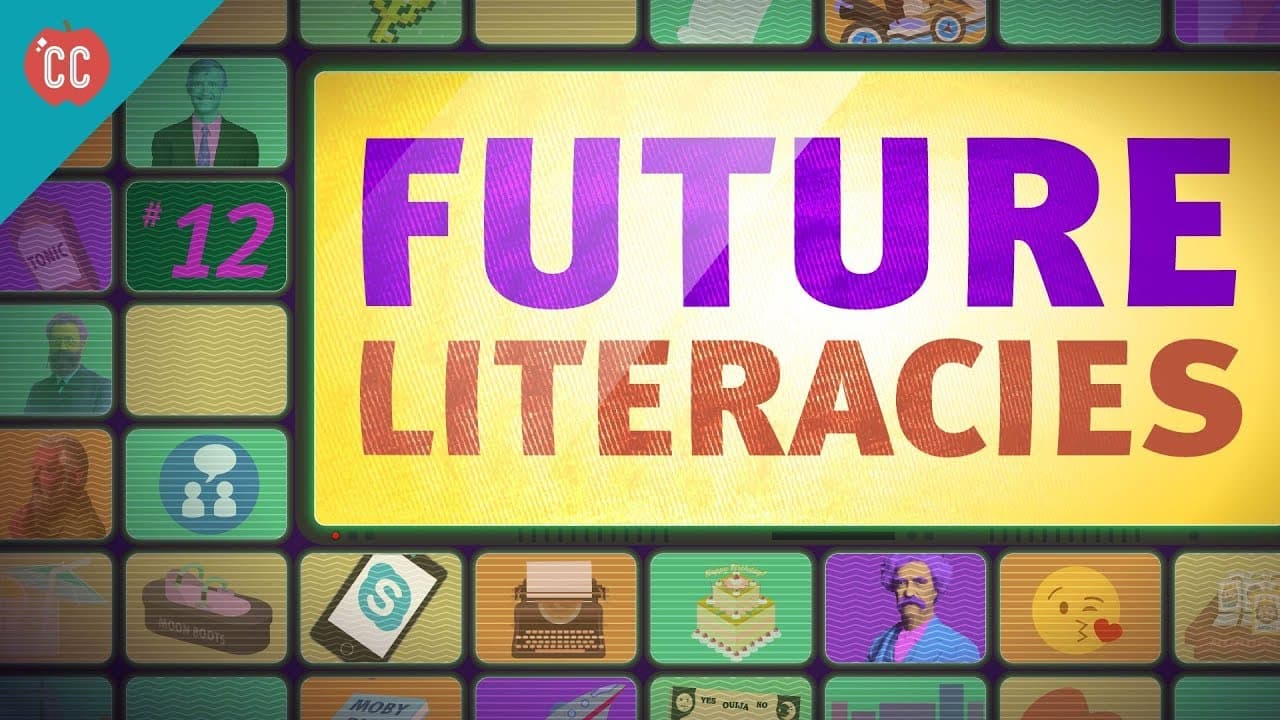
Facebook first launched in 2004. YouTube came out in 2005. Twitter and Spotify: 2006. The first iPhone was released in 2007. Snapchat launched in 2011 and so did Siri. Tinder was founded in 2012. Google Glass was first released in 2013. Amazon’s Echo smart speaker came out in 2015. From social media to smartphones to augmented reality devices to sm... Read More
Key Insights
- Technological advancements have significantly altered media interactions, introducing new platforms and devices that transform communication and media consumption.
- Data literacy is crucial as it involves understanding and analyzing vast amounts of data generated online, highlighting the need for context and skepticism in interpreting data.
- Algorithmic literacy focuses on understanding how algorithms use personal data to tailor media content, emphasizing the importance of recognizing personalized media experiences.
- The concept of the 'filter bubble' illustrates how algorithms can create personalized media environments that limit exposure to diverse perspectives.
- Skepticism remains a fundamental principle in media literacy, encouraging critical evaluation of media content rather than passive consumption.
- The rapid pace of technological change necessitates adaptable media literacy skills to navigate future media landscapes effectively.
- Media literacy education should prepare individuals to question and analyze media content, fostering informed and critical media consumers.
- As media creators and consumers, individuals have a responsibility to engage with media thoughtfully and collaboratively.
Install to Summarize YouTube Videos and Get Transcripts
Explore YouTube Video Summarizer or Get YouTube Transcript Extractor
Questions & Answers
Q: What is data literacy and why is it important?
Data literacy involves understanding and analyzing data, which is crucial due to the vast amounts of data generated online. It helps individuals interpret data accurately, considering context and potential biases. This literacy is essential for making informed decisions and understanding the media landscape, where data often influences perceptions and decisions.
Q: How do algorithms affect media consumption?
Algorithms use personal data to tailor media content, creating personalized media experiences. They determine what content is shown based on user preferences and interactions, often leading to a 'filter bubble' where individuals are exposed to limited perspectives. Understanding algorithms is crucial for recognizing these personalized experiences and seeking diverse viewpoints.
Q: What is the 'filter bubble' and its implications?
The 'filter bubble' refers to the personalized media environment created by algorithms that show content aligned with user preferences. This can limit exposure to diverse perspectives and reinforce existing beliefs. Recognizing the 'filter bubble' is important for seeking out varied viewpoints and ensuring a well-rounded understanding of the world.
Q: Why is skepticism important in media literacy?
Skepticism is crucial in media literacy as it encourages critical evaluation of media content rather than passive acceptance. By questioning the truth and context of media, individuals can avoid falling into cognitive traps and make informed decisions. Skepticism helps in recognizing biases and seeking a deeper understanding of media messages.
Q: How can individuals adapt to the changing media landscape?
Adapting to the changing media landscape involves developing versatile media literacy skills that can be applied to new technologies and platforms. This includes understanding data and algorithmic literacy, questioning media content critically, and remaining open to diverse perspectives. Continuous learning and skepticism are key to navigating future media challenges.
Q: What role do individuals play as media creators and consumers?
As media creators and consumers, individuals have a responsibility to engage thoughtfully with media. This involves creating and sharing content responsibly, considering the impact of media messages, and fostering informed discussions. By being critical consumers and creators, individuals can contribute to a more informed and diverse media landscape.
Q: How has technology transformed media interactions?
Technology has transformed media interactions by introducing new platforms and devices, such as social media, smartphones, and smart speakers. These advancements have changed how people communicate, access information, and consume media. Understanding these changes is crucial for adapting media literacy skills to navigate the evolving media environment effectively.
Q: What is the significance of media literacy education?
Media literacy education is significant as it prepares individuals to navigate the complex media landscape critically. It equips them with the skills to analyze media content, recognize biases, and question media messages. This education fosters informed media consumers who can engage with media thoughtfully and adapt to future technological changes.
Summary & Key Takeaways
-
The video discusses the evolution of media literacy in response to technological advancements, highlighting the importance of data and algorithmic literacy in understanding media content. It emphasizes the need for skepticism in evaluating media and the role of algorithms in shaping personalized media experiences.
-
Data literacy involves analyzing and interpreting data generated online, while algorithmic literacy focuses on understanding how algorithms use personal data to tailor media content. The video underscores the importance of questioning media content and recognizing the impact of personalized media environments.
-
The video concludes by emphasizing the significance of skepticism in media literacy, encouraging individuals to critically evaluate media content. It highlights the responsibility of media creators and consumers to engage thoughtfully with media and adapt to the changing media landscape.
Read in Other Languages (beta)
Share This Summary 📚
Summarize YouTube Videos and Get Video Transcripts with 1-Click
Try YouTube Summary with ChatGPT & Claude or YouTube Transcript Generator
Explore More Summaries from CrashCourse 📚

Summarize YouTube Videos and Get Video Transcripts with 1-Click
Try YouTube Summary with ChatGPT & Claude or YouTube Transcript Generator