Why the government should provide internet access
TL;DR
Internet access should be a public utility for all.
Transcript
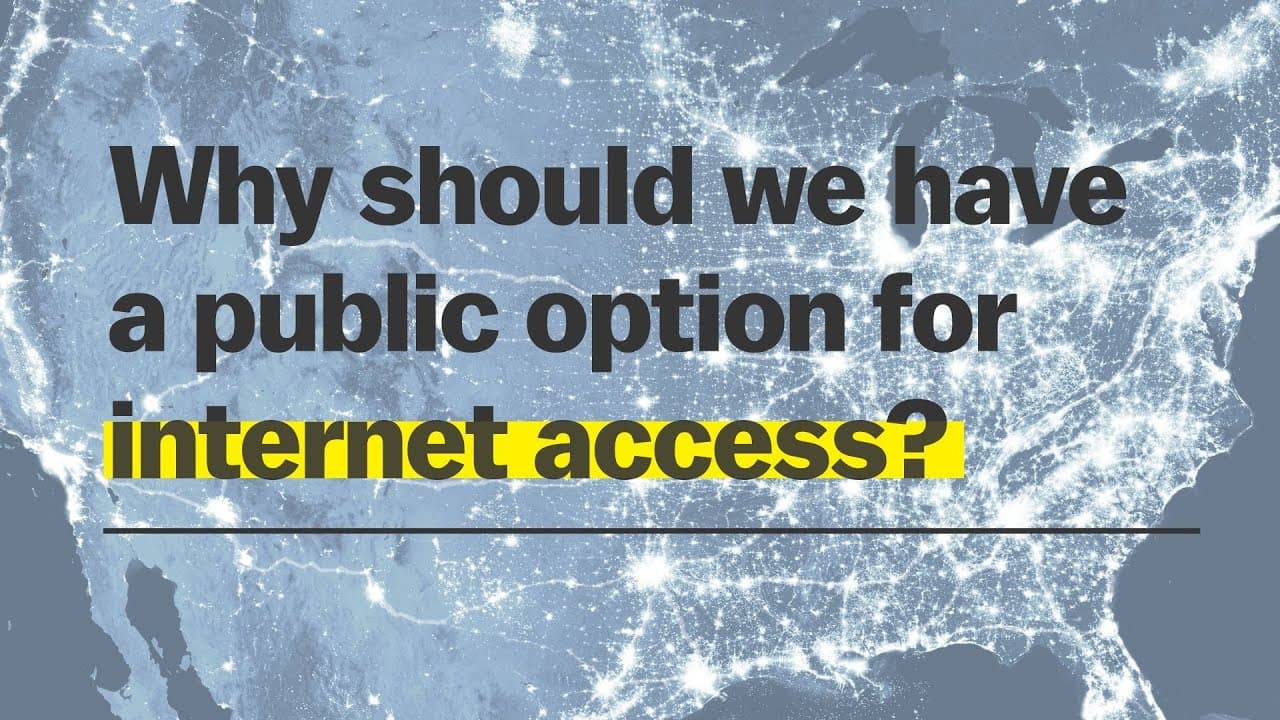
why should we have a public option for internet access we need a public option for internet access because internet access is just like electricity or a road grid this is something that the private Market doesn't provide left to its own devices what they'll do is systematically provide extraordinarily expensive services for the richest people in Am... Read More
Key Insights
- Internet access should be treated as a public utility, similar to electricity and roads, to ensure equitable access for all.
- The private market often fails to provide affordable, high-speed internet to all areas, focusing instead on wealthy regions for profit.
- The U.S. lags behind other countries like Sweden and South Korea in fiber penetration and high-speed internet access.
- A public option for internet access could foster competition, drive down prices, and improve service quality.
- The lack of competition has led to monopolies in many areas, resulting in high prices and limited options for consumers.
- Net neutrality is crucial for maintaining an open internet where new companies can thrive without needing permission or paying fees to large incumbents.
- State laws often restrict cities from developing their own internet infrastructure, limiting local innovation and progress.
- Leadership and public understanding are essential for driving the political will to implement widespread fiber internet access.
Install to Summarize YouTube Videos and Get Transcripts
Explore YouTube Video Summarizer or Get YouTube Transcript Extractor
Questions & Answers
Q: Why is internet access compared to utilities like electricity?
Internet access is compared to utilities like electricity because it is essential for modern life, much like electricity or roads. It should be universally available and affordable to ensure everyone can participate in the digital economy and society, similar to how electricity powers homes and businesses.
Q: What are the shortcomings of the private market in providing internet?
The private market often focuses on profitability, serving wealthier areas while neglecting less dense or rural regions. This results in limited competition, high prices, and inadequate service for many Americans. The market's failure to provide equitable access highlights the need for a public internet option.
Q: How does the U.S. compare internationally in internet access?
The U.S. lags behind countries like Sweden, South Korea, and Japan in fiber penetration and high-speed internet availability. While these countries offer affordable gigabit access, most Americans rely on slower, more expensive connections, limiting the nation's competitiveness and innovation potential.
Q: What role does net neutrality play in internet access?
Net neutrality ensures an open internet where all users and companies have equal access without paying additional fees to large providers. It fosters innovation by allowing new companies to launch services without barriers, maintaining a level playing field and preventing monopolistic practices by incumbents.
Q: Why are state laws restricting municipal internet projects?
State laws often restrict municipal internet projects due to lobbying by incumbent providers who fear competition. These laws prevent cities from developing their own infrastructure, limiting local innovation and keeping prices high. Overturning these laws would allow cities to pursue public internet options.
Q: What is the argument for treating internet access as a public option?
Treating internet access as a public option would ensure universal, affordable access, similar to the postal service. It would address market failures, promote competition, and provide the infrastructure needed for economic growth and innovation, benefiting society as a whole rather than prioritizing profits.
Q: How does leadership influence internet infrastructure development?
Leadership plays a crucial role in driving infrastructure development by setting priorities and mobilizing resources. Historical examples like Eisenhower's highway system and Roosevelt's electrification efforts show that visionary leaders can overcome obstacles and implement large-scale projects that benefit the entire nation.
Q: What challenges exist in implementing a public internet option?
Challenges include overcoming political and regulatory barriers, such as state laws restricting municipal projects, and garnering public support. Additionally, the entrenched interests of incumbent providers and the need for significant investment in infrastructure make it difficult to transition to a public internet model.
Summary & Key Takeaways
-
The discussion emphasizes the need for internet access to be treated as a public utility, ensuring equitable access and fostering competition. The current private market model often leads to monopolies and high prices, leaving many areas underserved.
-
Comparing the U.S. to other countries, the conversation highlights the nation's lag in high-speed internet access and fiber penetration. A public option could help the U.S. catch up and maintain its innovative edge.
-
Net neutrality and deregulation issues are discussed, with concerns about large companies charging fees to access their networks. The conversation also covers the political and regulatory challenges in implementing public internet options.
Read in Other Languages (beta)
Share This Summary 📚
Summarize YouTube Videos and Get Video Transcripts with 1-Click
Try YouTube Summary with ChatGPT & Claude or YouTube Transcript Generator
Explore More Summaries from Vox 📚




Summarize YouTube Videos and Get Video Transcripts with 1-Click
Try YouTube Summary with ChatGPT & Claude or YouTube Transcript Generator