What Matters Next? The Future of Higher Education
TL;DR
Reflecting on the past, present limbo, and moving toward a learner-centered future in higher education.
Transcript
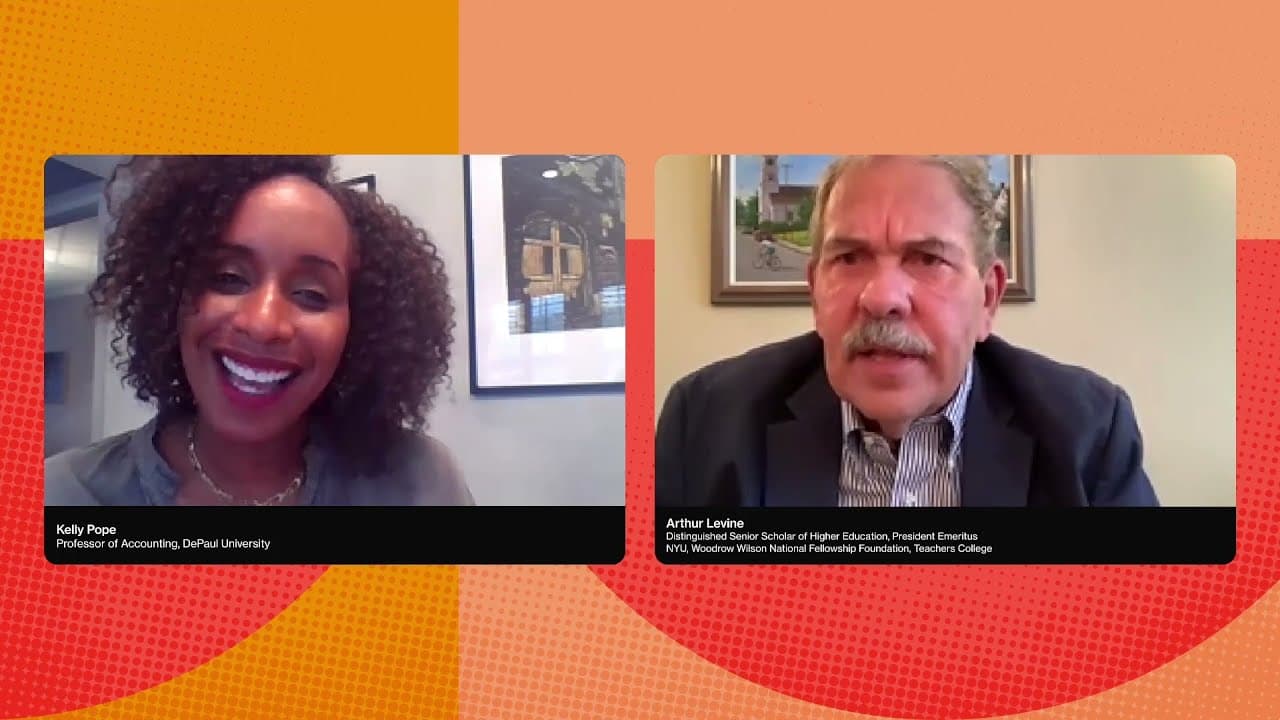
author we're gonna just have a conversation just like it's you and me okay you got it i'm honest i'm honored to be talking to you but um i'll tell you a personal story um as harriet said i was just promoted um to full professor and you know maybe it's the covet fog or maybe it's my questions of what's next in higher education but for some reason i ... Read More
Key Insights
- ✋ Higher education's historical trends offer valuable insights into anticipating future shifts.
- ✋ The current stage of experimentation in higher education impacts student and faculty experiences.
- ✋ Looking at other industries horizontally can inform innovative practices in higher education.
- ✋ The importance of bridging learning with workforce readiness in higher education.
- 🪡 The unbundling of the curriculum signals the need for adaptive approaches to education.
- 🎓 Community and human interaction remain essential in reshaping the future of education.
- 👶 Faculty innovation requires integrating new pedagogies while fostering ownership among colleagues.
Install to Summarize YouTube Videos and Get Transcripts
Explore YouTube Video Summarizer or Get YouTube Transcript Extractor
Questions & Answers
Q: How does the historical perspective of higher education guide us in understanding where we are headed?
Understanding past transformations in higher education helps us see the patterns of change and anticipate future directions, guiding us in preparing for what lies ahead.
Q: How does the current limbo between experimentation and creating new models affect student and faculty experiences?
Being in this limbo stage signifies ongoing transformations that impact how students learn and how faculty engage in shaping the future of higher education.
Q: Why is it crucial for faculty to look sideways at other industries when considering the future of higher education?
Insights from industries like film, music, and newspapers underscore the importance of forward-thinking to adapt to changing times, urging faculty to innovate in response to evolving student needs.
Q: How can higher education better align learning with workforce readiness and job skills to prepare students for the future?
By emphasizing critical thinking, creativity, continuous learning, and collaboration, higher education can equip students with skills essential for navigating an ever-changing job market.
Summary & Key Takeaways
-
Reflecting on the past of higher education, recognizing the cycles of change.
-
Being in a limbo between experimentation and creating new models impacts student and faculty experiences.
-
Looking sideways at other industries can offer insights for higher education's future direction.
Read in Other Languages (beta)
Share This Summary 📚
Summarize YouTube Videos and Get Video Transcripts with 1-Click
Try YouTube Summary with ChatGPT & Claude or YouTube Transcript Generator
Explore More Summaries from Course Hero 📚

Summarize YouTube Videos and Get Video Transcripts with 1-Click
Try YouTube Summary with ChatGPT & Claude or YouTube Transcript Generator