Place-Based Learning: Using Your Location as a Classroom
TL;DR
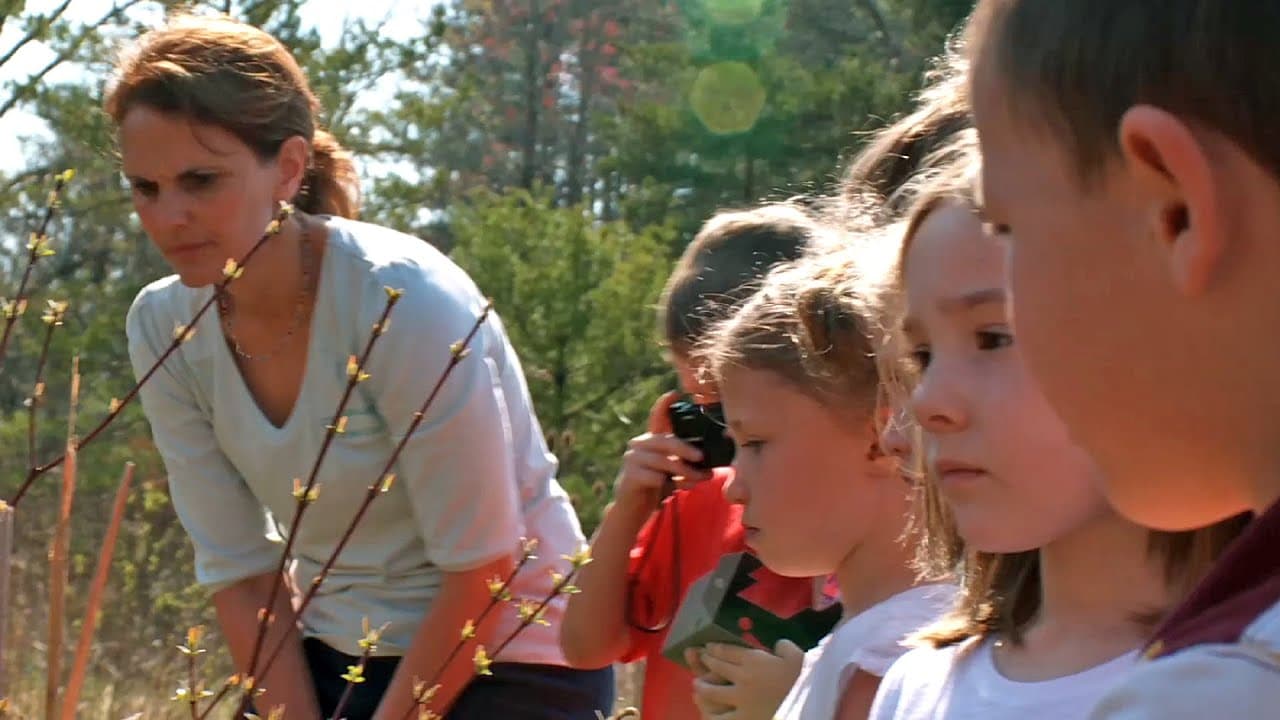
Place-based learning utilizes the environment as a tool for education, connecting students to their surroundings and fostering engagement and critical thinking.
Transcript
Dana McCauley: They're connecting, they're learning They're constantly engaged in it. They're thinking about what they're doing and why they're doing it and how it impacts a bigger picture. >>For us, place-based learning is using the environment as the tool, using our place as our tool for learning. >>Susan Friend: Here we go. Everybody's ready. ... Read More
Key Insights
- 🧑🎓 Place-based learning utilizes the local environment as a tool for education, making learning relevant and engaging for students.
- 👻 It allows students to explore their surroundings, fostering a deeper understanding of habitats, animals, and ecosystems.
- 🤗 By providing hands-on experiences, place-based learning promotes critical thinking skills and encourages students to take ownership and responsibility for their local environment.
- 👳 Place-based learning is not restricted to natural environments and can be implemented in urban areas as well.
Install to Summarize YouTube Videos and Get Transcripts
Explore YouTube Video Summarizer or Get YouTube Transcript Extractor
Questions & Answers
Q: How does place-based learning make education more relevant for students?
Place-based learning connects students to their local environment, making their education more relevant by providing real-world context and applicability to their surroundings. By learning about their own surroundings, students can see the direct impacts and connections to their own lives.
Q: Can place-based learning be implemented in urban areas?
Yes, place-based learning can be implemented in urban areas as well. Even in the absence of traditional natural habitats like forests and streams, students can explore their neighborhoods, identifying unique features and hidden corners that can be used for educational purposes.
Q: How does place-based learning promote critical thinking skills?
Place-based learning requires students to think deeply about the impact of their actions on the environment. By engaging in hands-on activities and projects, students learn to think critically, developing problem-solving skills and considering the larger implications of their actions.
Q: How does place-based learning foster a sense of ownership and responsibility?
By studying and caring for their local environment, students develop a sense of ownership and responsibility for their surroundings. They learn the importance of protecting and preserving their environment and become active participants in making positive changes in their communities.
Summary & Key Takeaways
-
Place-based learning involves using the local environment as a resource for education, making learning relevant and real for students.
-
By exploring their surroundings, students can develop a deeper understanding of habitats, animals, and ecosystems, enhancing their scientific knowledge.
-
Place-based learning allows students to actively participate in experiments, field trips, and projects, providing a hands-on and engaging educational experience.
Read in Other Languages (beta)
Share This Summary 📚
Summarize YouTube Videos and Get Video Transcripts with 1-Click
Try YouTube Summary with ChatGPT & Claude or YouTube Transcript Generator
Explore More Summaries from Edutopia 📚


Summarize YouTube Videos and Get Video Transcripts with 1-Click
Try YouTube Summary with ChatGPT & Claude or YouTube Transcript Generator