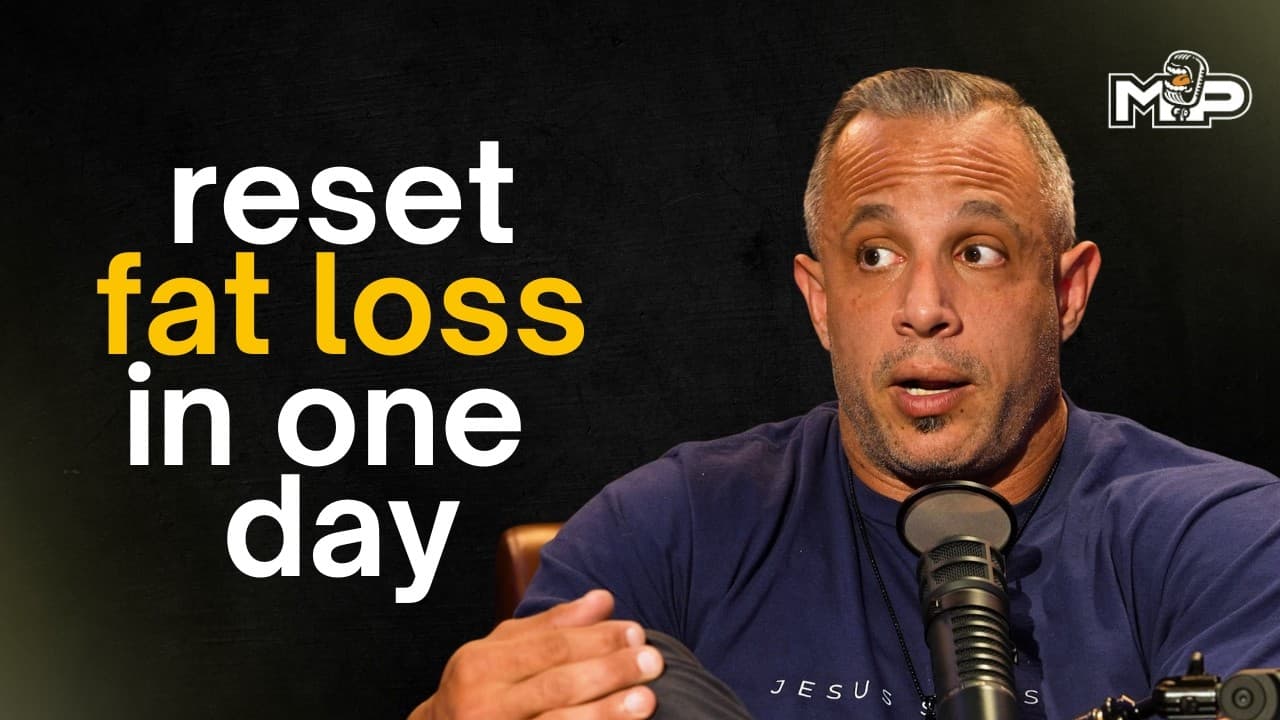
Get Back On Track with The 24-Hour Reset HACK | Mind Pump 2700
TL;DR
Learn how to recover from fitness setbacks with the 24-hour reset hack.
Transcript
The fail rate on fitness, the amount of people that gain weight after they lose it, uh, is 90 plus% after the first year. It's huge. Why? Well, there's a lot of reasons why, but one of them is when people make a mistake, they make two big mistakes afterwards, and it's very difficult to get back on track. So, here's what we're going to do today. We'... Read More
Key Insights
- The fail rate for maintaining weight loss is alarmingly high, with over 90% of people regaining weight within a year.
- Common mistakes after a setback include overcorrection, which can lead to burnout and eventual failure.
- Shame is a short-term motivator but leads to long-term failure; grace and self-compassion are crucial.
- The 24-hour reset hack involves pausing, acknowledging setbacks, and giving oneself grace to move forward.
- Taking immediate, small, healthy actions after a setback can help reset the mindset and prevent spiraling.
- Setting realistic, manageable goals and avoiding overcommitment are key to long-term fitness success.
- Confiding in a supportive group or individual can provide encouragement and accountability during setbacks.
- The ultimate goal of fitness should be sustainability and finding a routine that can be maintained for life.
Install to Summarize YouTube Videos and Get Transcripts
Explore YouTube Video Summarizer or Get YouTube Transcript Extractor
Questions & Answers
Q: What is the 24-hour reset hack?
The 24-hour reset hack is a strategy to help individuals recover from fitness setbacks. It involves pausing to acknowledge the setback, giving oneself grace, taking a small, healthy action immediately, and setting a manageable goal for the next day. This approach aims to reset the mindset and prevent spiraling into further setbacks.
Q: Why is overcorrection after a setback problematic?
Overcorrection is problematic because it often leads to burnout and failure. When individuals try to compensate for a setback by drastically increasing exercise intensity or restricting calories, it can create an unsustainable routine. This approach is rooted in punishment and shame, which are not effective long-term motivators and can lead to giving up entirely.
Q: How can grace and self-compassion aid in fitness success?
Grace and self-compassion are crucial for long-term fitness success because they help individuals move past setbacks without falling into a cycle of shame and punishment. By acknowledging that setbacks are part of the journey and treating oneself with kindness, individuals can maintain motivation and develop a sustainable, positive relationship with fitness.
Q: What role does a supportive community play in overcoming fitness setbacks?
A supportive community provides encouragement, accountability, and motivation during fitness setbacks. Confiding in a trusted group or individual can help individuals feel supported and less alone in their journey. This support can be crucial in maintaining motivation and preventing the abandonment of fitness goals.
Q: How can individuals set realistic fitness goals?
Setting realistic fitness goals involves assessing one's current capabilities and lifestyle to avoid overcommitment. It requires honesty about what is sustainable in the long term and may involve adjusting goals to prevent repeated failures. Realistic goals should be achievable, measurable, and aligned with one's long-term health objectives.
Q: What is the ultimate goal of a fitness journey, according to the podcast?
The ultimate goal of a fitness journey, as discussed in the podcast, is sustainability. The focus should be on developing a routine that can be maintained for life rather than achieving quick, short-term results. This lifelong commitment to health involves finding a balance that is enjoyable and fits into one's lifestyle.
Q: How can individuals avoid the trap of shame in their fitness journey?
To avoid the trap of shame, individuals should focus on self-compassion and grace. This involves acknowledging setbacks without self-criticism and understanding that they are a normal part of the fitness journey. By focusing on positive actions and self-care, individuals can maintain motivation without relying on shame as a motivator.
Q: What immediate actions can individuals take after a fitness setback?
After a fitness setback, individuals can take immediate actions such as going for a walk, meditating, or performing a small, healthy activity. These actions help reset the mindset and reinforce positive behavior, preventing further spiraling. The key is to choose an activity that feels manageable and aligns with one's health goals.
Summary & Key Takeaways
-
The podcast discusses the high fail rate in weight maintenance, emphasizing that over 90% of people regain weight within a year. It highlights the importance of understanding common pitfalls like overcorrection and emphasizes the need for grace and self-compassion.
-
The hosts introduce the 24-hour reset hack, which includes pausing, acknowledging setbacks, and giving oneself grace. They stress the importance of taking small, healthy actions immediately after a setback to reset the mindset and prevent further spiraling.
-
Long-term fitness success is discussed, focusing on setting realistic goals and the importance of a supportive community. The hosts highlight that sustainability and a lifelong commitment to health should be the ultimate fitness goals.
Read in Other Languages (beta)
Share This Summary 📚
Summarize YouTube Videos and Get Video Transcripts with 1-Click
Try YouTube Summary with ChatGPT & Claude or YouTube Transcript Generator
Explore More Summaries from Mind Pump Show 📚




Summarize YouTube Videos and Get Video Transcripts with 1-Click
Try YouTube Summary with ChatGPT & Claude or YouTube Transcript Generator