What Is Stanford's CS230 Deep Learning Course About?
TL;DR
Stanford's CS230 Deep Learning course aims to equip students with expertise in building and applying deep learning systems. Utilizing a flipped classroom format, the course focuses on practical applications, covering topics like neural networks, optimization algorithms, and strategic data acquisition. It prepares students to leverage deep learning in various industries, emphasizing both technical knowledge and practical know-how.
Transcript
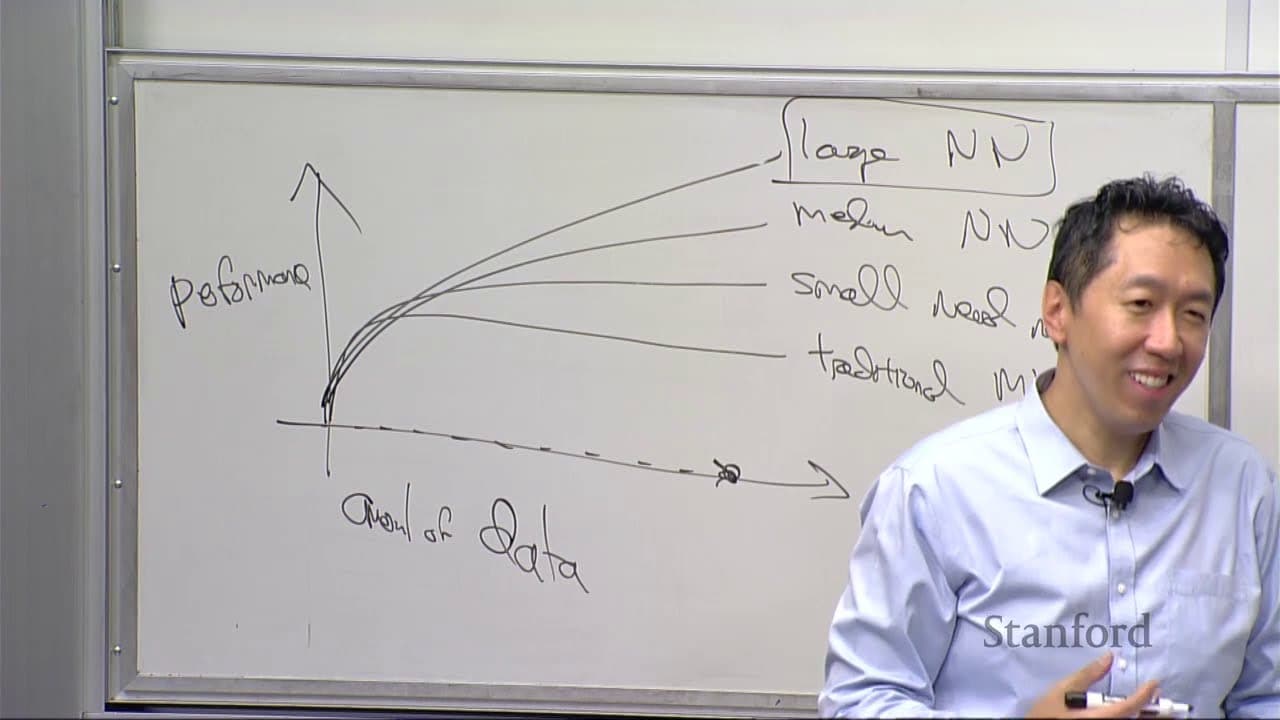
[NOISE] Okay. Hey, everyone. Um, morning. Welcome to CS230, Deep Learning. Um, so many of you know that, um, Deep Learning these days is the latest hardest area of computer science or AI. Uh, arguably, Deep Learning is the latest hardest area of, you know, all of human activity, uh, uh, maybe. Um, but this is called CS230 Deep Learning where we hop... Read More
Key Insights
- 💗 Deep learning is a rapidly growing field that has the potential to transform various industries.
- 🌇 The rise of deep learning is attributed to the availability of large data sets and advancements in computational power.
- 🏑 Deep learning is just one subset of the broader field of AI, which also includes other tools like probabilistic graphical models and planning algorithms.
- 💢 Effective organization and decision-making are crucial for success in the AI era, as companies need to leverage their data and automation capabilities strategically.
Install to Summarize YouTube Videos and Get Transcripts
Explore YouTube Video Summarizer or Get YouTube Transcript Extractor
Questions & Answers
Q: What is the format of the CS230 Deep Learning course?
The course follows a flipped classroom format, with online videos for lectures and programming assignments on Coursera. In-class sessions focus on advanced topics, and TA sessions provide additional support.
Q: How does CS230 differentiate from other machine learning courses at Stanford?
CS230 focuses specifically on deep learning, which is a subset of machine learning. The course provides a deeper understanding of practical implementation and emphasizes real-world applications.
Q: What are some examples of the practical applications covered in the course?
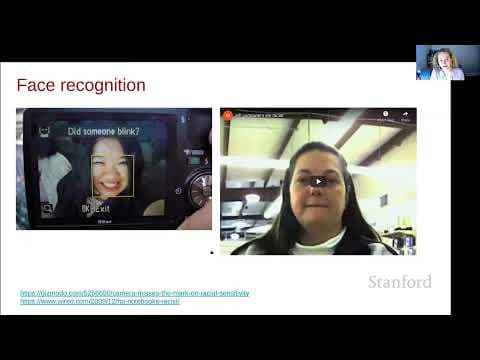
The course covers a range of applications, including sign language translation, object detection, face recognition, and art generation. Students will work on hands-on projects to gain practical experience.
Q: What is the grading structure for CS230 Deep Learning?
The grading formula includes attendance, quizzes, programming assignments, a midterm exam, and final projects. The exact weights for each component are specified in the course syllabus.
Summary & Key Takeaways
-
CS230 Deep Learning aims to help students understand the state of the art in deep learning and become experts in building and applying deep learning systems.
-
The course utilizes the flipped classroom format, where students watch online videos before attending in-class lectures and discussions.
-
The content covers topics such as neural networks, optimization algorithms, strategic data acquisition, convolutional neural networks, and sequence models.
Read in Other Languages (beta)
Share This Summary 📚
Summarize YouTube Videos and Get Video Transcripts with 1-Click
Try YouTube Summary with ChatGPT & Claude or YouTube Transcript Generator
Explore More Summaries from Stanford Online 📚
Summarize YouTube Videos and Get Video Transcripts with 1-Click
Try YouTube Summary with ChatGPT & Claude or YouTube Transcript Generator