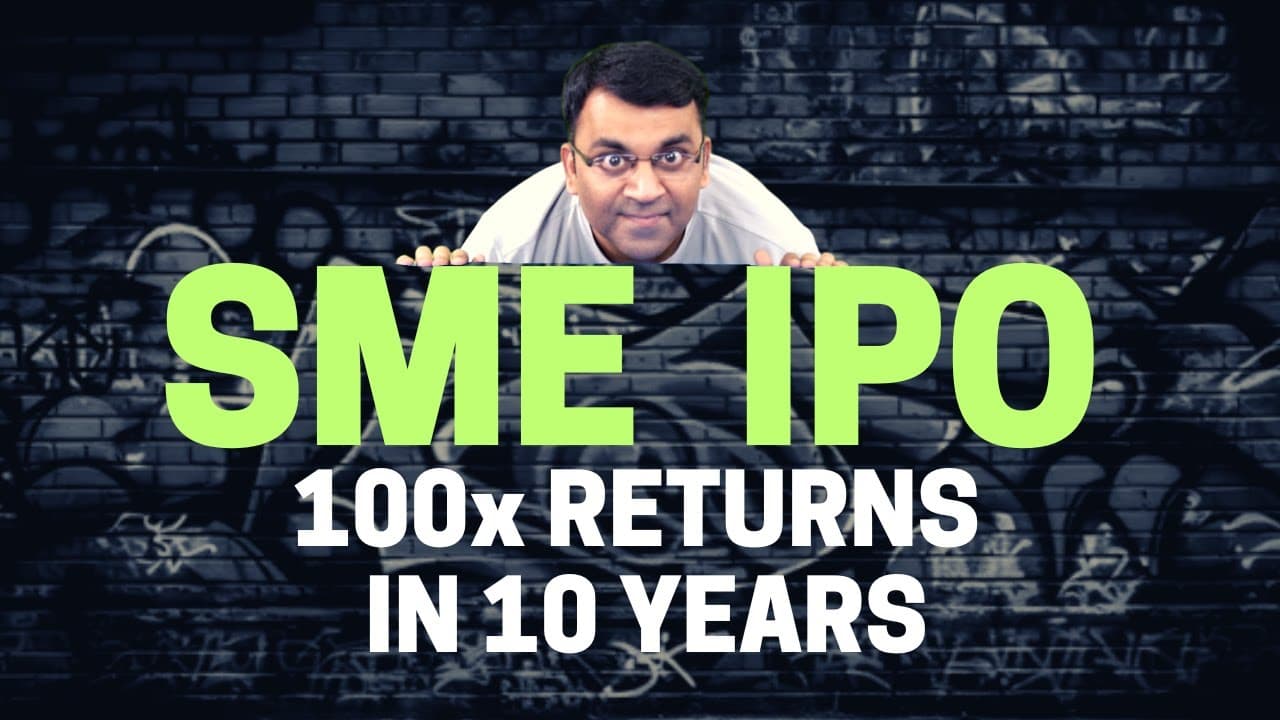
113x Returns in just 10 Years | How the little-known SME IPO became India's biggest Wealth Creator
TL;DR
Investing in SME stocks on dedicated stock exchanges offers the potential for high returns but carries higher risks and liquidity concerns.
Transcript
the Nifty the sensex the BAC 500 they all constitute a fairly Diversified set of companies and a 12 to 15 return is pretty much par for the course but then there's an equally diverse set of stocks that have been doing a bit better actually they've been doing a lot better and over the last one year the SME IPO index has delivered a return of 126 per... Read More
Key Insights
- ✋ SME stocks have delivered impressive returns, but they come with higher risks and liquidity concerns.
- 🖐️ The SME sector plays a crucial role in India's economy, accounting for a significant portion of exports and GDP.
- 👃 Limited access to capital and stock market listings have been challenges for SMEs, hindering their growth.
- ☺️ The SME exchange provides a platform for SMEs to access capital and offers more relaxed listing criteria.
- 🧑🏭 Investors should carefully research and analyze SME stocks, considering factors such as industry position, growth potential, financial metrics, and the credibility of the promoter.
- ↩️ Properly selected SME stocks can provide significant returns on investment, but it requires thorough evaluation and due diligence.
- 🏂 The migration of SME stocks to the main board offers potential liquidity and exit options for investors.
Install to Summarize YouTube Videos and Get Transcripts
Explore YouTube Video Summarizer or Get YouTube Transcript Extractor
Questions & Answers
Q: What is the SME Exchange, and how is it different from a regular exchange?
The SME exchange is a dedicated stock exchange for trading shares of small and medium-scale enterprises. It offers a less stringent listing criteria and provides a platform for SMEs to access capital.
Q: What are the risks associated with SME investing?
SME stocks are more volatile and riskier compared to larger stocks. Many SME IPOs have traded below their issue price, highlighting the fragility of these companies. Selecting the right companies is crucial for success in SME investing.
Q: What are the potential returns of SME investing?
The S&P BSE SME IPO index has shown high returns over the years, with a three-year CAGR of 193% and a 10-year annualized return of 60%. Properly selected SME stocks can provide significant returns on investment.
Q: How can investors select the right SME stocks?
Investors should consider factors such as the company's position in the industry, growth potential, financial metrics (sales growth, cash flow, debt), and the credibility and plans of the promoter. Thorough research and analysis are necessary.
Key Insights:
- SME stocks have delivered impressive returns, but they come with higher risks and liquidity concerns.
- The SME sector plays a crucial role in India's economy, accounting for a significant portion of exports and GDP.
- Limited access to capital and stock market listings have been challenges for SMEs, hindering their growth.
- The SME exchange provides a platform for SMEs to access capital and offers more relaxed listing criteria.
- Investors should carefully research and analyze SME stocks, considering factors such as industry position, growth potential, financial metrics, and the credibility of the promoter.
- Properly selected SME stocks can provide significant returns on investment, but it requires thorough evaluation and due diligence.
- The migration of SME stocks to the main board offers potential liquidity and exit options for investors.
- Domestic institutional investors, foreign investors, and mutual funds have shown interest in investing in SME stocks, improving liquidity in the SME exchange.
Summary & Key Takeaways
-
SME stocks have outperformed larger indices, with the SME IPO index delivering a return of 126% in the last year and converting one rupee into 20 rupees in the last five years.
-
The SME sector in India plays a crucial role in the economy, accounting for a significant percentage of exports and GDP.
-
Limited access to capital, lack of stock market access, and challenges in fundraising have traditionally hindered the growth of SMEs.
Read in Other Languages (beta)
Share This Summary 📚
Summarize YouTube Videos and Get Video Transcripts with 1-Click
Try YouTube Summary with ChatGPT & Claude or YouTube Transcript Generator
Explore More Summaries from Shankar Nath 📚





Summarize YouTube Videos and Get Video Transcripts with 1-Click
Try YouTube Summary with ChatGPT & Claude or YouTube Transcript Generator