How to Spot a Liar: Key Signs of Deception

TL;DR
To spot a liar, look for inconsistencies in speech and body language, such as a non-contracted denial, excessive detail, or distancing language. Trained liespotters can detect deception with 90% accuracy by observing behaviors like facial expressions and eye contact; in contrast, the average person is only 54% accurate. Understanding these cues can help you discern truth from falsehood in conversations.
Transcript
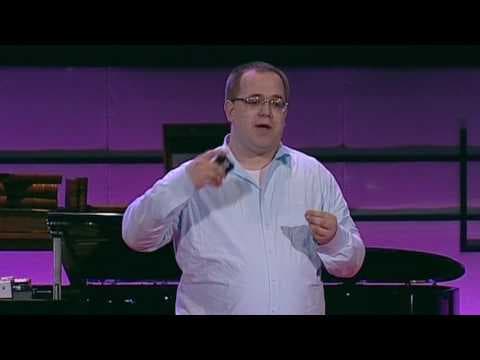
Okay, now I don't want to alarm anybody in this room, but it's just come to my attention that the person to your right is a liar. (Laughter) Also, the person to your left is a liar. Also the person sitting in your very seats is a liar. We're all liars. What I'm going to do today is I'm going to show you what the research says about why we're all li... Read More
Key Insights
- 😆 Lying is a cooperative act - it only has power when someone agrees to believe the lie, which means we have control over whether or not we get lied to.
- 💰 Deception can have significant costs, with corporate fraud alone costing almost a trillion dollars in the US in one year.
- 🤥 We all lie, whether it's harmless white lies or more significant deceptions, and we do it multiple times a day.
- 🔍 Trained liespotters can detect lies with 90% accuracy, while the general population is only 54% accurate.
- 😷 Non-verbal cues like body language and facial expressions can reveal deception, such as freezing the upper body when lying or displaying the expression of contempt.
- 💡 Understanding the truth requires more than just recognizing lies; it involves looking for honesty, sincerity, and cooperative attitudes in conversations.
- 🌍 In a post-truth society filled with deception, it's crucial to navigate through the vast amount of fake information and maintain your own integrity.
- ⚖️ The truth matters, and we should strive for a world where honesty is valued and falsehood is marginalized, signaling to others that we prioritize truth in our lives.
Install to Summarize YouTube Videos and Get Transcripts
Explore YouTube Video Summarizer or Get YouTube Transcript Extractor
Questions & Answers
Q: Why do humans lie?
Humans lie for various reasons, including social dignity, maintaining secrets, and bridging the gap between who we wish we were and who we really are. Lying allows us to fill in the gaps in our lives with falsehoods.
Q: How can lies be detected through body language?
Deceptive individuals may freeze their upper bodies when lying, look you in the eyes excessively, and exhibit contempt through certain facial expressions. These behaviors, when observed in clusters, can be red flags for deception.
Q: How can deception be harmful in society?
Deception can have significant consequences, such as corporate fraud, compromising security, and undermining democracy. It can cause financial loss, damage reputations, and even lead to loss of life.
Q: How can liespotting be useful in everyday life?
Liespotters armed with scientific knowledge can navigate through deception in various situations, including having difficult conversations with difficult people. By seeking the truth and building trust, liespotters can make more informed decisions and create an environment of honesty and integrity.
Summary & Key Takeaways
-
Lying is a cooperative act; a lie has no power unless someone else believes it.
-
Not all lies are harmful, but deception can have significant consequences, such as corporate fraud and compromises in security.
-
Humans are hardwired to lie from a young age, and deception is deeply ingrained in our culture and history.
Read in Other Languages (beta)
Share This Summary 📚
Summarize YouTube Videos and Get Video Transcripts with 1-Click
Try YouTube Summary with ChatGPT & Claude or YouTube Transcript Generator
Explore More Summaries from TED 📚





Summarize YouTube Videos and Get Video Transcripts with 1-Click
Try YouTube Summary with ChatGPT & Claude or YouTube Transcript Generator