How to Become a Game Designer: Key Steps and Skills
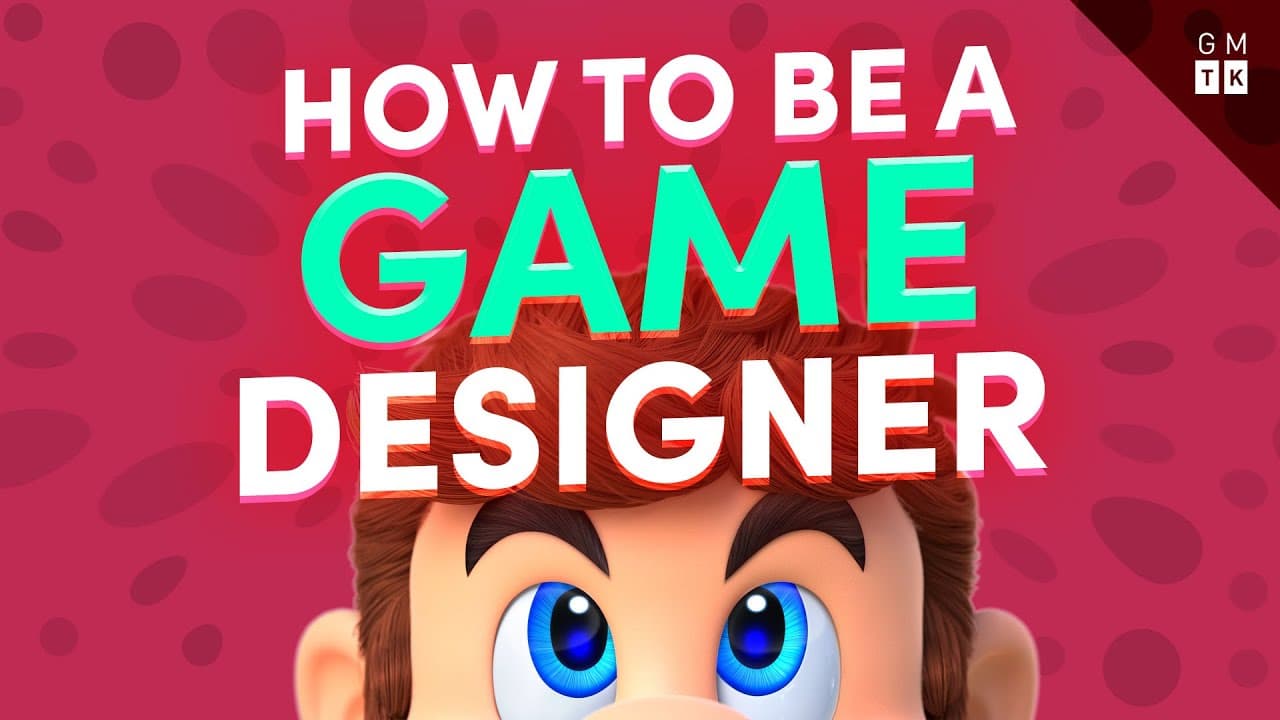
TL;DR
To become a game designer, you need a strong portfolio showcasing your design skills, relevant experience through internships or QA testing, and good interpersonal skills. Studying game design can also be beneficial, but practical experience and network connections in the industry play crucial roles in landing a job.
Transcript
If there's one question I get asked more than anything else, it's this: "how do I become a game designer?". I get emails from kids and teenagers and people bored of their jobs who would love to turn their passion for games into a career and be the ones who actually design the mechanics, systems, and levels that I talk about on this show. Unfortunat... Read More
Key Insights
- 👾 The roles and responsibilities of game designers and level designers can vary depending on the size of the studio and the type of game being developed.
- 👾 Building a strong portfolio showcasing design skills is essential for aspiring game designers.
- 👾 Gaining experience through internships, QA testing, or entry-level positions can increase your chances of landing a job as a game designer.
- 👾 Studying game design at university can provide you with theoretical knowledge, practical skills, and valuable connections in the industry.
- 👾 Other skills and educational backgrounds, such as programming abilities or knowledge in related disciplines, can give you an advantage as a game designer.
- 🤗 Networking and building connections in the industry can open doors to job opportunities.
- 🎨 Design interviews typically assess design thinking and interpersonal skills.
Install to Summarize YouTube Videos and Get Transcripts
Explore YouTube Video Summarizer or Get YouTube Transcript Extractor
Questions & Answers
Q: What does a game designer do?
Game designers come up with ideas for mechanics and systems, create detailed design documents and asset lists, and work closely with artists and programmers to turn their ideas into reality.
Q: How can I become a game designer?
To become a game designer, focus on developing design thinking skills, strong interpersonal skills, and create a portfolio showcasing your ability to design mechanics and systems. Gaining experience in the industry through internships or QA testing can also be beneficial.
Q: Is a game design degree necessary to become a game designer?
While a game design degree can be helpful, it is not always necessary. Having programming skills and knowledge of related disciplines such as economics, art, and psychology can also make you a strong candidate.
Q: What should I expect in a design interview?
Design interviews typically assess design thinking and interpersonal skills. Expect questions about your ability to think critically about games, analyze game mechanics, and communicate effectively. You may also be asked to complete a design test.
Key Insights:
- The roles and responsibilities of game designers and level designers can vary depending on the size of the studio and the type of game being developed.
- Building a strong portfolio showcasing design skills is essential for aspiring game designers.
- Gaining experience through internships, QA testing, or entry-level positions can increase your chances of landing a job as a game designer.
- Studying game design at university can provide you with theoretical knowledge, practical skills, and valuable connections in the industry.
- Other skills and educational backgrounds, such as programming abilities or knowledge in related disciplines, can give you an advantage as a game designer.
- Networking and building connections in the industry can open doors to job opportunities.
- Design interviews typically assess design thinking and interpersonal skills.
- While the games industry has its challenges, it can still be a rewarding career for those passionate about game design.
Summary & Key Takeaways
-
Game designers are responsible for creating ideas for mechanics and systems, while level designers focus on creating environments for players to explore.
-
To become a game designer, it is important to have a strong portfolio showcasing your ability to design interesting mechanics or systems.
-
Gaining experience through internships, QA testing, or entry-level positions can increase your chances of landing a job as a game designer.
Read in Other Languages (beta)
Share This Summary 📚
Summarize YouTube Videos and Get Video Transcripts with 1-Click
Try YouTube Summary with ChatGPT & Claude or YouTube Transcript Generator
Explore More Summaries from Game Maker's Toolkit 📚


Summarize YouTube Videos and Get Video Transcripts with 1-Click
Try YouTube Summary with ChatGPT & Claude or YouTube Transcript Generator