How Video Game Economies are Designed
TL;DR
A video game economy determines the flow of resources within a game and can shape player behavior, progression, and choices.
Transcript
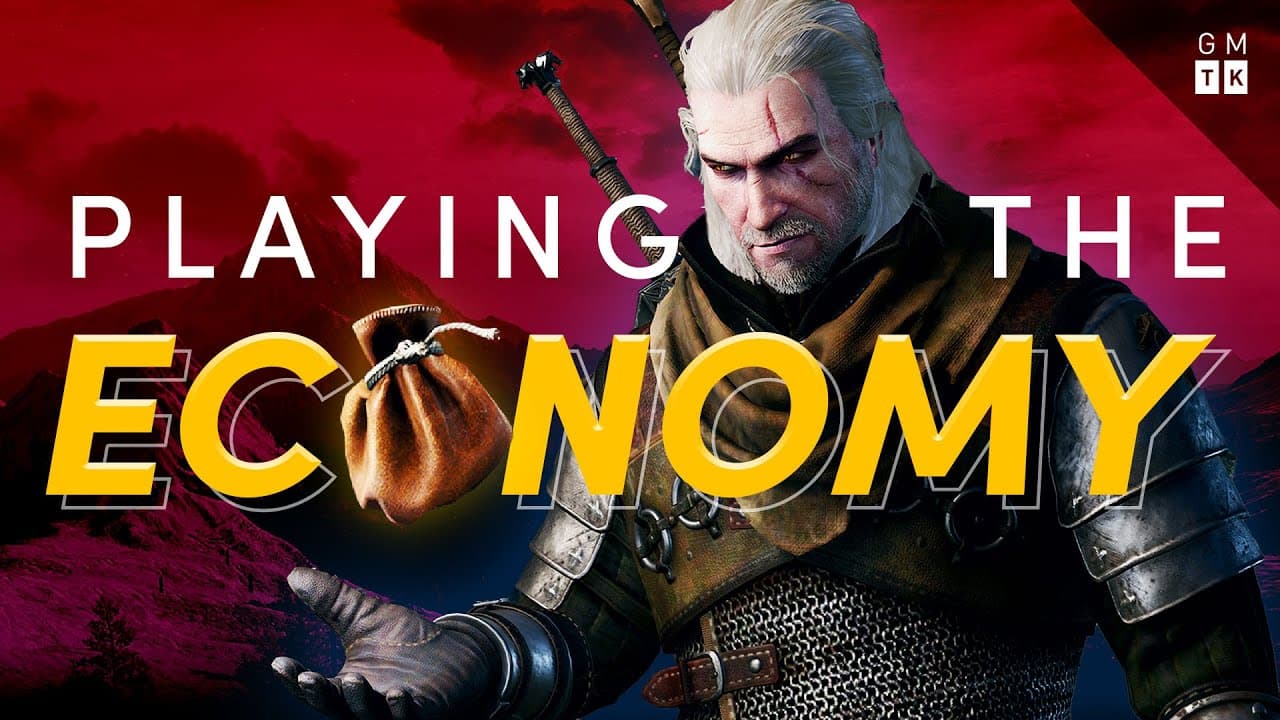
When The Witcher 3 first came out, in 2015, it didn’t take long for CD Projekt Red to realise that there was a big problem with the game’s economy. You see, a few enterprising players figured out that they could go to White Orchard, kill all the cows on the farm, and sell their leather for cash. And then, if Geralt meditated to pass some time…... Read More
Key Insights
- 🎮 Video game economies consist of taps, inventories, converters, drains, and traders.
- 👻 Taps incentivize player behavior, inventories impose limits and decision-making, converters allow resource exchange, drains slow down power growth and add risk, and traders introduce supply and demand complexities.
- 👾 Balancing these entities can shape the pace, challenge, and feel of the game.
- 🥺 Excessive power creep can lead to addictive grinding, which can be addressed through puzzles or negative feedback loops.
- 🥳 Optimal resource management, risk-reward ratios, and limited currencies can enhance gameplay decision-making.
- 🦾 Traders can introduce complexity through their own inventory and buying/selling mechanics.
Install to Summarize YouTube Videos and Get Transcripts
Explore YouTube Video Summarizer or Get YouTube Transcript Extractor
Questions & Answers
Q: What is the purpose of taps in a video game economy?
Taps generate resources into the economy, incentivizing player behavior and affecting resource scarcity. They can be used to promote certain actions like fighting monsters or exploring the world.
Q: How can inventories impact gameplay decisions?
Inventories can have limits, forcing players to make choices about which items are most essential in the moment. This prevents players from amassing excessive wealth and encourages resource management.
Q: What role do converters play in a video game economy?
Converters allow players to exchange one resource for another, such as spending money on gear or crafting new weapons. The cost of conversion can impact the pace of the game and influence player progression.
Q: How can drains affect gameplay in a video game economy?
Drains permanently remove resources from the economy, forcing players to spend time and resources to replenish losses. They can add risk, encourage strategy changes, and slow down power growth.
Key Insights:
- Video game economies consist of taps, inventories, converters, drains, and traders.
- Taps incentivize player behavior, inventories impose limits and decision-making, converters allow resource exchange, drains slow down power growth and add risk, and traders introduce supply and demand complexities.
- Balancing these entities can shape the pace, challenge, and feel of the game.
- Excessive power creep can lead to addictive grinding, which can be addressed through puzzles or negative feedback loops.
- Optimal resource management, risk-reward ratios, and limited currencies can enhance gameplay decision-making.
- Traders can introduce complexity through their own inventory and buying/selling mechanics.
- Designing a video game economy requires careful consideration of player behavior, progression, and balance.
Summary & Key Takeaways
-
Video game economies involve five basic entities: taps (generating resources), inventory (storing resources), converters (exchanging resources), drains (removing resources), and traders (buying/selling resources).
-
Taps can incentivize player behavior and affect resource scarcity, while inventories can impose limits to create challenging decisions.
-
Converters allow players to exchange resources to become more powerful, drains can slow down power growth and add risk, and traders add complexity through supply and demand.
Read in Other Languages (beta)
Share This Summary 📚
Summarize YouTube Videos and Get Video Transcripts with 1-Click
Try YouTube Summary with ChatGPT & Claude or YouTube Transcript Generator
Explore More Summaries from Game Maker's Toolkit 📚
Summarize YouTube Videos and Get Video Transcripts with 1-Click
Try YouTube Summary with ChatGPT & Claude or YouTube Transcript Generator