Reduce Anxiety Now: How to Calm Down Quickly | Mel Robbins
TL;DR
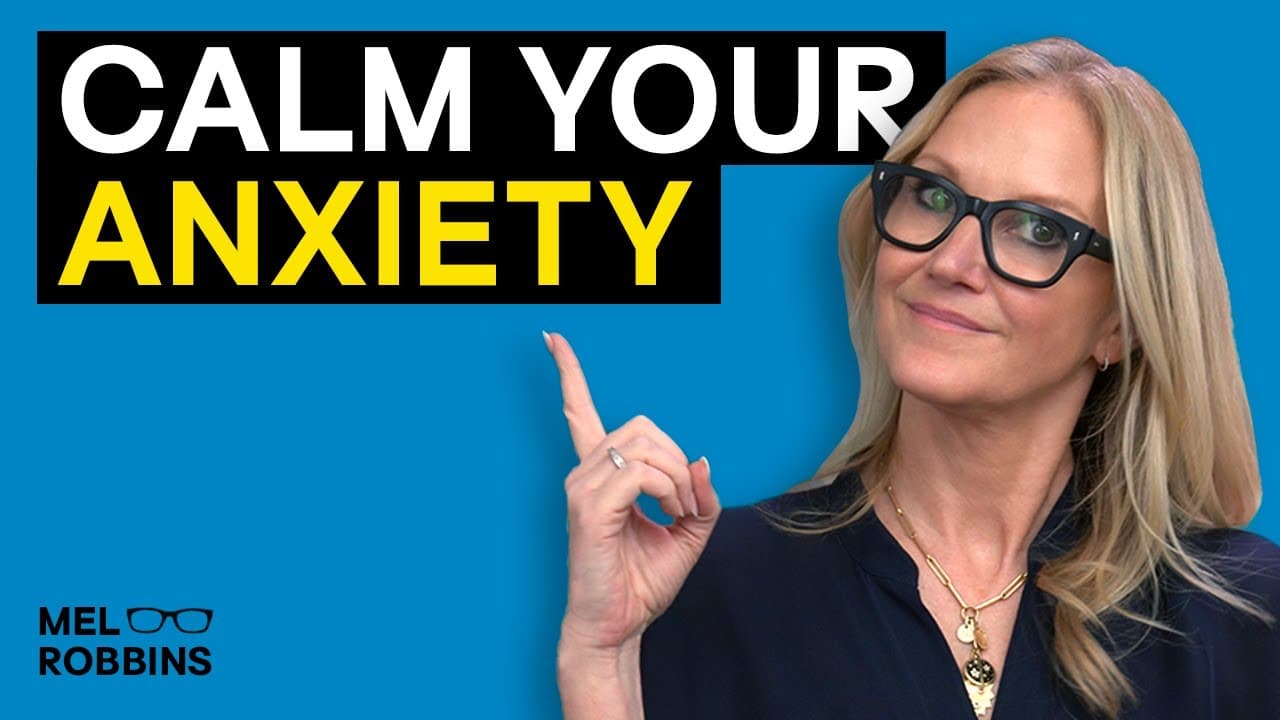
Learn how to identify triggers, understand the connection between worrying and anxiety, and develop anchor thoughts to calm your mind and body in moments of anxiety.
Transcript
we are in the middle of anxiety week and I'm super excited about this because I am somebody who has struggled with anxiety for a large part of my life for more than two decades anxiety was a chronic and debilitating issue for me uh I have two kids that struggle with anxiety I know that it is a um struggle for many of you there's a documented rise i... Read More
Key Insights
- 😰 Anxiety can be managed by understanding and addressing triggers, which can evoke anxious feelings and memories.
- 🤔 Worrying is a habitual thinking pattern that can escalate into anxiety when focused on uncertain or uncontrollable future events.
- 🤯 By practicing anchor thoughts, individuals can calm their mind, settle their body, and regain control during anxious moments.
- 👪 Parents can support their children by validating their worries, helping them identify triggers, and teaching them to develop plans to respond to those triggers.
- 🤑 Money anxiety is a common concern during uncertain times, but accepting the new normal, facing fears, and taking proactive steps can help alleviate anxiety and regain control.
- 😨 Facing financial fears involves getting the facts, assessing monthly expenses, communicating with landlords and creditors, and making necessary adjustments.
Install to Summarize YouTube Videos and Get Transcripts
Explore YouTube Video Summarizer or Get YouTube Transcript Extractor
Questions & Answers
Q: How can triggers impact anxiety?
Triggers are events or situations that can evoke anxious feelings or memories. They may cause tension in the body and activate past traumas or childhood experiences that made an individual feel anxious or unsafe.
Q: How can anchor thoughts be used to manage anxiety?
Anchor thoughts are positive and calming statements that can be used to redirect negative thoughts and reduce anxiety. By pre-planning and practicing these thoughts, individuals can regain control and respond to triggers in a healthier way.
Q: What is the connection between worrying and anxiety?
Worrying is when the mind drifts to future uncertainties or events that are outside of one's control. Anxiety occurs when worrying becomes a chronic habit, causing physical symptoms such as stomachaches, tightness in the throat, and increased heart rate.
Q: How can parents help children with anxiety?
Parents can guide their children in identifying triggers and developing a plan of action to respond to those triggers. By teaching self-reliance and resilience, parents can help children tolerate uncertainty and build confidence in facing anxious situations.
Summary & Key Takeaways
-
Anxiety Week aims to provide tools for understanding and managing anxiety.
-
Triggers play a significant role in anxiety, and learning to identify and address them is crucial.
-
Anchor thoughts can help quiet the mind, settle the body, and regain control during anxious moments.
Read in Other Languages (beta)
Share This Summary 📚
Summarize YouTube Videos and Get Video Transcripts with 1-Click
Try YouTube Summary with ChatGPT & Claude or YouTube Transcript Generator
Explore More Summaries from Mel Robbins 📚




Summarize YouTube Videos and Get Video Transcripts with 1-Click
Try YouTube Summary with ChatGPT & Claude or YouTube Transcript Generator