Is China Being Fair on Trade?
TL;DR
U.S.-China trade relations are strained due to unfair practices.
Transcript
The relationship between the United States and China is tense. Really tense. Especially when it comes to trade. It wasn’t always this way. Decades ago, the United States supported China’s economic opening, lifting millions of its people out of poverty. This created a huge labor force that helped make China one of the world’s leading manufacturers o... Read More
Key Insights
- The U.S. and China have a tense trade relationship, with significant concerns over China's adherence to international trade rules.
- China's economic rise was initially supported by the U.S., benefiting both nations with cheap goods and a large marketplace.
- China's trade practices are criticized for making it difficult for foreign companies to operate due to subsidies and market barriers.
- Forced technology transfers and intellectual property theft are major issues for foreign firms entering the Chinese market.
- The Chinese government has been accused of cyber espionage, hacking U.S. companies to steal trade secrets.
- Currency manipulation by China has historically given its exports a competitive advantage in global markets.
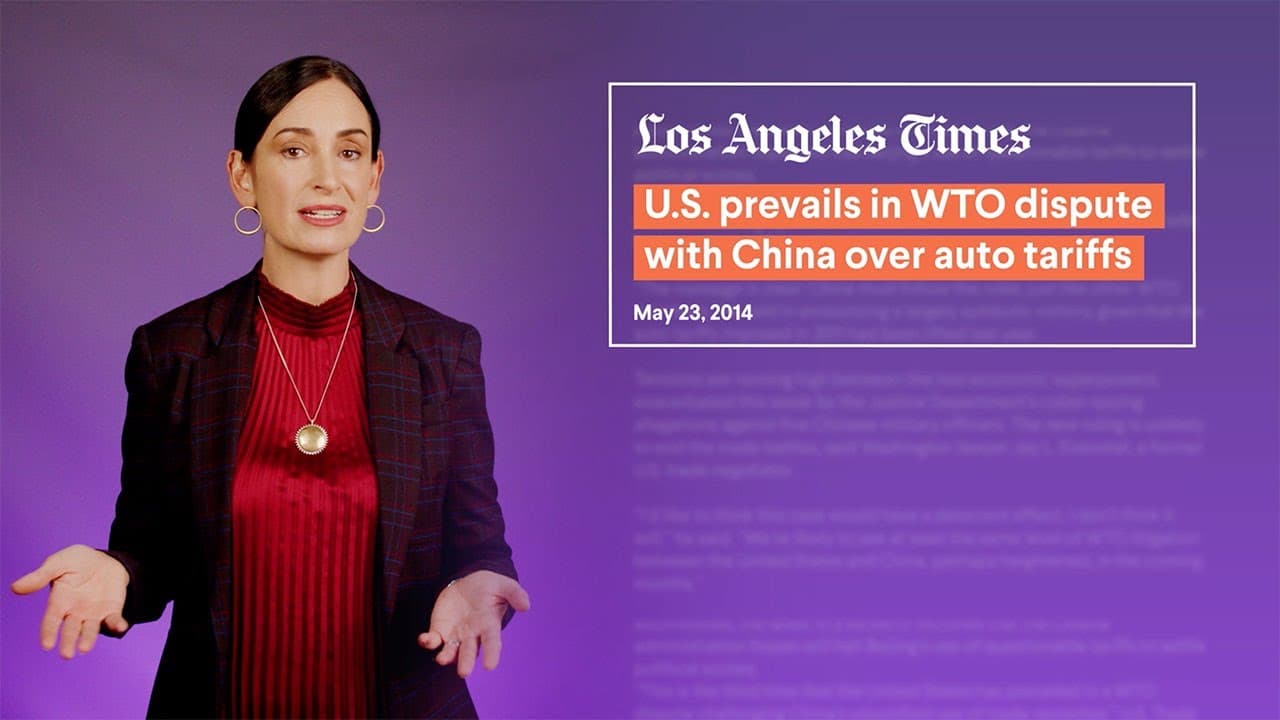
- Both U.S. political parties have taken action against China's trade practices, including tariffs and WTO complaints.
- Despite some changes by China, major economic and security conflicts remain unresolved, with broader implications for democracy and human rights.
Install to Summarize YouTube Videos and Get Transcripts
Explore YouTube Video Summarizer or Get YouTube Transcript Extractor
Questions & Answers
Q: What historical support did the U.S. provide to China's economy?
The United States initially supported China's economic opening, which lifted millions out of poverty and created a massive labor force. This support helped China become a leading global manufacturer, providing cheap goods for American consumers and a large market for American products like soybeans and cars.
Q: What are the main criticisms of China's trade practices?
Critics argue that China makes it difficult for foreign companies to do business by favoring local firms with subsidies, enforcing unfair legal practices, and requiring joint ventures that force technology sharing. Additionally, intellectual property theft and cyber espionage are significant concerns, as is currency manipulation to boost exports.
Q: How has the U.S. responded to China's trade practices?
The U.S. has taken various actions, including imposing tariffs on Chinese goods, blocking deals that threaten national security, and filing complaints with the World Trade Organization. Both the Obama and Trump administrations have sought to curb cyberattacks and intellectual property theft through negotiations and executive actions.
Q: What are the implications of China's economic practices on global trade?
China's practices, such as subsidies and market barriers, disrupt fair competition, driving foreign competitors out of business and potentially threatening the global economic system. These issues raise concerns about adherence to international trade rules and the impact on global market dynamics.
Q: What role does intellectual property theft play in U.S.-China trade tensions?
Intellectual property theft is a major point of contention, with Chinese companies accused of hacking U.S. firms to steal trade secrets. This practice allows Chinese firms to counterfeit American products and gain technological advantages without investing in research and development, exacerbating trade tensions.
Q: How has currency manipulation affected China's trade relations?
China has been accused of keeping its currency weak to make its exports cheaper and more competitive globally. This manipulation gives Chinese goods an unfair advantage, contributing to trade imbalances and tensions with trading partners like the United States.
Q: What are the broader concerns related to China's rise beyond trade?
Beyond trade, concerns include China's human rights record, internet censorship, and political repression, such as the detention of Uighur Muslims and curbing freedoms in Hong Kong. These issues highlight the broader impact of China's rise on global democracy and human rights.
Q: Has China's economic success led to political change as expected?
Contrary to some expectations, China's economic success has not led to increased democratization. Instead, the Chinese government continues to maintain strict control over political freedoms and human rights, challenging the notion that economic growth naturally leads to political liberalization.
Summary & Key Takeaways
-
The video examines the complex trade relationship between the U.S. and China, highlighting the challenges and criticisms of China's trade practices. It discusses the historical context of China's economic rise and the benefits and issues it has created for the U.S. economy.
-
Key concerns include China's market barriers, government subsidies, and unfair legal practices that disadvantage foreign companies. The video also addresses forced technology transfers and intellectual property theft, which have strained relations further.
-
The U.S. has responded with various measures, including tariffs and WTO complaints, but significant conflicts remain. The video also touches on broader issues like human rights and democracy, questioning the impact of China's economic success on its political system.
Read in Other Languages (beta)
Share This Summary 📚
Summarize YouTube Videos and Get Video Transcripts with 1-Click
Try YouTube Summary with ChatGPT & Claude or YouTube Transcript Generator
Explore More Summaries from Council on Foreign Relations 📚


Summarize YouTube Videos and Get Video Transcripts with 1-Click
Try YouTube Summary with ChatGPT & Claude or YouTube Transcript Generator