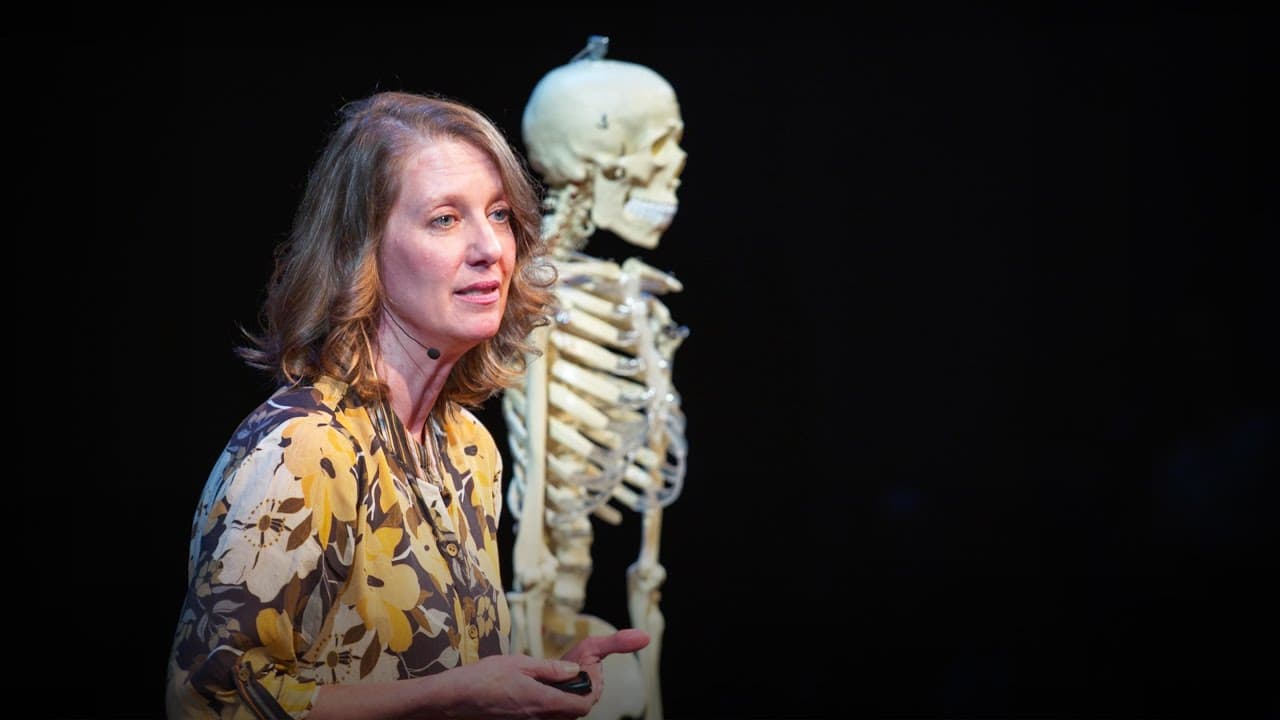
The hidden history found in your teeth | Carolyn Freiwald
TL;DR
Exploring the history of migration through the lens of archaeology and human teeth.
Transcript
I want you to think about the image that you see when I say one word: migrant. You may have pictured a crowded boat in rough waters, people clinging to the top of a freight train or crossing a desert wearing worn-out shoes. This is what we see in the news cycle, 24 hours, day after day, story after story. People who are desperate, fleeing wars, fle... Read More
Key Insights
- 🌍 Migration is a common human experience throughout history, with reasons ranging from desperation to seeking opportunities, education, employment, family, or love. It is not solely driven by dire circumstances.
- 🧬 Archaeologists can study migration patterns by analyzing bones and teeth, extracting DNA, and examining tooth enamel composition, which can provide clues about a person's diet and origins.
- ✈️ Migration is a recurring theme in ancient civilizations such as the Maya, where both rulers and commoners moved, sometimes across long distances.
- 👑 Mayan ruler Yax K'uk' Mo' dressed like a foreigner but was found to be a local of the Maya region through tooth analysis, showing migration within the region.
- 🛳️ La Isabela, established by Christopher Columbus, saw high mortality rates and had a diverse population of migrants, including indigenous Taíno, Europeans, and possibly Africans, not reflected in official records.
- ⚰️ Studying an abandoned cemetery in Mississippi reveals the lives and stories of settlers, including wealthy planters, poor farmers, and migrants, such as an elderly African man of unknown origin, possibly born into slavery.
- 📜 Migration is continuing today, with personal migration stories shaping our identities and experiences, as families seek new opportunities and a better life for themselves and future generations.
- 😃 Migration is not only a part of human history, but it is also part of the speaker's personal story, as a third-generation migrant herself, underscoring the commonality and shared experiences of migrants across time.
Install to Summarize YouTube Videos and Get Transcripts
Explore YouTube Video Summarizer or Get YouTube Transcript Extractor
Questions & Answers
Q: What are some common misconceptions about migrants?
Some common misconceptions about migrants are that they are all desperate individuals fleeing wars, climate change, and poverty. However, in reality, most people move for more common reasons such as seeking education, job opportunities, reuniting with family, or even for love.
Q: How long have people been migrating?
People have been migrating for hundreds and even thousands of years. Archaeologists have studied migration and found evidence of movement throughout history, from Europe's earliest farmers to Vikings, pirates, Roman gladiators, Neanderthal cavemen, and even everyday individuals like you and me.
Q: How can ancient migration be identified?
Archaeologists can identify ancient migration by analyzing teeth and bones. By examining the tooth enamel and the minerals and elements present in it, researchers can determine what a person ate and where that food came from. This information can help track where individuals lived and moved throughout their lives.
Q: Can teeth tell us about an individual's migration history?
Yes, teeth can provide valuable information about an individual's migration history. Incisors can indicate if a person has European, African, Native American, or Asian ancestry. Tooth enamel can reveal where a person was living as an infant or during their teenage years. By studying teeth and bones, archaeologists can identify migration patterns in ancient populations.
Summary & Key Takeaways
-
The media often portrays migrants as desperate people fleeing war, climate change, and poverty, but in reality, most people migrate for common reasons such as education, employment, family reunification, and love.
-
Archaeologists use tooth enamel and bone analysis to understand ancient migration patterns. The tooth enamel reflects an individual's diet and location at different stages of life, while bones can reveal information about an individual's lifestyle and dietary habits.
-
Examples of ancient migrants include Maya rulers who dressed like foreigners but had teeth and DNA evidence suggesting they originated from the Maya region, and commoners who made up a significant portion of ancient city populations and moved from various places to live together. Additionally, analysis of burial sites in Mississippi revealed the lives of settlers, including migrants, plantation owners, and enslaved individuals.
Read in Other Languages (beta)
Share This Summary 📚
Summarize YouTube Videos and Get Video Transcripts with 1-Click
Try YouTube Summary with ChatGPT & Claude or YouTube Transcript Generator
Explore More Summaries from TED 📚





Summarize YouTube Videos and Get Video Transcripts with 1-Click
Try YouTube Summary with ChatGPT & Claude or YouTube Transcript Generator