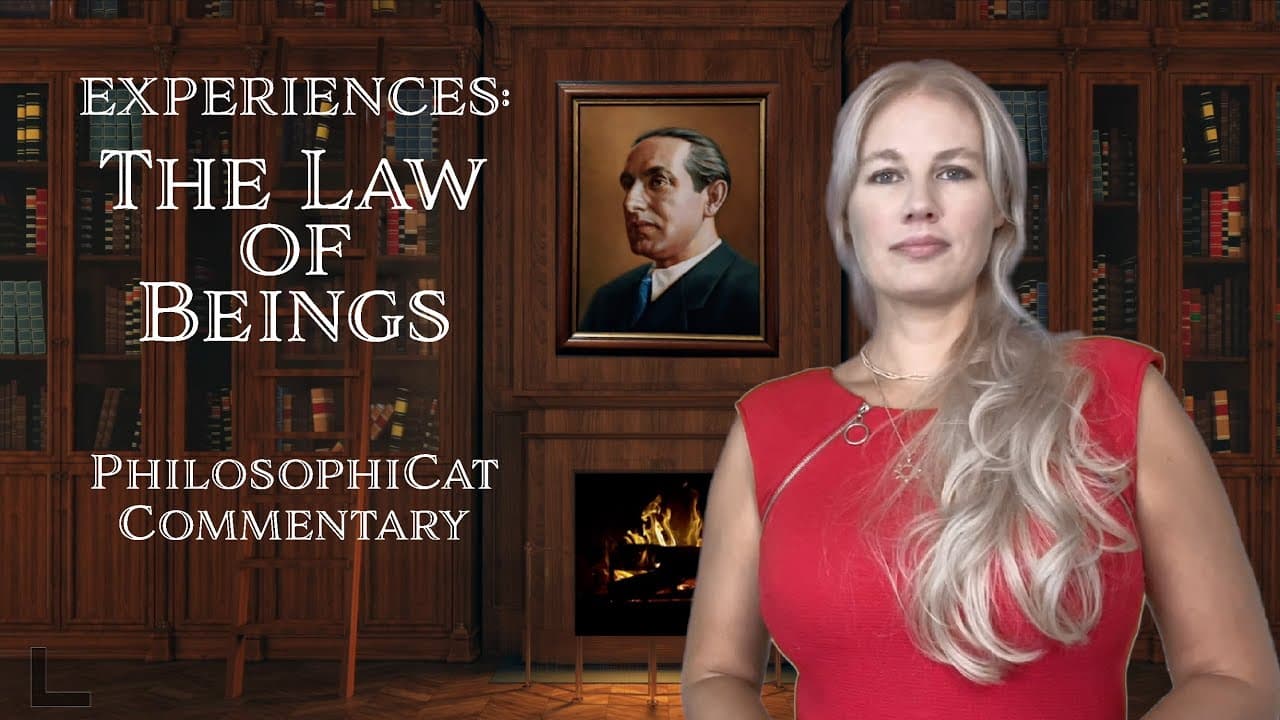
Commentary on "Experiences: The Law of Beings" by Julius Evola
TL;DR
The essay discusses the law of reaction in magical practice, emphasizing ethical implications and personal risks involved.
Transcript
welcome everyone to our companion discussion on the essay experiences the law of beings from Julius Avila's introduction to Magic vol 1 which begins on page 167 for those who would like to follow along since this is our first foray into the introduction to Magic books I want to just first explain what these books are a series of essays published by... Read More
Key Insights
- 💪 The essay asserts a strong parallel between the law of reaction and karma, emphasizing that magical actions carry intrinsic consequences.
- 💀 Evola's reflections on the dangers of passive states reveal the vulnerability of practitioners to misleading revelations, often influenced by their desires.
- 🥰 Ethical considerations in magical actions necessitate a consciousness of potential harm to others, especially loved ones, prompting a reconsideration of motivations and methodologies.
- ❓ The importance of detachment manifests as a means to mitigate adverse effects on others, encouraging a balanced approach to spirituality.
- 🤨 Evola’s exploration raises critical questions about the necessity of sacrifice in pursuits of personal liberation, hinting at a transaction of karmic effects.
- 📶 The concept of spiritual virility or strength is highlighted as essential in navigating the complexities of magical practice, distinguishing capable practitioners from those at risk of harmful repercussions.
- ⁉️ By inviting readers to question the nature of truth and reality within magical frameworks, the essay encourages a reflective and analytical approach to spiritual pursuits.
Install to Summarize YouTube Videos and Get Transcripts
Explore YouTube Video Summarizer or Get YouTube Transcript Extractor
Questions & Answers
Q: What is the law of reaction as discussed in the essay?
The law of reaction, analogous to karma, suggests that any magical action initiates a response or effect, causing repercussions that may affect others, particularly those with emotional or blood ties to the practitioner. This creates an ethical challenge, as those seeking power may inadvertently harm loved ones, raising questions about the true costs of their endeavors.
Q: How does the essay define the state of clarity or evidence?
The state of clarity or evidence occurs during early detachment phases, where the mind becomes immobilized. In this state, individuals experience insights that feel overwhelmingly certain. However, this passivity can mislead seekers, as they may not discern whether these perceived truths stem from genuine revelation or simply desire and craving.
Q: What ethical questions does Evola raise concerning magical practice?
Evola poses the ethical question of whether one can pursue liberation without causing harm to others. He suggests that every action on the magical path creates a reaction that needs to be discharged, potentially impacting loved ones, leading to a moral dilemma as the practitioner weighs their personal gains against unavoidable collateral damage.
Q: How does the concept of detachment play into magical practices?
Detachment is crucial in magical practices, as it enables practitioners to avoid emotional or sentimental clinging to loved ones. By achieving perfect detachment, individuals can prevent harmful repercussions of their magical actions from affecting those close to them, thereby maintaining ethical integrity in their practices.
Q: What does Evola say about the relationship between spiritual virility and magical consequences?
Evola emphasizes that possessing adequate spiritual virility allows a practitioner to resist the pushback from magical forces. This strength enables them to deflect negative consequences away from themselves, potentially onto others, highlighting the significant ethical implications of their mastery and control over such powers.
Q: How does the essay relate to contemporary spiritual practices?
Many contemporary spiritual practices sometimes reflect the dangers highlighted by Evola, particularly regarding passive experiences during psychedelic use, where participants may mistake emotional revelations for actual truth. This lack of discernment can lead to dogmatic beliefs and spiritual misunderstandings, showcasing the need for critical awareness.
Summary & Key Takeaways
-
Julius Evola's essay explores the law of reaction, analogous to karma, emphasizing that every magical action creates consequences that may affect others, particularly those close to the practitioner.
-
The author warns of the dangers on the magical path, including a state of passive surrender that can lead to false insights or dogmatic beliefs, often without discernment.
-
An ethical dilemma arises as seekers of liberation might inadvertently harm others, as the consequences of their magical actions need to manifest somewhere else, provoking deep moral considerations.
Read in Other Languages (beta)
Share This Summary 📚
Summarize YouTube Videos and Get Video Transcripts with 1-Click
Try YouTube Summary with ChatGPT & Claude or YouTube Transcript Generator
Explore More Summaries from PhilosophiCat 📚

Summarize YouTube Videos and Get Video Transcripts with 1-Click
Try YouTube Summary with ChatGPT & Claude or YouTube Transcript Generator