Israeli-Palestinian Negotiations: Three Things to Know
TL;DR
Israeli-Palestinian peace talks resume, facing three major challenges.
Transcript
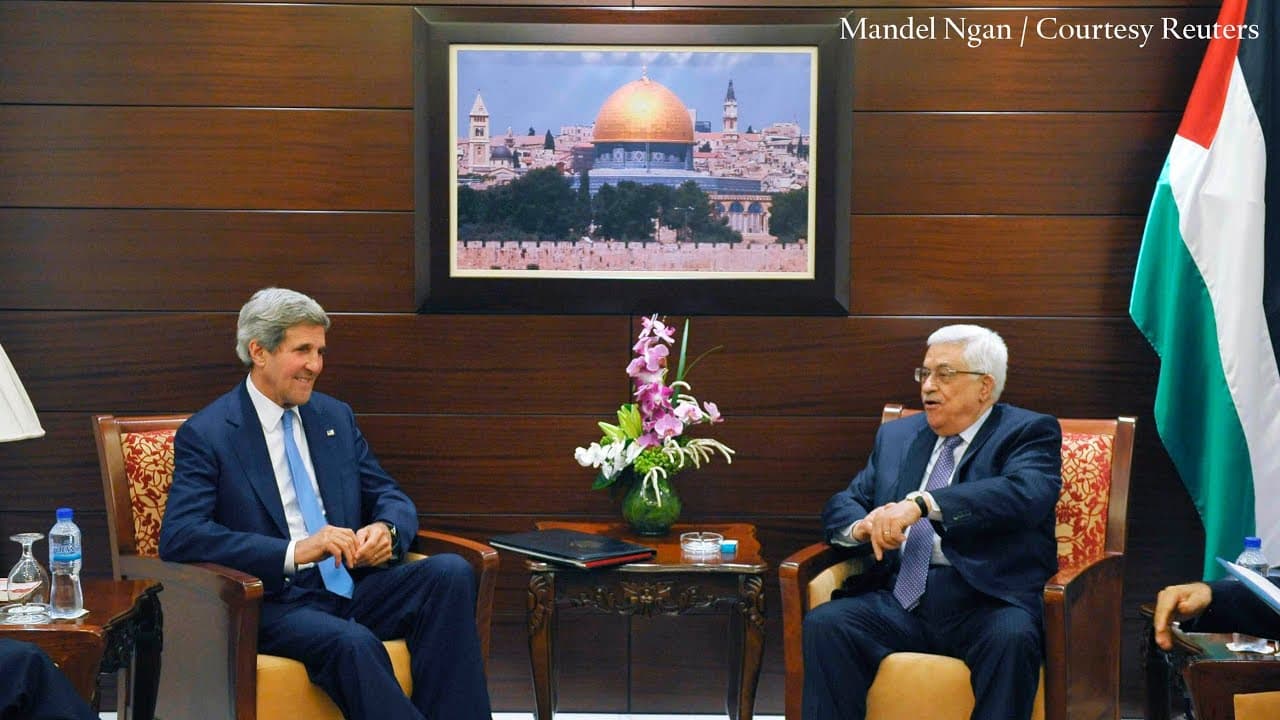
Israeli and Palestinian peace talks are poised to resume after a prolonged hiatus. Six Middle East trips, and tireless efforts by Secretary of State John Kerry made this resumption possible. There are three major challenges ahead as a new chapter begins in the 20 year-long saga of Israeli-Palestinian negotiations. The first fundamental challenge wi... Read More
Key Insights
- The Israeli-Palestinian peace talks are resuming after a long hiatus, largely due to John Kerry's diplomatic efforts.
- Ambiguity in diplomatic language has allowed talks to resume, but clarity is needed for a lasting agreement.
- Domestic opposition in both Israel and Palestine poses a significant challenge to the peace negotiations.
- Palestinian President Abbas faces pressure from opposition groups like Hamas and within his own party.
- Israeli Prime Minister Netanyahu may need to realign his political base to make progress in negotiations.
- The U.S., led by Secretary of State Kerry, plays a crucial role but faces other global challenges demanding attention.
- The U.S. must balance its involvement in Middle East peace talks with other priorities like Syria, Egypt, and Iran.
- Successful negotiations require overcoming both domestic and international challenges to achieve a durable peace agreement.
Install to Summarize YouTube Videos and Get Transcripts
Explore YouTube Video Summarizer or Get YouTube Transcript Extractor
Questions & Answers
Q: What role did John Kerry play in the resumption of peace talks?
John Kerry, as the U.S. Secretary of State, played a crucial role in restarting Israeli-Palestinian peace talks. His diplomatic efforts, including multiple trips to the Middle East, helped bridge gaps and create conditions conducive to resuming negotiations. Kerry's involvement highlights the importance of U.S. diplomatic engagement in facilitating dialogue between the two parties.
Q: Why is transparency important in the peace negotiations?
Transparency is vital in Israeli-Palestinian peace negotiations to ensure that agreements are clear and address core issues like border delineation. Ambiguous diplomatic language may have allowed talks to resume, but lasting peace requires clear, transparent agreements that both parties can commit to, preventing misunderstandings and fostering trust between the parties.
Q: What domestic challenges do Palestinian leaders face in the negotiations?
Palestinian leaders, particularly President Abbas, face significant domestic challenges in peace negotiations. There is strong opposition from groups like Hamas and dissent within Abbas's own Fatah party. Many Palestinians are skeptical about Israel's intentions, fearing prolonged talks without tangible results, which pressures Abbas to secure quick and meaningful concessions from Israel.
Q: How might Netanyahu's political situation affect the peace talks?
Prime Minister Netanyahu's political situation is challenging, with opposition within his coalition and party against Palestinian statehood. To advance peace talks, Netanyahu may need to realign his political base or even leave his party, as past Likud leaders have done. This internal political balancing act is crucial for making concessions necessary for successful negotiations.
Q: What are the U.S.'s other priorities besides the Israeli-Palestinian peace talks?
Besides the Israeli-Palestinian peace talks, the U.S. faces several other pressing foreign policy priorities. These include ending the civil war in Syria, managing Egypt's political transition, and preventing Iran from developing nuclear weapons. Balancing these issues requires careful allocation of diplomatic resources and strategic decision-making by U.S. leaders.
Q: How does domestic opposition affect the peace talks on both sides?
Domestic opposition significantly impacts peace talks, as leaders must negotiate not only with each other but also with their constituents. In Palestine, skepticism about Israel's intentions and fear of stalled negotiations create pressure on Abbas. In Israel, divisions over Palestinian statehood challenge Netanyahu's ability to make concessions, complicating efforts to reach a consensus.
Q: Why is the U.S. involvement crucial in the peace talks?
U.S. involvement is crucial in the Israeli-Palestinian peace talks due to its ability to mediate and facilitate dialogue between the parties. The U.S. provides diplomatic support, resources, and international legitimacy to the process. Secretary Kerry's efforts exemplify the importance of sustained U.S. engagement in achieving progress towards a lasting peace agreement.
Q: What are the potential consequences of not achieving a clear agreement in the negotiations?
Failing to achieve a clear agreement in the negotiations could lead to continued conflict and instability in the region. Ambiguities may result in misunderstandings, eroding trust and making it difficult to address core issues like borders and statehood. This could further entrench divisions and hinder future peace efforts, prolonging the status quo and exacerbating tensions.
Summary & Key Takeaways
-
Israeli-Palestinian peace talks are set to resume, driven by Secretary of State John Kerry's efforts. The negotiations face three main challenges: achieving transparency, overcoming domestic opposition, and managing U.S. priorities. Both Israeli and Palestinian leaders must navigate internal political pressures to reach an agreement.
-
The ambiguity that facilitated the resumption of talks must be replaced with clarity to resolve core issues like border delineation. Both sides face significant domestic opposition, with Palestinians fearing stalled talks and Israelis divided on statehood. Leaders must balance these pressures to progress.
-
The U.S. plays a pivotal role in facilitating the talks, but faces other pressing global issues. Secretary Kerry's involvement in Middle East peace talks must be weighed against other priorities, including the Syrian conflict, Egyptian transition, and Iran's nuclear ambitions, challenging the allocation of diplomatic resources.
Read in Other Languages (beta)
Share This Summary 📚
Summarize YouTube Videos and Get Video Transcripts with 1-Click
Try YouTube Summary with ChatGPT & Claude or YouTube Transcript Generator
Explore More Summaries from Council on Foreign Relations 📚


Summarize YouTube Videos and Get Video Transcripts with 1-Click
Try YouTube Summary with ChatGPT & Claude or YouTube Transcript Generator