Mind-reading technology - Are we ready for it? | Challengers by Freethink
TL;DR
Brain-computer interfaces are being developed to seamlessly integrate with everyday technology, but questions regarding privacy and data security arise.
Transcript
- So imagine you have a technology that can help you understand yourself, your cognitive load, all the things that are distracting you each hour during the day. This technology essentially enables you to have that type of information in real-time. - There's a technology race happening that you may not have heard of: Connecting our brains with o... Read More
Key Insights
- 🧠 Brain-computer interface (BCI) technology is advancing rapidly, with the goal of seamlessly integrating with everyday devices and enhancing human experiences.
- 🧠 Privacy and data security concerns arise when brain data is shared with technology companies, highlighting the need for strict ethical standards and user agency.
- 👤 Neurotech companies, like Neurable, are learning from past mistakes to protect user data and establish trust.
- 👤 The current focus of neurotech research and development is improving the user experience and making BCIs accessible to a broader population.
- 🧠 Understanding brain signals and developing specific modeling approaches are key steps in making brain-computer interfaces practical for everyday use.
- 🧠 Brain-computer interfaces have the potential to improve productivity, focus, and understanding of how our environment affects our brains.
- 🧠 There is a need to collect extensive data to ensure that brain-computer interfaces work seamlessly across different individuals, but privacy concerns must be addressed.
Install to Summarize YouTube Videos and Get Transcripts
Explore YouTube Video Summarizer or Get YouTube Transcript Extractor
Questions & Answers
Q: How does Neurable's brain-computer interface technology work?
Neurable's technology reads large-scale changes in electrical activation in the brain, identifying increased focus and processing when engaged in certain activities. It can work passively, recording brain activity without requiring any special effort from the user.
Q: How does Neurable ensure user privacy and data security when partnering with companies like Apple?
Neurable is strict about requiring partner companies to respect user privacy and data. They prioritize giving users agency over their own data and avoiding hidden data collection practices.
Q: What lessons have neurotech companies learned from the mistakes of the past, particularly with the internet and data privacy?
Neurotech companies, like Neurable, understand the importance of learning from past mistakes. They aim to incorporate strong data protection measures, similar to what the internet has done with processes like cookies, to safeguard user data and maintain trust.
Q: How do neurotech companies address ethical issues and ensure compliance with regulations?
Academic backgrounds of neurotech professionals ensure a strong focus on ethics. Companies like Neurable prioritize ethics training, understanding HIPAA regulations, and distinguishing between anonymous and identifiable data to establish their ethical frameworks.
Key Insights:
- Brain-computer interface (BCI) technology is advancing rapidly, with the goal of seamlessly integrating with everyday devices and enhancing human experiences.
- Privacy and data security concerns arise when brain data is shared with technology companies, highlighting the need for strict ethical standards and user agency.
- Neurotech companies, like Neurable, are learning from past mistakes to protect user data and establish trust.
- The current focus of neurotech research and development is improving the user experience and making BCIs accessible to a broader population.
- Understanding brain signals and developing specific modeling approaches are key steps in making brain-computer interfaces practical for everyday use.
- Brain-computer interfaces have the potential to improve productivity, focus, and understanding of how our environment affects our brains.
- There is a need to collect extensive data to ensure that brain-computer interfaces work seamlessly across different individuals, but privacy concerns must be addressed.
- The passion to create innovative technology that helps individuals with disabilities and promotes equality is a driving force behind the development of brain-computer interfaces
Summary & Key Takeaways
-
Neurotech companies are working on connecting our brains with everyday tech, enabling real-time understanding of our cognitive load and distractions.
-
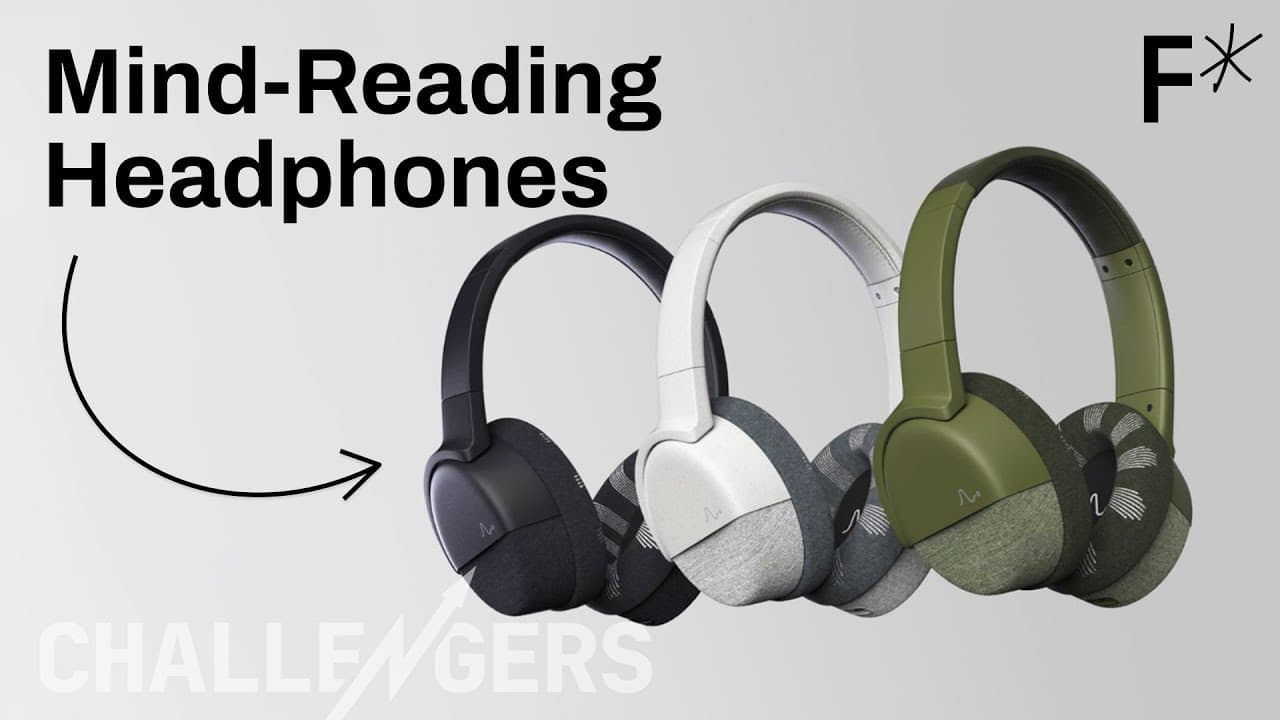
A company called Neurable has developed an "Everyday Brain-Computer Interface," making brain-computer interface technology fit into everyday devices like headphones.
-
The technology can interpret brain data to provide insights into productivity, focus, flow, and burnout, all while respecting privacy and data security.
Read in Other Languages (beta)
Share This Summary 📚
Summarize YouTube Videos and Get Video Transcripts with 1-Click
Try YouTube Summary with ChatGPT & Claude or YouTube Transcript Generator
Explore More Summaries from Freethink 📚






Summarize YouTube Videos and Get Video Transcripts with 1-Click
Try YouTube Summary with ChatGPT & Claude or YouTube Transcript Generator